Understanding the Brain’s Role in Eating Disorders
Research Insights on Brain Circuitry
Through genomic studies, brain imaging, and animal research models, scientists have identified the brain circuitry that may contribute to eating disorders. Notably, the neurobiological pathways of various psychiatric disorders, such as drug addiction and obsessive-compulsive disorder (OCD), show significant overlap with those of eating disorders. This enhanced understanding of the brain’s pathways—and insights from related psychiatric treatments—could pave the way for effective targeted therapies for eating disorders.
Focus on Binge Eating Disorder
This article will specifically address binge eating disorder (BED), although the broader discussion pertains to the traits and pathways shared among several addictions and other eating disorders.
What is Binge Eating Disorder?
Binge eating disorder (BED) is the most common eating disorder in the United States, affecting approximately 2-5% of adults, with a higher prevalence in women than men. A binge is characterized by the consumption of large quantities of food in a brief timeframe, often to the point of discomfort or pain. Individuals with BED engage in repeated episodes of uncontrollable eating, which can lead to distress or feelings of sickness.
BED can occur independently or alongside bulimia, where individuals may purge the food through self-induced vomiting, excessive exercise, or laxative use. The disorder is associated with various health risks, including:
– Depression
– Heart disease
– Tooth loss
– Diabetes
– Bone and joint injuries
– Obesity
Compulsivity in BED and Related Disorders
Binge eating disorder, drug addiction, and OCD share a critical characteristic: compulsivity. Those affected by BED often seek comfort in fulfilling their uncontrollable urges through the consumption of high-fat, high-sugar foods. Similarly, drug addiction compels individuals to seek substances to meet a compulsive need for physiological or emotional responses, or to avoid withdrawal symptoms. OCD manifests as a cycle of obsessive thoughts that lead to compulsive behaviors aimed at temporarily alleviating severe anxiety.
Current Treatments for Binge Eating Disorder
Cognitive behavioral therapy (CBT) is considered the primary treatment for BED. This therapeutic approach focuses on altering thoughts, behaviors, and feelings to foster a healthier lifestyle. For patients who do not respond to CBT, pharmaceutical options are available.
The Shared Brain Circuitry of Compulsivity
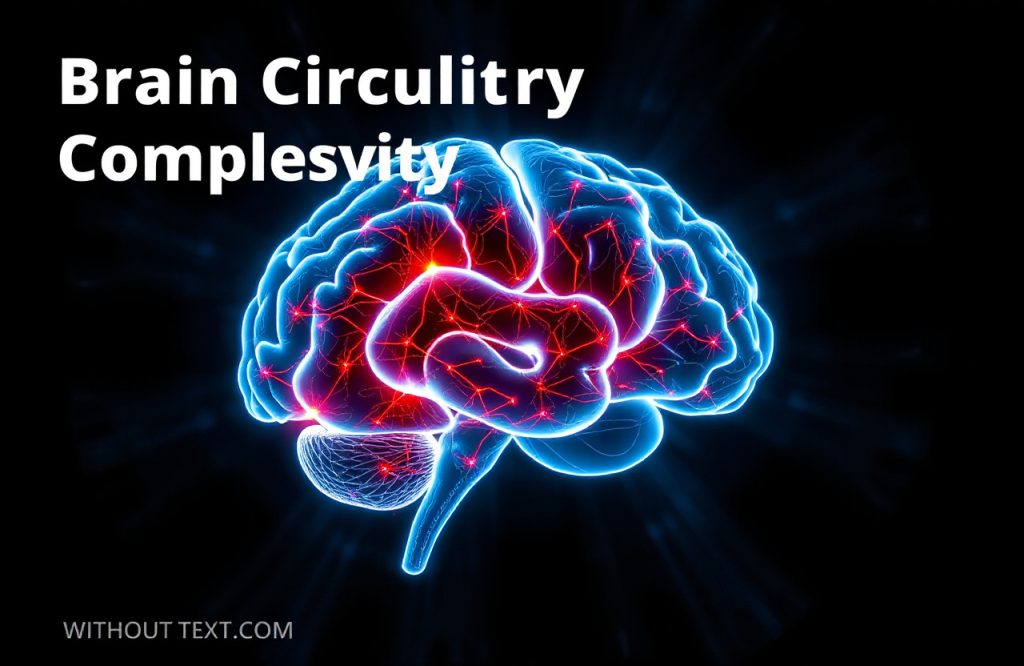
The mesolimbic pathway, a dopamine-rich area of the brain, plays a crucial role in compulsive behavior. This pathway includes the ventral tegmental area (VTA), which is involved in pleasure, and the nucleus accumbens (NAc), associated with movement and reward-related behaviors. These structures connect with the prefrontal cortex (PFC), insula, and amygdala, which are important for decision-making, habit formation, and emotional regulation.
Imbalances in neurotransmitters, particularly dopamine, along with structural deficits in this pathway, can lead to psychiatric disorders such as drug addiction and mood disorders. For instance, research involving mice has indicated that reduced function of the PFC to NAc circuit correlates with impulsivity and binge-like eating. However, researchers must be cautious about the limitations of mouse models, including differences in physiology between species and individual variability in human physiology. Additionally, the influence of psychosocial factors on eating disorders must be acknowledged.
Towards New Treatment Strategies
While ongoing research is essential for a deeper understanding of the brain circuitry related to compulsivity, the potential for managing eating disorders through targeted neural circuit manipulations provides hope for individuals facing limited treatment options.
References
Bulik CM, Coleman JRI, Hardaway JA, et al. Genetics and neurobiology of eating disorders. Nat Neurosci. 2022;25, 543–554. doi.org/10.1038/s41593-022-01071-z
Hutson PH, Balodis IM, Potenza MN. Binge-eating disorder: clinical and therapeutic advances. Pharmacol Ther. 2018;182:15-27. doi:10.1016/j.pharmthera.2017.08.002
Binge eating disorder. National Eating Disorders Association. Updated February 21, 2018. Accessed May 28, 2023. https://www.nationaleatingdisorders.org/learn/by-eating-disorder/bed
Schreiber LR, Odlaug BL, Grant JE. The overlap between binge eating disorder and substance use disorders: diagnosis and neurobiology. J Behav Addict. 2013;2(4):191-198. doi:10.1556/JBA.2.2013.015
Neziroglu F, Sandler J. The relationship between eating disorders and OCD part of the spectrum. International OCD Foundation. Updated June 29, 2022. Accessed May 28, 2023. https://iocdf.org/expert-opinions/expert-opinion-eating-disorders-and-ocd/
Crone C, Fochtmann LJ, Attia E, et al. The American Psychiatric Association practice guideline for the treatment of patients with eating disorders. American Journal of Psych. 2023;180(2):167-171. doi: 10.1176/appi.ajp.23180001