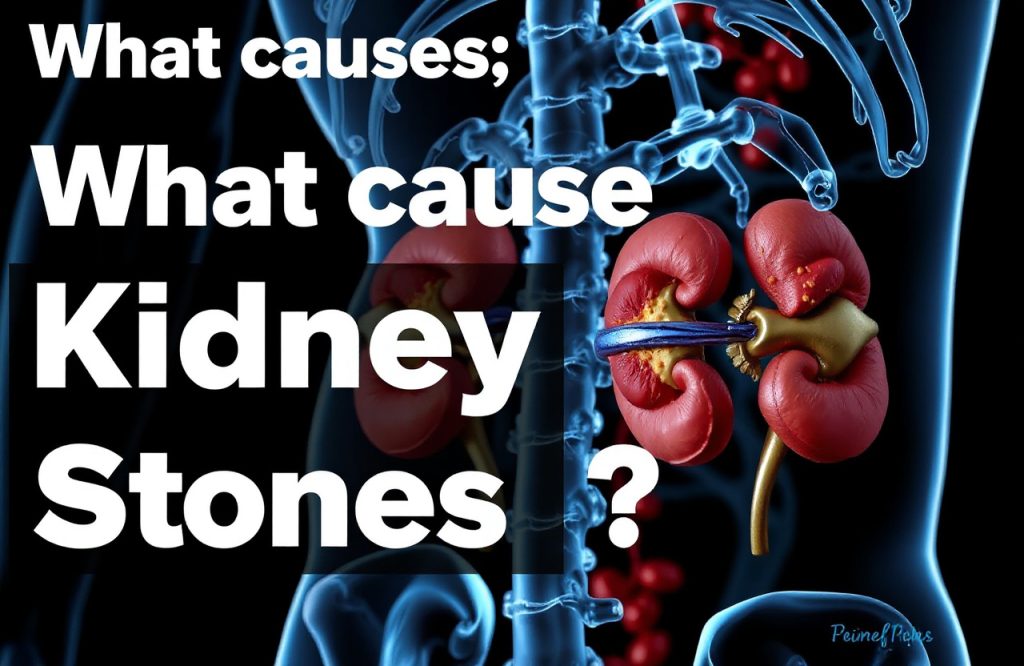
Understanding Kidney Stones
Composition and Types
Kidney stones are formed from insoluble salts that are typically dissolved in urine, including calcium, oxalate, uric acid, and cystine. There are several types of kidney stones, known as nephrolithiasis, with the most common being calcium oxalate, calcium phosphate, and uric acid stones. Small stones may pass through the urinary system without treatment, whereas larger stones can become lodged in the ureters, obstructing urine flow.
Symptoms
The symptoms of kidney stones can be quite severe and may include intense abdominal pain, blood in the urine, painful urination, increased frequency of urination, nausea, and vomiting. The incidence of kidney stones is on the rise globally; in the United States, approximately one in 11 people will experience kidney stones at least once in their lifetime.
Causes of Kidney Stones
Genetic and Environmental Factors
Kidney stones can develop due to a combination of genetic predispositions and environmental influences, and they can affect individuals of any age. Those with a family history of kidney stones or low fluid intake are at a heightened risk. Various dietary and urinary factors also contribute to stone formation.
Calcium Oxalate Stones
High levels of calcium in urine or insufficient calcium intake are significant risk factors for kidney stone formation. Calcium oxalate and calcium phosphate stones are prevalent among urinary tract stones. Dairy products and calcium supplements can mitigate the risk associated with low calcium consumption. Additionally, high oxalate levels in urine, stemming from a diet rich in oxalate-containing foods such as tea, spinach, and chocolate, can heighten the risk of calcium oxalate stones. To reduce endogenous oxalate production, individuals with elevated urinary oxalate should avoid high-dose vitamin C supplements. Increasing the intake of alkaline-rich fruits and vegetables may also help, as citrate acts as a natural stone inhibitor.
Urinary Tract Infections
Recurrent urinary tract infections (UTIs) can lead to struvite stones. The urease enzyme, produced by certain bacteria like Proteus mirabilis, converts urea into ammonia and carbon dioxide, raising urine alkalinity. This elevation in pH causes phosphate to precipitate, resulting in struvite stone formation. Surgery is often necessary for the treatment of struvite stones.
Uric Acid Stones
Uric acid stones can develop from a diet high in purines, particularly from animal protein consumption, which increases uric acid levels in urine. These stones are more common in men and form in acidic urine conditions. Increasing the intake of alkaline-rich foods can help prevent uric acid stone formation.
Environmental Influences
Living in hot and dry climates may contribute to kidney stone formation due to increased fluid loss from sweating. Predictions suggest that the incidence of kidney stones could rise from 40% to 56% by 2050 as a result of global warming.
Medical Conditions
Several medical conditions, such as obesity, diabetes, hypertension, chronic kidney disease, and cardiovascular issues, elevate the risk of developing kidney stones. Individuals who are overweight or consume high amounts of fructose are particularly susceptible.
Treatment and Prevention
A CT scan can confirm the presence of kidney stones. Treatment typically focuses on pain management, hydration, and the removal of stones through endoscopic procedures or extracorporeal shockwave lithotripsy, which utilizes sound waves to fragment the stones.
To prevent future occurrences, individuals should ensure adequate fluid intake, maintain a balanced diet, consider calcium and citrate supplements, and adopt a healthy lifestyle. It is advisable to consult a healthcare professional if experiencing symptoms of kidney stones.
References
Punnoose, A.R., Golub, R.M. and Lynm, C. (2012). Kidney stones. JAMA, 307(23), pp.2557-2557.
Romero, V., Akpinar, H. and Assimos, D.G. (2010). Kidney stones: a global picture of prevalence, incidence, and associated risk factors. Reviews in Urology, 12(2-3), pp.86-96.
Aggarwal, R., et al. (2017). Renal stones: a clinical review. EMJ Urol, 5(1), pp.98-103.
Alelign, T. and Petros, B. (2018). Kidney stone disease: an update on current concepts. Advances in Urology, 2018(3068365), pp.1-12.
Taylor, E.N., Stampfer, M.J. and Curhan, G.C. (2005). Obesity, weight gain, and the risk of kidney stones. Jama, 293(4), pp.455-462.
Fontenelle, L.F. and Sarti, T.D. (2019). Kidney stones: treatment and prevention. American Family Physician, 99(8), pp.490-496.
Gul, Z. and Monga, M. (2014). Medical and dietary therapy for kidney stone prevention. Korean Journal of Urology, 55(12), pp.775-779.