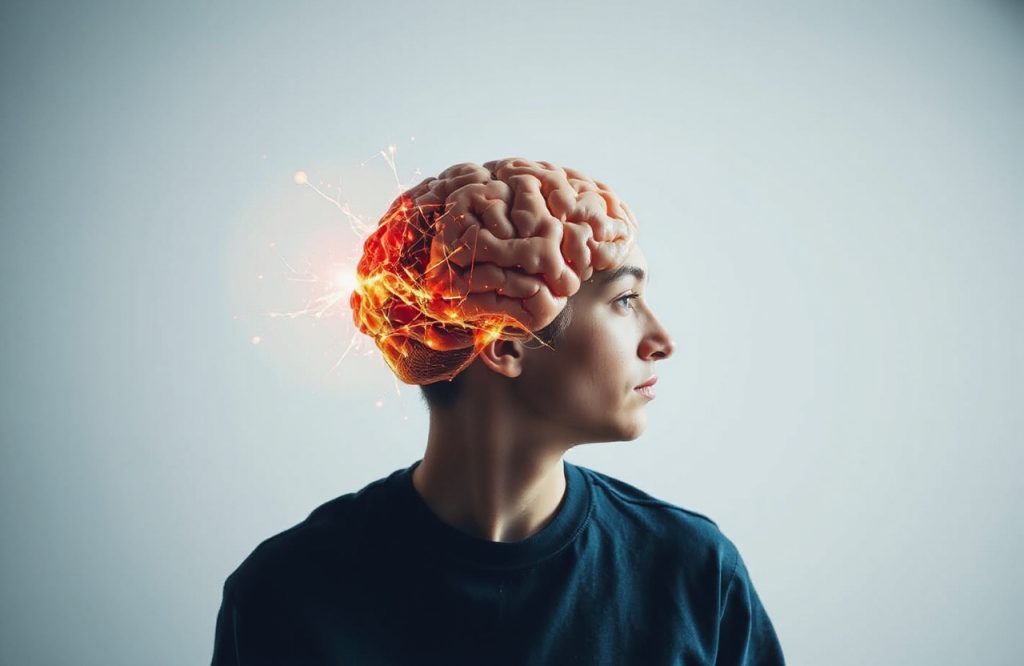
The Impact of Alcohol on Mental Health
Understanding Alcohol’s Role in Social Settings
Alcohol is often perceived as a facilitator of social interactions, relaxation, and a coping mechanism. However, its effects extend far beyond the temporary buzz, significantly influencing mental health. Many individuals consume alcohol unaware of its profound impact on brain function and emotional well-being. While moderate drinking may appear harmless, excessive consumption can lead to severe mental health issues, including anxiety, depression, and long-term cognitive decline. Recognizing these risks is essential for making informed choices regarding alcohol consumption.
How Alcohol Affects Brain Chemistry
Neurotransmitter Interference
Alcohol disrupts the balance of neurotransmitters, the brain’s chemical messengers. It increases gamma-aminobutyric acid (GABA), resulting in slowed brain activity and relaxation. Simultaneously, it reduces glutamate, a neurotransmitter associated with brain excitement, leading to sluggish thinking and impaired decision-making.
Dopamine Release and Dependency
Drinking stimulates dopamine release, creating temporary feelings of pleasure. However, this effect diminishes over time, creating a cycle where individuals drink to regain that initial enjoyment. Consequently, the brain adapts, producing less dopamine naturally, which fosters dependency on alcohol to achieve a sense of normalcy. These chemical changes elucidate why alcohol can be both addictive and mentally exhausting.
Alcohol and Anxiety: A Vicious Cycle
Alcohol as a Temporary Relief
Many individuals turn to alcohol to alleviate anxiety, but it often exacerbates the problem. Initially, alcohol numbs stress and promotes relaxation, but as it exits the system, rebound anxiety can occur, leading to increased anxiety levels.
Dependency and Escalation
For those with anxiety disorders, alcohol may become a coping mechanism, leading to a cycle of increased consumption. Over time, chronic use can rewire the brain, intensifying anxiety disorders. Early intervention is crucial, and many treatment centers offer financing options for alcohol rehabilitation, making professional help more accessible.
Depression and Alcohol: A Dangerous Combination
Mutual Reinforcement of Conditions
Alcohol and depression often fuel each other, as drinking can hinder the brain’s ability to regulate mood. While it may provide temporary relief, alcohol ultimately worsens depressive symptoms. Research indicates that alcohol use disorders frequently coexist with depression and anxiety, each condition intensifying the severity and duration of the others.
Impact on Neurotransmitters
Regular alcohol consumption disrupts serotonin and dopamine levels, both critical for maintaining happiness. This disruption explains why heavy drinkers frequently experience persistent low moods. Alcohol also impairs judgment, leading to impulsive behaviors. Addressing alcohol use is essential in managing depression, as sobriety can result in significant mood improvements.
Memory and Cognitive Decline
Short-Term and Long-Term Effects
Alcohol adversely affects memory and cognitive functions. In the short term, it disrupts the hippocampus, which is vital for forming new memories, often resulting in blackouts after heavy drinking.
Risks of Chronic Use
Long-term alcohol consumption is associated with brain shrinkage and lasting cognitive impairment. Studies indicate that chronic drinking heightens the risk of dementia and other neurodegenerative disorders, impairing the brain’s capacity to process information effectively. Reducing alcohol intake can enhance cognitive function, restoring focus and mental clarity.
Sleep Disruptions and Mental Fatigue
The Myth of Alcohol as a Sleep Aid
Many believe that alcohol aids sleep; however, it actually disrupts sleep patterns. While it may induce drowsiness, alcohol prevents deep sleep, leading to frequent awakenings and resulting in fatigue, poor concentration, and mood swings.
Consequences of Sleep Deficiency
Sleep deprivation is linked to increased risks of depression, suicide, and risky behavior. The body requires adequate rest to regulate emotions and restore brain function. When sleep is compromised by alcohol, emotional stability suffers, leading to chronic exhaustion. Reducing alcohol consumption can significantly improve sleep quality and overall mental health.
Impulse Control and Risky Behavior
Impact on Decision-Making
Alcohol reduces inhibitions, resulting in impulsive behavior. It weakens the prefrontal cortex, responsible for decision-making and self-control. This explains why individuals may engage in reckless actions, such as driving under the influence or engaging in unsafe sexual practices.
Long-Term Impairments
Chronic alcohol use further undermines impulse control, leading to repeated poor decisions that can strain relationships and create legal or financial issues. Reducing alcohol intake can help restore impulse control, enabling individuals to make safer choices.
Social Withdrawal and Isolation
Alcohol Dependency in Social Contexts
While alcohol is commonly associated with social gatherings, excessive drinking can lead to isolation. Individuals who depend on alcohol for confidence may find sober interactions challenging, leading to withdrawal from social circles.
Consequences of Isolation
As dependence increases, social connections often diminish. Heavy drinkers may experience broken relationships due to erratic behavior and mood swings, exacerbating feelings of depression and loneliness. Re-establishing social ties without alcohol is vital for recovery, and support groups and therapy can provide guidance in fostering healthier connections.
The Link Between Alcohol and Psychosis
Potential Triggers of Psychotic Episodes
Heavy drinking can induce episodes of psychosis, characterized by hallucinations, paranoia, and severe confusion. Prolonged alcohol use can lead to alcohol-induced psychotic disorder, which mimics schizophrenia.
Withdrawal and Mental Health Risks
Alcohol withdrawal can also result in hallucinations, making cessation potentially dangerous without medical supervision. For those with pre-existing mental health conditions, alcohol can exacerbate symptoms, complicating treatment. Seeking professional assistance is crucial, as medical detox and therapy can mitigate severe psychological consequences.
The Struggle to Quit: Understanding Addiction
Physical and Psychological Dependency
Alcohol addiction is characterized by both physical and psychological dependency. Regular use alters the brain, making cessation difficult due to withdrawal symptoms, which may include anxiety, nausea, tremors, and, in severe cases, seizures.
The Role of Emotional Dependency
Beyond physical aspects, emotional reliance on alcohol plays a significant role in addiction. Individuals often drink to cope with stress or social pressures, leading to feelings of loss without it, which increases the likelihood of relapse. Overcoming alcohol addiction requires structured support, including therapy, lifestyle changes, and strong social networks.
Benefits of Reducing Alcohol Consumption
Improvements in Mental Health
Decreasing alcohol intake yields significant mental health benefits. Within weeks of quitting, individuals may notice reduced anxiety, stabilized moods, and improved sleep quality.
Long-Term Sobriety and Quality of Life
Sustained sobriety lowers the risk of depression and other mental health disorders, enabling individuals to regain control over their thoughts and behaviors, ultimately enhancing relationships and quality of life. Early intervention facilitates recovery, allowing individuals to fully enjoy the benefits of an alcohol-free existence.
Conclusion
The effects of alcohol on mental health are extensive. While drinking may seem innocuous initially, it gradually disrupts brain chemistry, leading to anxiety, depression, memory loss, and impaired decision-making. The longer alcohol use persists, the more challenging it becomes to quit. However, recovery is attainable with appropriate support. Reducing alcohol consumption or seeking professional help can restore mental clarity, emotional stability, and overall well-being. Making informed choices regarding alcohol is vital for maintaining a healthy mind and a fulfilling life.