Impact of Body Image on Attention
Understanding Body Image
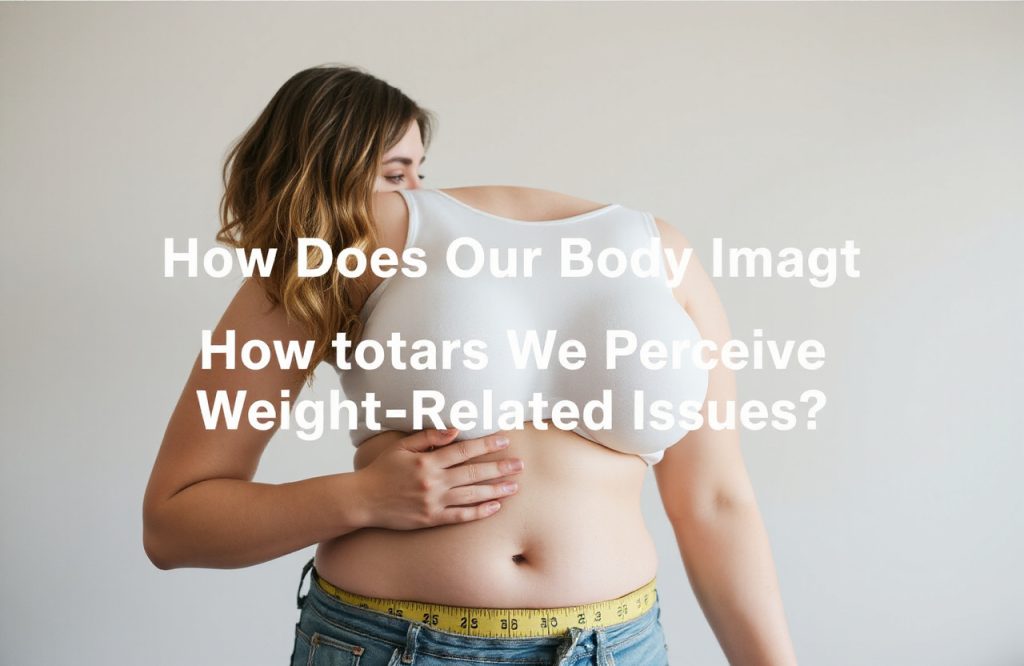
How we perceive ourselves can significantly influence our attention to the world around us. Recent research has examined whether young women with either a positive or negative body image exhibit differing levels of focus on weight-related terms. Body image plays a vital role in shaping an individual’s self-perception. Studies indicate that dissatisfaction with one’s body can lead to relationship challenges, early sexual experiences, self-harm, and suicidal thoughts. Furthermore, negative body image is associated with eating disorders, particularly among adolescent girls and women. In North America, approximately 72% of women report feeling some level of body dissatisfaction.
Previous Findings on Body Image and Attention
Earlier studies have demonstrated that women with poor body image process weight-related information differently than those with a positive body image. Gaining insight into these mental processes is crucial for understanding and addressing eating disorders. Research suggests that women dissatisfied with their body image may pay greater attention to weight-related information, potentially leading to negative emotions and a cycle of weight fixation. Moreover, exposure to images of thin models may exacerbate feelings of body dissatisfaction, contributing to this detrimental cycle.
Research Study on Attentional Biases
Study Objectives
Researchers at the University of Calgary conducted a study to explore the relationship between attentional biases and body satisfaction levels while assessing the effects of images featuring thin models. The primary goal was to determine how women with negative body images process weight-related information. The study aimed to clarify whether these women pay more attention to fat-related words and less to thin-related words compared to those with positive body images, or if they engage equally with both categories while showing less interest in neutral terms.
Information Processing Related to Weight
Previous research has yielded mixed results regarding how women with and without eating disorders process weight information. Some studies found that women with eating disorders focus more on fat-related content while neglecting thin-related terms, whereas others indicated that women dissatisfied with their body image pay greater attention to all weight-related words, both fat and thin, compared to neutral words. One explanation for these discrepancies could be that exposure to media images of thin models activates feelings of body dissatisfaction, leading researchers to expect greater attentional biases among women who have viewed such images.
Study Methodology
In this study, participants—consisting of women either satisfied or dissatisfied with their bodies—were presented with a series of words categorized as thin-related, fat-related, or neutral. They then viewed images of thin models before reevaluating their body image and satisfaction levels. Eye-tracking technology was employed to measure the time each participant spent focusing on different types of words. Researchers hypothesized that women with body dissatisfaction would show a greater decrease in body satisfaction after viewing the images and would exhibit more significant differences in attentional engagement with body-related words.
Findings of the Study
Effects of Thin Model Images on Body Satisfaction
The study confirmed that women with initial body dissatisfaction experienced a more pronounced decrease in body satisfaction after viewing images of thin models compared to their satisfied counterparts. In contrast, women who started with high levels of body satisfaction did not exhibit significant changes, affirming that these images effectively primed feelings of dissatisfaction among those with negative body images.
Attention to Weight-Related Words
However, the study did not support the hypothesis regarding attention to fat and thin-related words. Instead, it revealed that women with body dissatisfaction spent more time focusing on both fat and thin-related words compared to those satisfied with their bodies. This trend was evident even prior to viewing images of thin models, suggesting that these women did not require media priming to experience attentional biases. While the images influenced their feelings of dissatisfaction, they did not alter the degree of attention paid to weight-related information.
Implications for Eating Disorder Treatment
Understanding Attentional Biases
Recognizing how attentional biases function and how they relate to body image is essential for developing effective prevention strategies against eating disorders. These biases may serve as mechanisms for the manifestation of eating disorders in at-risk individuals. This research highlights the need for treatment approaches that address the reinforcement of poor body image through exposure to thin-related media.
Recommendations for Prevention Programs
The study indicates that prevention initiatives should focus on moderating the attention of at-risk women towards both fat and thin-related content, rather than exclusively targeting thin-related media. Furthermore, it suggests that future research could explore whether this phenomenon extends to other body-related terms beyond weight.
Conclusion
This research underscores the connection between body dissatisfaction and attentional biases, illustrating that women with negative self-images are more likely to focus on weight-related information. While exposure to thin models affects body satisfaction levels, the inherent attentional biases exist independently of such priming.
Reference
Tobin, Leah N., et al. “Attention to fat-and thin-related words in body-satisfied and body-dissatisfied women before and after thin model priming.” PloS one 13.2 (2018): e0192914.