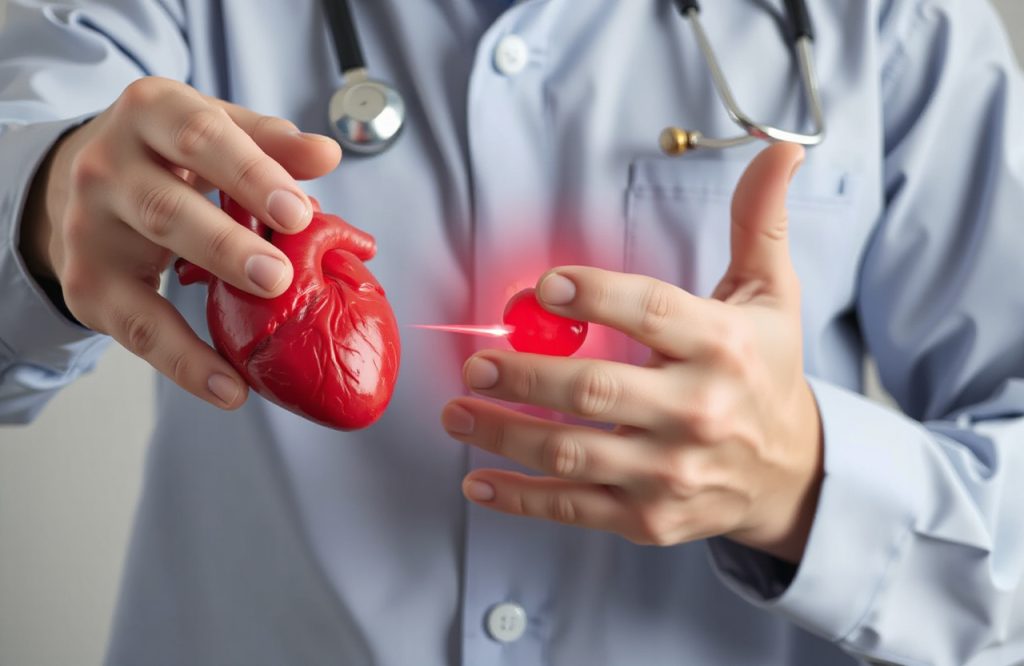
Stress and Heart Disease
Understanding the Connection
Research continues to explore the impact of stress on heart disease. Although the relationship remains complex, stress is known to influence behaviors and factors that heighten the risk of heart disease. These include elevated blood pressure and cholesterol levels, smoking, physical inactivity, and overeating.
Unhealthy Coping Mechanisms
Individuals facing chronic stress may resort to unhealthy habits such as excessive alcohol consumption or smoking as a means of coping. Unfortunately, these behaviors can exacerbate high blood pressure and potentially harm artery walls.
The Body’s Response to Stress
A stressful event triggers a series of physiological reactions. The body releases adrenaline, a hormone that accelerates heart rate and breathing while temporarily raising blood pressure. This response, commonly referred to as the “fight or flight” reaction, prepares the body to confront challenges.
Effects of Chronic Stress
When stress becomes persistent, the body may remain in a heightened state for extended periods, enduring days or weeks of increased physiological activity. While the precise link between stress and heart disease is not fully understood, chronic stress may lead some individuals to engage in behaviors such as heavy drinking, which can elevate blood pressure and contribute to arterial damage.
Contact Information
If you have questions or need further assistance, please reach out to us.
Call Back Request
First Name*
Surname*
Phone*
Email*
We are available Monday to Thursday from 9 AM to 3 PM and Friday from 9 AM to 1 PM. Please note that we will be closed from Tuesday, December 23rd at 11 AM and will reopen on Monday, January 5th, 2026 at 9 AM.
Please indicate the best time for us to call:*
Query*
Phone
This field is for validation purposes and should be left unchanged.