Understanding VO2 Max
What Is VO2 Max?
VO2 max, or maximal oxygen uptake, is a crucial metric for assessing aerobic fitness and overall health. It measures how effectively your body utilizes oxygen during vigorous exercise and serves as a predictor of cardiovascular health and athletic performance. Typically, VO2 max decreases with age, but genetics also play a significant role in establishing baseline levels and their changes over time. This article delves into the variations of VO2 max across different ages, the genetic factors that influence it, and its broader health implications.
How VO2 Max Changes with Age
Age-Related Decline of VO2 Max
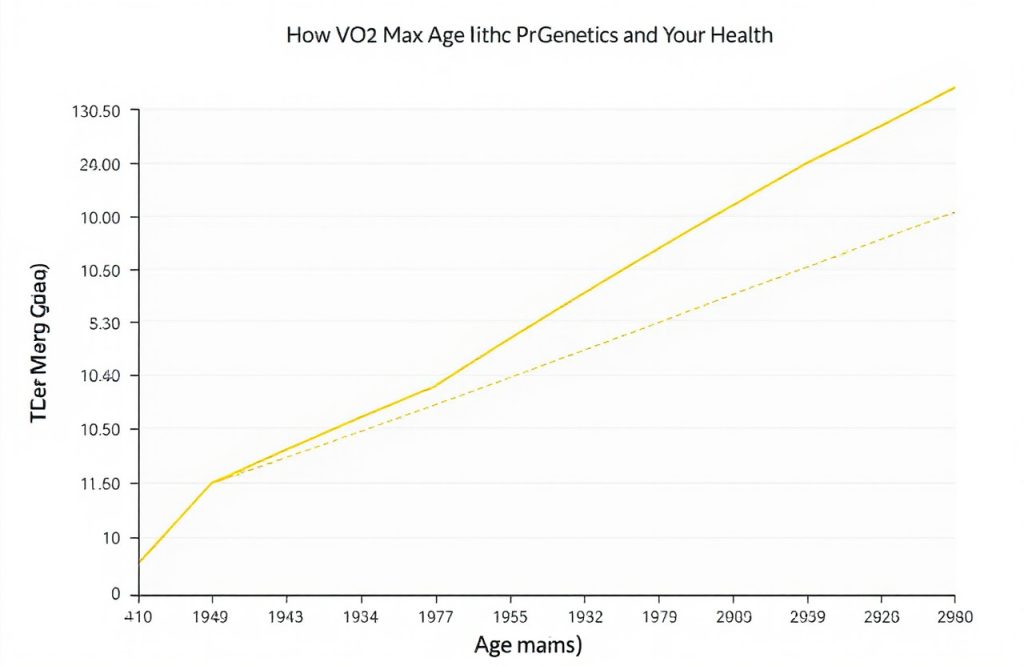
As individuals age, a natural decline in VO2 max occurs. This process usually begins in the late 20s or early 30s, accelerating after the age of 50, with an average decrease of approximately 1% per year. Contributing factors include reduced muscle mass, diminished cardiovascular efficiency, and lifestyle changes. Knowing the average VO2 max by age can help establish realistic fitness goals and monitor cardiovascular health, although the decline rate varies based on genetics, activity levels, and overall health.
The Role of Genetics in VO2 Max
Genetic Factors Affecting VO2 Max
While age significantly impacts VO2 max, genetics largely determines the potential for improvement or maintenance of aerobic fitness. Various genetic variations associated with oxygen transport, muscle function, and cardiovascular performance significantly influence VO2 max. Notable genes, such as ACE and ACTN3, are linked to endurance performance and oxygen uptake efficiency.
Heritability of VO2 Max
Research indicates that genetics account for about 50% of the variation in VO2 max among individuals. This suggests that your genetic makeup influences your potential for aerobic fitness and the extent of improvement achievable through training. Those with favorable genetic profiles may naturally possess higher VO2 max levels and respond more effectively to endurance training.
How VO2 Max Impacts Your Health
Cardiovascular Health
VO2 max serves as a strong indicator of cardiovascular health. Elevated levels correlate with a reduced risk of heart disease, hypertension, and stroke. Regularly monitoring VO2 max can aid in assessing risk for these conditions and inform preventive measures.
Longevity and Aging
Research links VO2 max with longevity, indicating that individuals with higher aerobic fitness levels tend to live longer and enjoy better quality of life in their later years. Consistent exercise aimed at maintaining or enhancing VO2 max can mitigate age-related decline and lower the risk of chronic diseases.
Factors Influencing VO2 Max Beyond Genetics
Physical Activity and Training
While genetics establish a baseline for VO2 max, engaging in regular physical activity can significantly enhance it. Endurance exercises like running, cycling, and swimming are especially effective, and even those with lower genetic predispositions can achieve high VO2 max levels through dedicated training.
Lifestyle Choices
Lifestyle factors such as diet, sleep, and stress management also play a crucial role in influencing VO2 max. A nutrient-rich diet supports energy metabolism, while sufficient sleep aids recovery and cardiovascular health. Effectively managing stress can prevent negative effects on heart function and physical performance.
Strategies to Improve VO2 Max
Endurance Training
Endurance activities are among the most effective for improving VO2 max. Long-distance running, cycling, and swimming enhance the heart’s efficiency and oxygen transport capabilities over time. Gradually increasing the intensity and duration of these workouts is essential for sustained improvement.
High-Intensity Interval Training (HIIT)
HIIT involves alternating between short bursts of intense activity and recovery or low-intensity periods. This training approach can quickly enhance VO2 max by challenging both cardiovascular and muscular systems, even in shorter workout durations.
Strength Training
Incorporating strength training into your routine complements endurance exercises by improving muscle function and energy efficiency. Maintaining muscle mass supports better oxygen uptake and utilization.
Monitoring VO2 Max Over Time
Tracking Progress
Regularly tracking VO2 max allows for measuring the effectiveness of your fitness regimen and identifying areas for improvement. Advanced wearable technology now facilitates estimating VO2 max, with devices like fitness trackers and smartwatches providing accessible metrics to monitor progress.
Interpreting Age-Related Declines
Understanding VO2 max changes with age can help set attainable fitness goals. While a decline is a natural process, consistent effort can slow this rate, leading to improved health outcomes as one ages.
The Connection Between Genetics and Adaptability
Individual Variations in Training Response
Responses to training programs vary among individuals due to genetic factors. For instance, certain ACE gene variants may lead to greater endurance gains, while others may experience minimal improvements despite similar training efforts.
Importance of Personalized Plans
Genetic testing can reveal insights into your potential for VO2 max improvement. Tailoring a training program based on your genetic profile can help maximize results by focusing on methods that align with your natural abilities.
The Broader Health Implications
Preventing Chronic Diseases
A higher VO2 max is associated with a lower risk of chronic conditions, including diabetes, obesity, and cardiovascular diseases. It reflects an efficient oxygen transport system critical for overall metabolic health.
Supporting Mental Health
Aerobic fitness positively influences mental health, enhancing mood, reducing stress, and improving cognitive function. Maintaining a healthy VO2 max supports these benefits, particularly in later years.
Conclusion
VO2 max is a vital measure of health, fitness, and longevity. While genetics significantly shape your baseline VO2 max and training potential, lifestyle choices and consistent exercise also play a crucial role in determining aerobic fitness levels. By understanding how age and genetics influence VO2 max, you can create a personalized fitness plan to enhance your health and quality of life. Monitoring progress, adopting tailored training methods, and maintaining a healthy lifestyle can help achieve and sustain a higher VO2 max for years to come.