Understanding Lyme Disease Transmission
Concerns About Mosquitoes and Lyme Disease
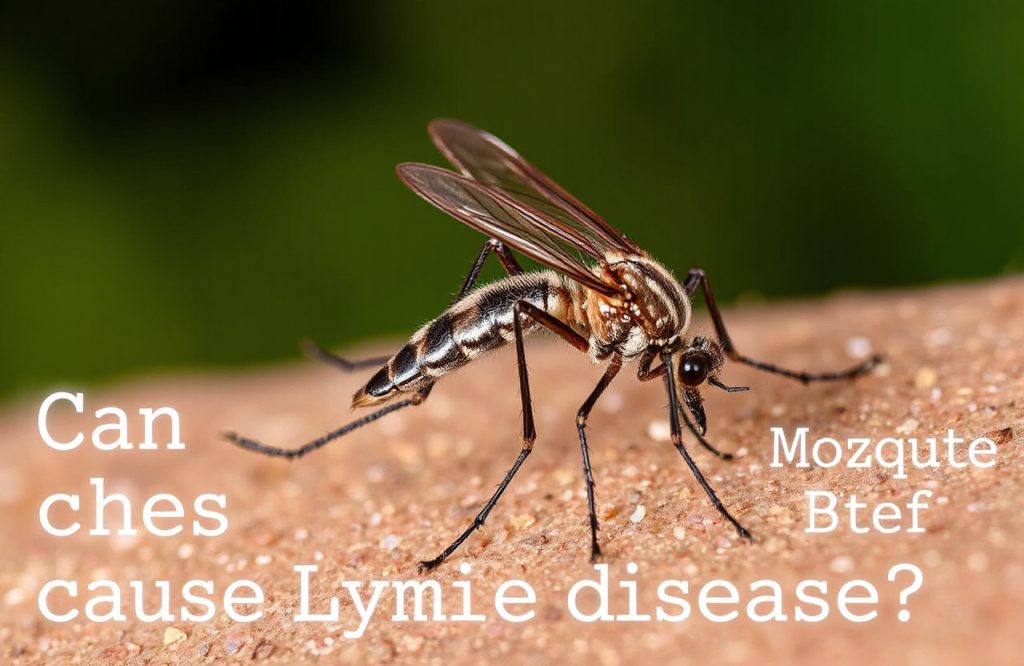
Concerns regarding the transmission of Lyme disease by mosquitoes and other bloodsucking insects have persisted since the onset of the Lyme epidemic. This concern is understandable, given that various diseases, such as malaria and Zika fever, are easily spread by mosquitoes. However, according to the Centers for Disease Control and Prevention (CDC), mosquitoes do not transmit Lyme disease. The disease is exclusively transmitted through the bite of an infected tick.
Tick Species Responsible for Lyme Disease
Deer ticks, also known as black-legged ticks, harbor the bacteria Borrelia burgdorferi, the causative agent of Lyme disease.
Why Lyme Disease Isn’t Transmitted by Mosquitoes
Lyme disease is primarily spread through the bites of nymphs, which are immature ticks that are difficult to see due to their small size, comparable to that of a pinhead (less than 2 mm). Nymphs acquire the bacteria by feeding on small rodents, such as mice, that are infected with Borrelia burgdorferi. These ticks are most active during the spring and summer months, often attaching to hidden areas of the body, such as the groin, armpits, and scalp. For the bacteria to be transmitted, the tick must remain attached for at least 36 to 48 hours.
In addition to nymphs, adult ticks can also spread Lyme disease. Though larger in size (about the size of a sesame seed), they are easier to spot and can often be removed before transmission occurs. Adult black-legged ticks are typically active during winter. Despite some reports of mosquitoes being carriers of Borrelia burgdorferi, they do not transmit Lyme disease.
Identifying the Risk of Lyme Disease
Geographic Distribution of Lyme Disease
Lyme disease is most prevalent in the United States, particularly in regions where black-legged ticks are common, including:
– Northeast and Mid-Atlantic (Virginia to Maine)
– West Coast (especially northern California)
– North Central States (Wisconsin and Minnesota)
Ticks carrying Lyme bacteria can be active year-round, although they are more prevalent in spring and summer. Individuals who work outdoors or engage in outdoor activities, such as gardening and hiking, are at a higher risk for tick bites. It’s important to note that only a small percentage of ticks are infected with the Lyme disease-causing bacteria, and being bitten does not guarantee infection. However, it is advisable to consult a physician if you experience illness after a tick bite.
Symptoms Following a Tick Bite
Symptoms of Lyme disease may surface within 3 to 30 days after a tick bite, varying based on the duration of the infection in the body. Some individuals may not exhibit symptoms until months later.
Early Symptoms
Initial symptoms within the first few weeks may include:
– Erythema migrans (EM) rash at the tick bite site, appearing in approximately 80% of infected individuals. This rash may appear as:
– A round or oval shape with a clear central ring resembling a “bullseye”
– Warm to the touch
– Scaly or crusty along the edges
– Initially small but may expand to 12 inches or more
– Low-grade fever and chills
– Headaches
– Muscle and joint pain
– Fatigue
If left untreated, Lyme disease can spread to other body parts, causing:
– Rashes in areas beyond the tick bite
– Heart complications, including irregular heartbeat
– Mood changes
– Memory issues
– Neck stiffness
– Joint pain
– Eye problems, such as inflammation
Later Symptoms
If untreated for months to years, Lyme disease symptoms may persist and worsen, leading to neurological symptoms like numbness, tingling, pain, cognitive impairment, and arthritis characterized by red, swollen, and painful joints.
Treatment for Lyme Disease
Antibiotic Treatment
In the early stages of Lyme disease, healthcare providers typically prescribe a 10 to 14-day course of antibiotics, which effectively clears the infection for most patients. It is crucial to complete the prescribed medication to prevent potential complications involving the joints, heart, and nervous system.
Late-stage Lyme disease is also treated with antibiotics, and intravenous antibiotics may be necessary for severe cases, such as refractory arthritis or neurological issues. Some patients may experience a temporary worsening of symptoms during antibiotic treatment, referred to as the Herxheimer reaction. This occurs due to the release of endotoxins from dying bacteria, prompting a sudden immune response that can result in symptoms like:
– Nausea and gastrointestinal distress
– Extreme fatigue
– Severe body pain
– Worsening of previous symptoms
– Intense headaches
Posttreatment Lyme Disease Syndrome (PTLDS)
Posttreatment Lyme Disease Syndrome is characterized by lingering fatigue, joint or muscle pain, and cognitive dysfunction lasting six months or more. Research indicates that even extended antibiotic treatment may not eliminate all Lyme bacteria, leading to a resurgence of symptoms and possible severe neurological issues.
Currently, there is no established treatment for PTLDS, though symptoms may gradually subside over time. To alleviate lingering symptoms and support immune function, pulsed electromagnetic field therapy (PEMF) is being explored as a noninvasive option.
PEMF Therapy for Lyme Disease
How PEMF Therapy Works
PEMF therapy utilizes low-level electromagnetic radiation to address chronic Lyme disease symptoms. It emits infrared rays that enhance circulatory, endocrine, neurological, and lymphatic functions.
The therapy facilitates electrical changes at the cellular level, promoting healing across the body. By sending electromagnetic waves into the body, PEMF therapy helps restore the normal state of electrical current, fostering overall wellness. Clinical studies have demonstrated PEMF’s effectiveness in reducing inflammation, improving circulation, and alleviating pain.
Conclusion
Current evidence does not support the notion that mosquitoes can transmit Lyme disease. It is essential to recognize that not every tick bite leads to Lyme disease, as the bacteria require hours to transfer. To mitigate the risk of tick bites, individuals should take preventative measures when venturing into tick-prone areas, such as wearing protective clothing and showering after outdoor activities. If illness or a rash develops following exposure to ticks, consult a healthcare provider promptly.