Understanding the Impact of Alcohol on Migraines
The Connection Between Alcohol and Migraines
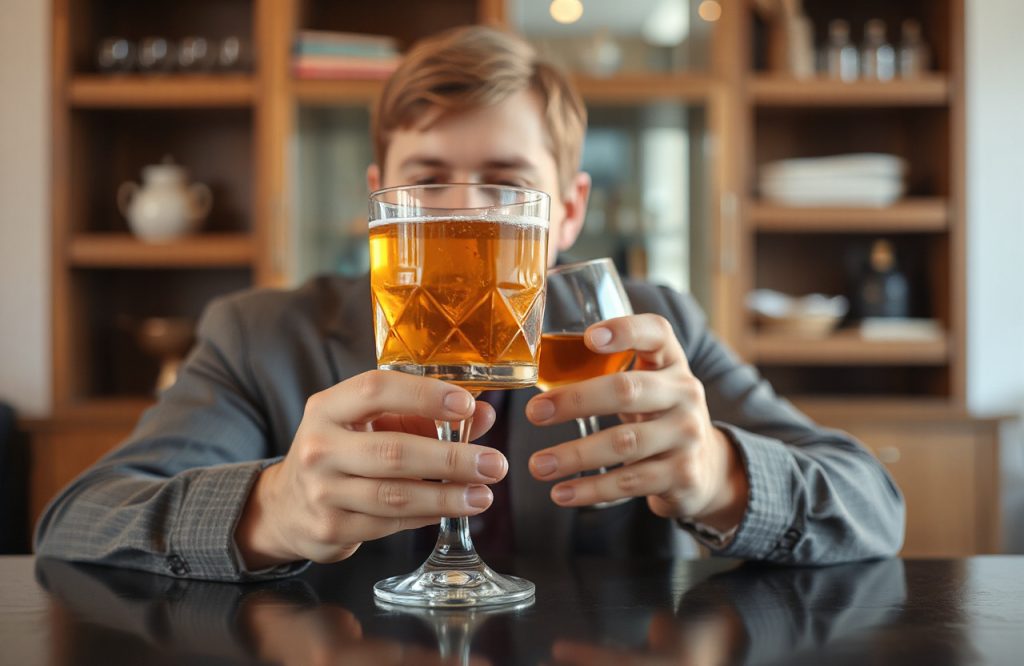
Many individuals who suffer from migraines are aware that alcohol can potentially trigger these painful episodes. A recent large-scale study has specifically examined the frequency with which alcohol, and red wine in particular, serves as a migraine trigger.
What Is a Migraine?
A migraine is characterized by a severe throbbing or pulsing sensation, typically localized to one side of the head. Accompanying symptoms may include visual disturbances known as aura, which can manifest as flashes of light or wavy vision. During a migraine attack, individuals often experience nausea and heightened sensitivity to light and sound. The frequency and severity of migraines can vary greatly among sufferers, with symptoms typically lasting from four hours to four days.
What Causes Migraines?
Migraines are classified as idiopathic, indicating that their exact causes remain unclear. Factors that may contribute to migraines include genetic predisposition, chemical imbalances, and alterations in the brain stem. Women may experience an increased risk of migraines due to hormonal changes during pregnancy or menopause.
Environmental triggers for migraines can also be significant. These may include specific foods, alcohol, sensory stimuli like bright lights, intense physical exertion, fluctuations in sleep patterns or barometric pressure, and certain medications such as oral contraceptives and vasodilators. Given the debilitating nature of migraine pain, identifying personal triggers is crucial for prevention.
Alcohol Consumption and Its Role as a Trigger
A Recent Study on Alcohol and Migraines
A study conducted by researchers in Scandinavia, published in the European Journal of Neurology, explored the relationship between alcohol consumption and migraines. The study involved Dutch adults aged 18 to 80 who experience migraines, with or without aura. Among the 2,197 participants, 35.6% identified alcohol as a migraine trigger, leading over 25% to abstain from alcohol altogether.
Interestingly, while 77.8% of participants acknowledged that red wine could trigger migraines for some individuals, only 8.8% reported that red wine specifically triggered a migraine during the study. For these participants, migraines typically occurred within 3 to 10 hours after consuming red wine.
Implications for Migraine Sufferers
Socializing can be challenging for individuals prone to migraines, especially when alcoholic beverages are involved. Those who experience migraines often consume less alcohol, particularly red wine. However, current evidence does not support the idea that red wine is a more significant trigger than other types of alcohol.
Factors such as the quantity and quality of alcohol consumed also play crucial roles. Therefore, it is advisable for individuals who suffer from migraines to maintain an alcohol consumption journal. This journal should detail what was consumed, the amounts, any resulting headaches or migraines, and the timing of their onset. Such documentation can be invaluable when discussing drinking habits with a healthcare professional.
Conclusion
Understanding the relationship between alcohol and migraines can help individuals make informed choices about their consumption. By tracking their alcohol intake and its effects, migraine sufferers can better manage their condition and minimize the risk of triggering painful episodes.
Written by Debra A. Kellen, PhD
References: Onderwater, W. et al. (2018). Alcoholic beverages as trigger factor and the effect on alcohol consumption behavior in patients with migraine. European Journal of Neurology, 0, 1-8.