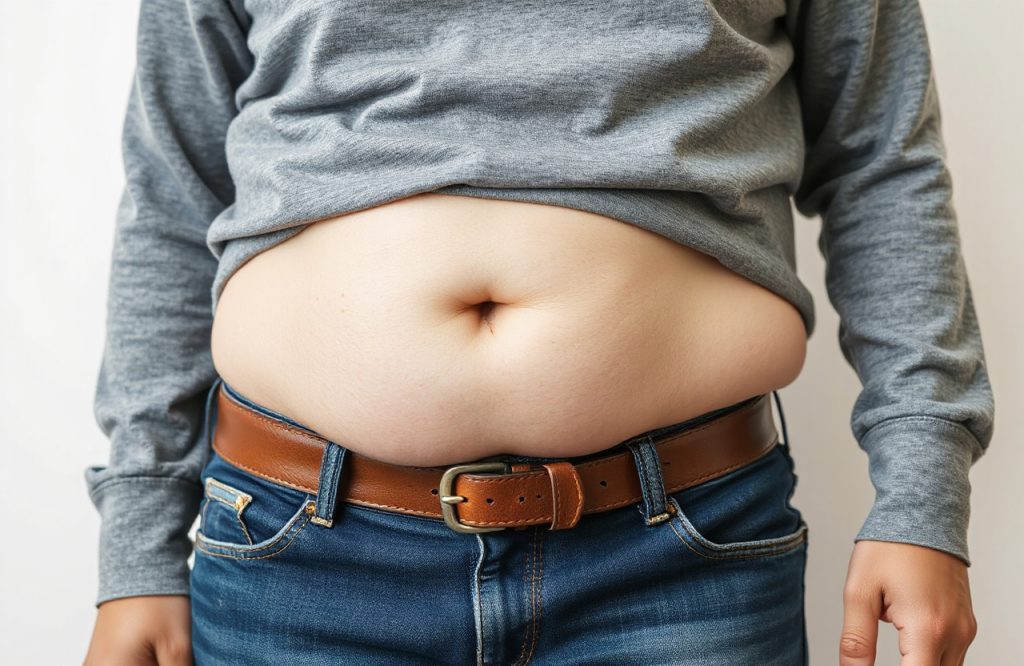
Investigating the Link Between Body Mass Index and Mortality
Overview of the 2017 Study
In a study conducted in 2017, researchers explored the connection between body mass index (BMI) and mortality risk. The findings indicated that both underweight and overweight or obese BMI scores elevate the risk of death from any cause when compared to those with BMI scores ranging from 22.5 to 24.9 kg/m².
Conflicting Findings in BMI and Mortality Research
Research examining the association between BMI—the ratio of an individual’s weight in kilograms to their height in meters squared—and mortality has produced inconsistent results. These discrepancies may stem from limitations within study designs, such as the exclusion of individuals with pre-existing health conditions and the timing of BMI measurements, which may have been taken around the time of death rather than over an extended period. Additionally, factors related to the study population, such as smoking status, can influence results. Although smoking is known to increase mortality risk, smokers often exhibit lower BMIs, complicating the analysis.
Research Methodology
The 2017 study, published in the *Annals of Internal Medicine*, utilized data from several long-term studies: the Nurses’ Health Study (NHS) from 1976 to 1992 involving 121,700 female nurses aged 30-55, the NHS II from 1989 to 2005 with 116,686 female nurses aged 25-42, and the Health Professionals Follow-up Study (HPFS) conducted from 1986 to 2002 among 51,529 male health professionals aged 40-75.
During these studies, height and weight measurements were recorded initially, while weight was self-reported biennially thereafter, allowing for analysis over a maximum span of 16 years. The researchers considered various factors, including race (white or non-white), family history of cardiovascular disease (CVD) and cancer, smoking status, and alcohol consumption.
Exclusions in the Study Analysis
For the analysis, participants who were classified as severely morbidly obese (BMI greater than 60 kg/m²), severely underweight (BMI below 12.5 kg/m²), or those lacking age or weight information were excluded. Additionally, pregnant individuals and those who did not complete at least two questionnaires during the study period were also omitted from the analysis.