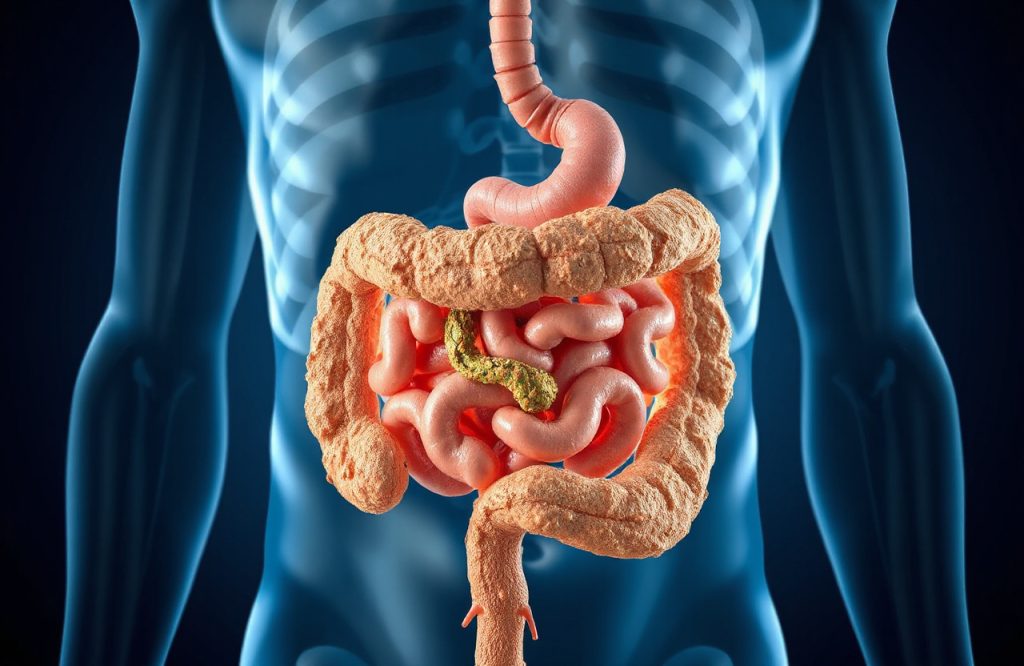
Understanding Inflammatory Bowel Diseases
Overview of Inflammatory Bowel Diseases
Inflammatory bowel diseases (IBD), which include Crohn’s disease and ulcerative colitis, are chronic conditions characterized by relapsing and remitting symptoms. These diseases are believed to have multifactorial causes, involving various environmental and genetic factors.
Trends in Incidence and Prevalence
Recent observations indicate a rising incidence and prevalence of IBD, particularly in developed countries. This trend suggests a significant environmental component may be involved in the onset and progression of these diseases.
Environmental Factors Impacting IBD
Recent Review Insights
A recent review published in JAMA Pediatrics by Dr. Shouval and Dr. Rufo, affiliated with medical institutions in Israel and the United States, highlights the environmental factors influencing IBD.
Lifestyle Influences
Certain lifestyle choices can adversely affect the diversity of microorganisms in the gastrointestinal tract. Factors such as smoking, diets high in saturated fatty acids and red meat, exposure to air pollution, and early-life antibiotic use have been associated with a reduction in microbial diversity. This decrease is closely linked to the development of IBD.
Impact of Early Life Events
Early life experiences, including the method of delivery and breastfeeding practices, also seem to significantly influence the development and severity of IBD. Research indicates that the delivery method can affect the microbial diversity in the fetus’s gastrointestinal tract, which in turn impacts intestinal immune cell development later in life. Additionally, breastfeeding has been identified as a protective factor against the onset of IBD.
Conclusion: The Multifactorial Nature of IBD
The review concludes that IBD is the result of a combination of environmental and genetic factors. While numerous changes in lifestyle over recent decades have generally improved health and prosperity, some of these same changes have increased susceptibility to diseases like IBD. It is essential for healthcare professionals and policymakers to recognize the environmental factors associated with inflammatory bowel diseases to enhance the management and treatment of these conditions.
Reference
Shouval, D. S. & Rufo, P.A. (2017). The role of environmental factors in the pathogenesis of inflammatory bowel diseases: A review. JAMA Pediatrics. doi:10.1001/jamapediatrics.2017.2571