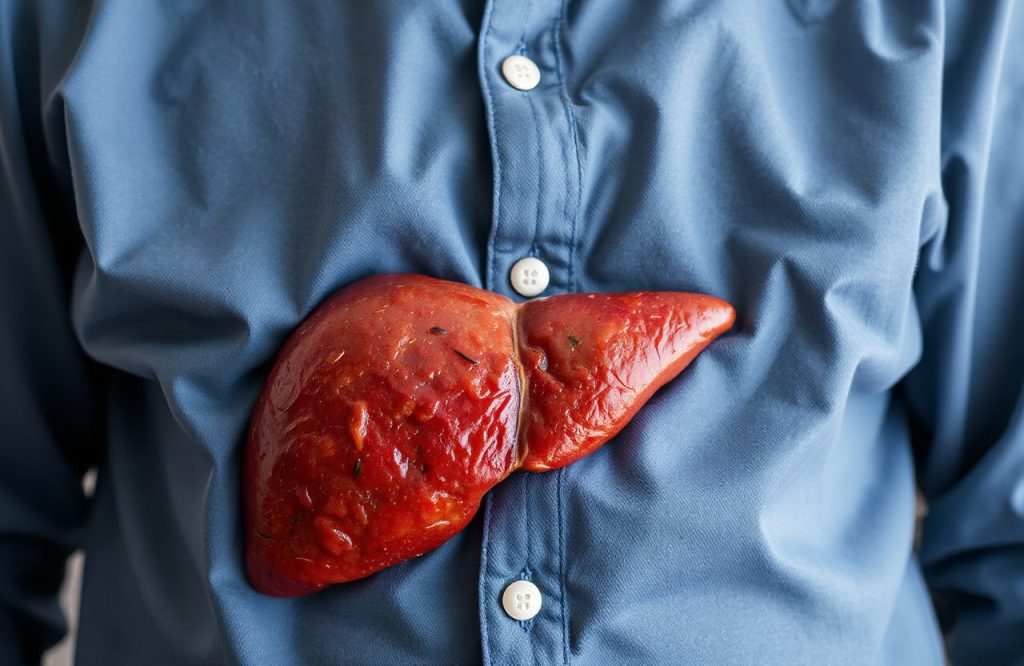
Liver Disease and Its Impact in the UK
Overview of Liver Disease
Liver disease is a leading contributor to premature mortality in the United Kingdom. The Lancet Commission on Liver Disease has recently underscored the substantial financial burden that liver disease imposes on the national healthcare system and businesses, while also proposing strategies to alleviate these challenges.
Increased Risks for Younger Populations
The adverse effects of liver disease are rising, particularly among UK citizens under the age of 65, with a pronounced impact on those from lower socioeconomic backgrounds. Addressing the three primary causes of liver disease—alcohol misuse, obesity, and viral hepatitis—can help reverse this trend.
Key Causes of Liver Disease
Alcohol Misuse
Alcohol abuse is a significant factor contributing to various health issues, accounting for 60% of all liver disease cases and 84% of liver-related fatalities in the UK. The financial implications of alcohol misuse are staggering, with hospitals bearing £3.5 billion in costs for treatment in 2009/10 and crime prevention expenses reaching £13 billion annually. Additionally, workplace productivity suffers due to health-related issues, costing £7.3 billion each year.
Estimates suggest that the financial burden of alcohol-related problems could reach £17 billion over the next five years. Effective solutions focus on the accessibility, affordability, and social acceptance of alcohol. Strategies may include limiting trading hours, increasing the cost of alcohol, and implementing stricter regulations on alcohol marketing and advertising.
Obesity
The prevalence of obesity is rapidly escalating in the UK, with 63% of adults classified as obese or overweight in 2015. This trend correlates with a growing number of cases of non-alcoholic fatty liver disease in both adults and children. The financial strain from obesity on healthcare, social care, workplaces, and welfare systems is significant. Projections indicate that obesity-related healthcare costs could increase by £1.9-2 billion annually, while businesses may incur losses of £14 billion by 2035.
Recommended interventions include banning junk food advertisements on television before 9 PM to reduce children’s exposure to unhealthy food marketing, implementing food taxes alongside the existing Soft Drinks Levy, and regulating promotional pricing for unhealthy foods and beverages. Additionally, offering weight-loss surgery to obese individuals with diabetes is suggested.
Viral Hepatitis
Viral hepatitis, specifically Hepatitis B and C, poses a severe risk of liver disease, with an increasing incidence in the UK. Current estimates suggest that between 216,000 and 446,000 individuals may be infected with Hepatitis C, with a similar number affected by Hepatitis B. Unfortunately, the UK’s progress in detection and treatment lags behind that of other countries.
Enhancing access to testing, facilitating early diagnosis, and ensuring appropriate treatment are critical steps. Addressing these issues could result in savings of approximately £3.2 billion over the next 30 years through effective treatment of those infected with Hepatitis C.
Call for Government Action
In light of the ineffectiveness of voluntary agreements to mitigate the growing financial impact of liver disease, the authors of the Lancet Commission report urge the government to implement mandatory regulations based on their recommendations. These measures are expected to not only decrease the prevalence of liver disease but also positively influence overall health and well-being, thus further alleviating the financial burden on society.
Written by Natasha Tetlow, PhD
The Foundation for Liver Research.
Financial case for action on liver disease: Escalating costs of alcohol misuse, obesity, and viral hepatitis. Lancet Commission on Liver Disease, 2017. Available at: http://www.liver-research.org.uk/liverresearch-assets/financialcaseforactiononliverdiseasepaper.pdf