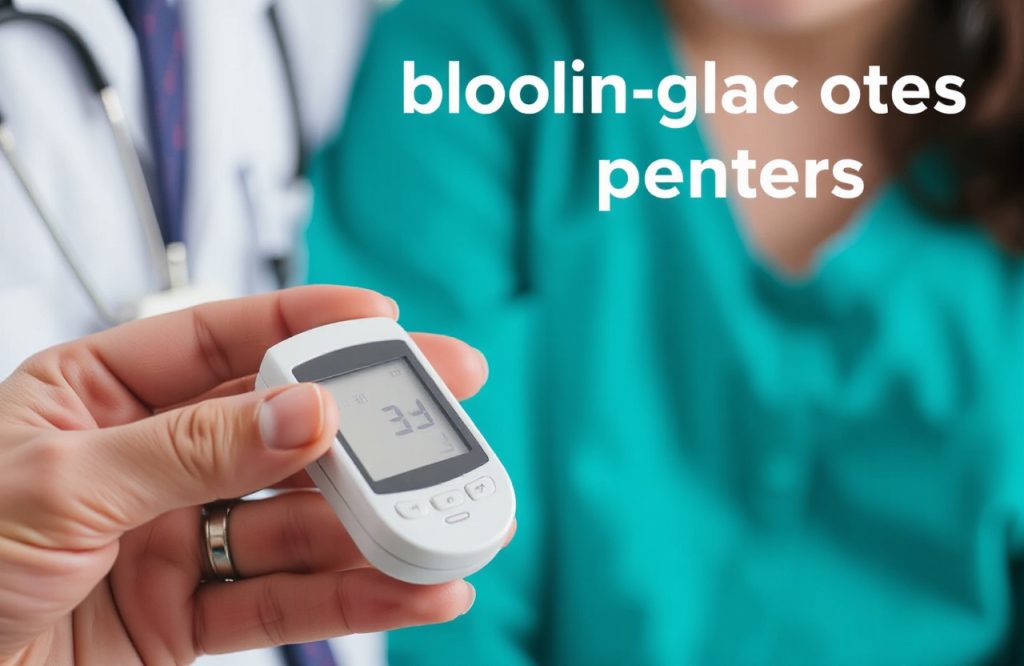
Traditional Blood Glucose Monitors Versus Continuous Glucose Monitors
Understanding Blood Glucose Monitors
Hyperglycemia, or elevated blood sugar levels, poses a significant risk for individuals with type 1 and type 2 diabetes. If not properly managed, high blood sugar can lead to serious health complications, including cardiovascular disease, nerve damage, and kidney damage. Furthermore, hyperglycemia can precipitate ketoacidosis, a life-threatening condition that may result in diabetic coma and potentially sudden death if not addressed promptly.
To mitigate these risks, it is crucial for individuals at risk of hyperglycemia to take proactive measures in managing their glucose levels. Healthcare providers typically recommend a combination of lifestyle modifications, such as regular physical activity, a balanced diet, and appropriate medications. Additionally, the use of glucose monitors is advised for routine monitoring of blood sugar levels.
Traditional Finger Prick Versus Continuous Glucose Monitors
The market offers various glucose monitoring devices, each with distinct advantages and disadvantages. Traditional blood glucose monitors require a finger prick to obtain a blood sample, providing a snapshot of glucose levels at a specific moment. While these devices are generally accurate, they only deliver a single reading.
On the other hand, continuous glucose monitors (CGMs) have gained popularity in recent years due to their ability to provide real-time glucose monitoring around the clock. These devices offer valuable insights into how factors such as food intake, exercise, and daily activities influence glucose levels. This continuous data empowers patients to make informed lifestyle choices and develop effective strategies for managing their blood sugar.
However, one limitation of CGMs is that they do not directly measure glucose in the blood; therefore, their accuracy must be periodically confirmed using traditional blood glucose monitors.
How Blood Glucose Monitors Function
While glucose monitoring devices vary in design, they operate on similar principles. Glucose reacts with the enzyme glucose oxidase, resulting in the production of chemical by-products, some of which generate electrons that create an electrical current. This electrical signal is captured and converted into a digital display. The concentration of glucose in the sample correlates with the strength of the electrical current; thus, a higher glucose level results in a stronger current and a correspondingly higher reading.
Traditional blood glucose monitors utilize a blood sample from the patient, yielding relatively accurate glucose readings. However, obtaining a new blood sample for each reading can limit the frequency of measurements throughout the day. In contrast, continuous glucose monitors employ a small sensor implanted beneath the skin. This sensor, coated with the glucose oxidase enzyme, interacts with glucose in the interstitial fluid—the fluid surrounding cells. Although CGMs provide continuous glucose level measurements, they do not reflect blood glucose levels directly.
Both traditional and continuous glucose monitors are essential tools for individuals with diabetes. They offer critical information that aids patients in managing their glucose levels and making necessary lifestyle adjustments.
References
– National Institute of Diabetes and Digestive and Kidney Diseases
– John Mastrototaro. The MiniMed Continuous Glucose Monitoring System
– HealthLinkBC
– Image by Vicki Nunn from Pixabay