Understanding Myocardial Infarction and Its Risk Factors
Global Impact of Heart Attacks
According to estimates by the World Health Organization (WHO), approximately 6 million individuals experience a myocardial infarction, commonly referred to as a heart attack, each year. Alarmingly, 25% of these cases result in death. This statistic has prompted the global medical community to intensify efforts in identifying risk factors associated with heart attacks.
Recognizing Heart Attack Symptoms
Television dramatizations often depict heart attacks with actors clutching their chests and collapsing. The symptoms of chest pain and dizziness stem from a blockage of blood flow to the heart, which can lead to tissue death. However, less commonly known symptoms include anxiety, nausea, and vomiting.
The Controversy of Alcohol Consumption and Heart Attack Risk
Conflicting Research Findings
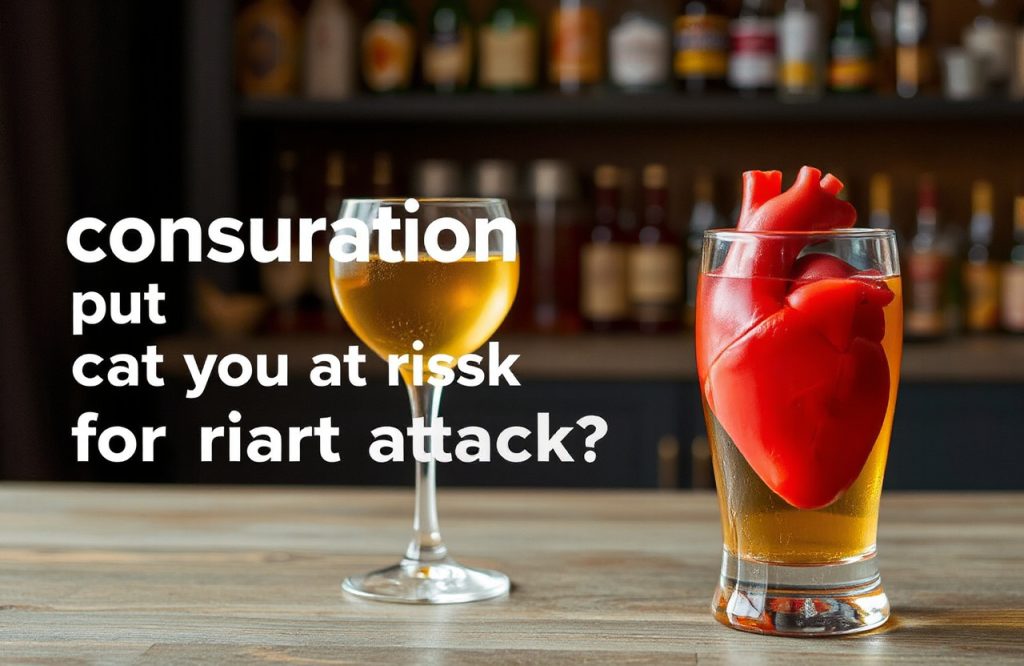
The relationship between alcohol consumption and the risk of a heart attack remains a contentious topic, with various researchers presenting competing evidence. Current epidemiological studies suggest that moderate alcohol consumption may provide some benefits. This raises the question: Does alcohol also heighten the risk of heart attacks, and if so, to what extent?
Heart Attack Mortality Rates in Serbia
The rising mortality rates from heart attacks in Serbia are of particular concern. In Eastern Europe, where Serbia is located, heart attack mortality rates have been increasing, contrasting with the declining rates observed in North America and parts of Western and Northern Europe.
Research Study on Alcohol Consumption in Serbia
Study Overview
In 2010, researchers in Kragujevac, Serbia, aimed to clarify the relationship between alcohol consumption and acute heart attack risk. Their findings were published in PLOS Medicine. The study utilized a hospital-based case-control design, comparing heart attack patients with individuals admitted for unrelated health issues.
Healthcare Framework in Serbia
Serbia’s healthcare system is universal and comprises three levels of care: primary, secondary, and tertiary, similar to systems found in Canada and the United Kingdom. The study included 374 participants, with 187 diagnosed with a heart attack and 187 control participants.
Methodology of the Study
Control participants were randomly selected from patients admitted to the Orthopedic Surgery and Traumatology clinic at the same healthcare facility as the heart attack patients. Both groups underwent one to two-hour interviews conducted by physicians to evaluate their alcohol consumption and drinking behaviors.
Matching Participants for Accuracy
To enhance the accuracy of the findings, researchers matched participants based on various characteristics, including occupation, education level, marital status, and other socioeconomic factors relevant to heart attack risk. The study also aimed to assess the impact of binge drinking on heart attack risk.
Defining Binge Drinking
In Serbia, a standard alcoholic beverage contains 13 grams of pure alcohol. Researchers categorized binge drinking as consuming five or more standard drinks per day for men and four or more for women.
Findings on Binge Drinking and Heart Attack Risk
Comparative Analysis of Binge Drinking Episodes
The study revealed significant findings regarding binge drinking habits between the two groups. Approximately 25.1% of heart attack patients reported regular binge drinking episodes at least once a month, compared to 12.8% of control participants. This indicates that patients admitted for heart attacks were twice as likely to engage in binge drinking.
Demographic Insights
The demographic most affected by binge drinking in Serbia consisted of older males living in rural areas. The implications of this study aim to reduce heart attack risk among this population and encourage healthier drinking practices.
Conclusions and Recommendations
The Importance of Moderation
While excessive alcohol consumption can harm heart health, moderate drinking behaviors may mitigate the risk of heart-related conditions. A common adage supports this notion: “Everything is good in moderation.”
Reference
Illic, I., Ilic, S.G., Sipetic, B., & Ristic, B. (June 4, 2018). Myocardial infarction and alcohol consumption: A case-control study. Retrieved from PLOS Medicine.