Addiction and Its Impact on the Brain
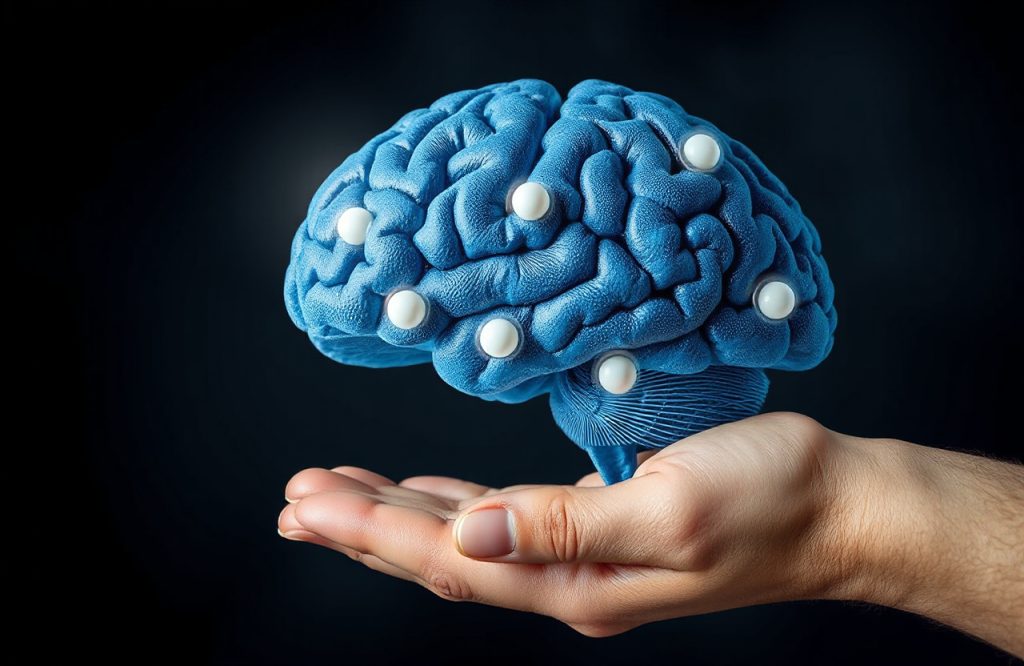
Addiction is a multifaceted condition that affects millions globally. Symptoms typically encompass compulsive drug use or behaviors, often disregarding the negative consequences. While addiction is frequently viewed through the lens of personal choices and behaviors, it is vital to recognize its significant effects on the brain. This article delves into how addiction alters brain function, highlighting the mechanisms that contribute to this chronic and relapsing disorder. Understanding these changes is critical for appreciating the importance of drug rehabilitation and comprehensive treatment strategies.
The Effects of Addiction on the Brain
Reward Pathway Disruption
Addiction primarily disrupts the brain’s reward pathway, or the mesolimbic pathway, which is responsible for dopamine release—a neurotransmitter linked to pleasure and reward. When an individual consumes drugs, particularly those that are highly addictive, it triggers a substantial release of dopamine, resulting in intense feelings of euphoria. However, with continuous drug use, the brain’s reward system becomes dysregulated. It adjusts to the influx of dopamine by decreasing its natural production of this neurotransmitter. Consequently, individuals may find that normal activities provide less pleasure and that they require higher doses of drugs to achieve the same euphoric effect. This phenomenon is known as tolerance and is a defining characteristic of addiction.
Brain Circuitry Changes
Long-term drug use can bring about alterations in the brain’s circuitry, especially in areas associated with decision-making, impulse control, and stress management. The prefrontal cortex, which governs executive functions, often becomes impaired in those with addiction. This impairment can result in poor judgment, difficulty controlling impulses, and reduced self-control. Additionally, the amygdala, responsible for processing emotions and stress responses, becomes hypersensitive, leading to intense drug cravings and prioritizing drug-seeking behaviors over other vital aspects of life.
Neurotransmitter Imbalances
Addiction disrupts the equilibrium of neurotransmitters in the brain, affecting mood, motivation, and cognitive functions. Drugs may either mimic or interfere with the normal functioning of neurotransmitters such as dopamine, serotonin, and norepinephrine. This disruption can lead to significant mood changes, including increased anxiety, depression, and anhedonia, the inability to experience pleasure. Furthermore, chronic drug use can result in deficiencies in certain neurotransmitters, prompting withdrawal symptoms when drug use ceases. Such imbalances often complicate efforts for individuals to quit drugs and maintain abstinence without appropriate treatment and support.
The Role of Drug Rehab
Drug rehabilitation is essential for addressing the brain changes associated with addiction. Here’s how:
Detoxification
The initial phase of many drug rehab programs involves medically supervised detoxification. This process allows the body to eliminate drugs safely while managing withdrawal symptoms. Detoxification stabilizes the individual physically and lays the groundwork for subsequent treatment phases.
Behavioral Therapies
Behavioral therapies are fundamental to drug rehab programs. These therapies aim to alter harmful behaviors and thought processes linked to addiction. They assist individuals in developing healthier coping mechanisms, enhancing decision-making skills, and improving impulse control. Moreover, behavioral therapies address underlying issues and co-occurring mental health disorders that may contribute to addiction.
Medication-Assisted Treatment
Medication-assisted treatment (MAT) combines behavioral therapies with medications that target specific brain receptors affected by addiction. Medications such as methadone, buprenorphine, or naltrexone help alleviate cravings, manage withdrawal symptoms, and restore neurotransmitter balance. MAT can be highly effective in supporting individuals throughout their recovery journey.
Holistic Approaches
Many drug rehab programs incorporate holistic approaches to enhance overall well-being. These may include physical fitness, mindfulness practices, art therapy, and support groups. Such complementary therapies address the physical, emotional, and spiritual dimensions of recovery, promoting a comprehensive healing process.
Conclusion
Addiction is a complex disorder that significantly impacts the brain by disrupting the reward pathway, altering brain circuitry, and causing neurotransmitter imbalances. Understanding the neurological changes linked to addiction emphasizes the importance of comprehensive drug rehab programs. These programs effectively address the underlying brain changes through detoxification, behavioral therapies, medication-assisted treatment, and holistic approaches. By focusing on healing both the brain and the individual as a whole, drug rehab programs provide hope and support for those seeking recovery from addiction.