Understanding the Impact of Air Pollution
Global Air Pollution Challenges
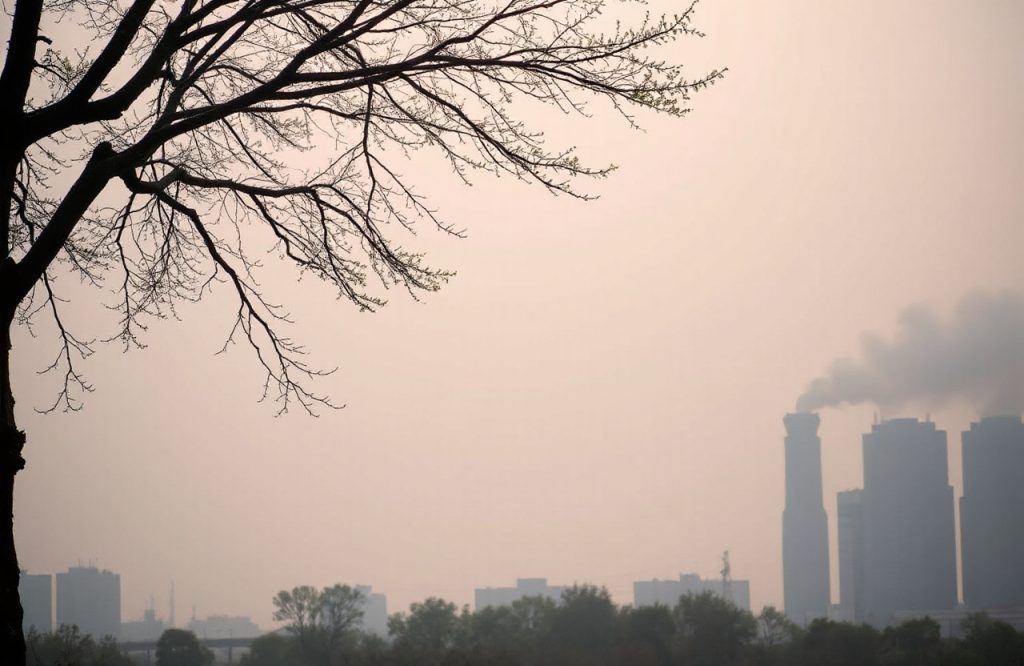
Air pollution is an escalating issue worldwide, driven by various industries that emit increasing volumes of carbon dioxide, methane, and other harmful pollutants. These emissions negatively impact climate change, air quality, and ecosystems. Beyond the well-known respiratory problems, air pollution poses broader threats to human health.
Air Pollution and Health
Research indicates that air pollution may contribute to numerous health concerns, including neurological disorders, cardiovascular diseases, strokes, and even adverse birth outcomes.
Neurological Health Risks
Potential Links to Neurological Disorders
Researchers are exploring the connection between air pollution and neurological disorders such as Alzheimer’s disease, dementia, Parkinson’s disease, and multiple sclerosis. These conditions represent significant health challenges, many of which currently lack effective treatments.
Canadian Study Findings
A study published in the journal Environmental Health investigated air pollution’s effects on brain health among 678,000 adults in Canada, aged 45 to 84, from 1994 to 1998. By examining proximity to major roads—key sources of air pollution—the study followed participants until 2003, assessing diagnoses for various neurological disorders. It found that living within 50 meters of a major road was associated with a higher risk of dementia, Parkinson’s disease, Alzheimer’s, and multiple sclerosis. The presence of green spaces appeared to mitigate these risks, as noted by lead author Weiran Yuchi, who emphasized the importance of urban planning in promoting access to green spaces to protect neurological health.
Cardiovascular Disease Implications
Air Pollution and Cardiovascular Health
Air pollution is well-documented as harmful to cardiovascular health. A significant study published in the British Medical Journal analyzed hospital admissions related to cardiovascular conditions and fine particulate air pollution. The research revealed that short-term exposure to fine particulate matter led to increased hospital admissions for various cardiovascular diseases, excluding hemorrhagic stroke, even at levels below regulatory limits.
Stroke Risk Analysis
Further investigations have indicated a correlation between long-term air pollution exposure and stroke incidence. A study in BMJ utilized satellite data to assess air pollution levels from 2000 to 2015. The results demonstrated a nearly linear relationship between prolonged exposure to air pollutants and stroke risk, suggesting that elevated pollution levels may significantly increase stroke likelihood.
Eye Health Concerns
Glaucoma and Air Pollution
Glaucoma, a leading cause of vision loss, is linked to increased intraocular pressure. Research published in Investigative Ophthalmology & Visual Science examined the relationship between air pollution exposure and glaucoma risk. Participants in polluted regions showed a higher propensity for developing glaucoma, and those with glaucoma exhibited thinner retinas correlated with pollution exposure. However, the study did not establish a direct connection between pollution and increased eye pressure, indicating the need for further investigation into the underlying mechanisms.
Effects on Birth Outcomes
Adverse Birth Outcomes and Pollution
The negative impact of air pollution on birth outcomes has been documented, though findings vary. A cohort study published in Environmental Research analyzed data from pregnant women and their live births, revealing that 7.5% were preterm and 5.7% had low birth weights, primarily attributed to sulfur dioxide levels in the air.
Children’s Health Risks
A comprehensive review by the Columbia Center for Children’s Environmental Health assessed 205 studies on the health impacts of fossil fuel combustion pollutants in children. Findings indicated that air pollution exposure during pregnancy was linked to cognitive and behavioral development issues, respiratory illnesses, and potential childhood cancers. Notably, exposure to fine particles was associated with thinner cortical regions in children, correlating with conditions like ADHD, low birth weight, and autism.
Associations with Breast Cancer
Investigating Breast Cancer Risks
Emerging research suggests a possible connection between air pollution and breast cancer. A Canadian study published in Environmental Epidemiology examined the correlation between fine particulate matter exposure and breast cancer incidence. The findings indicated a positive association, particularly in premenopausal women, with breast cancer risk increasing by 26% for every 10 µg/m³ rise in PM2.5 levels.
Conclusion
The studies reviewed underscore the multifaceted health risks associated with air pollution, from neurological and cardiovascular diseases to impacts on eye health, birth outcomes, and childhood development. Continued research is essential to better understand these relationships and to develop effective public health strategies to mitigate the risks associated with air pollution.