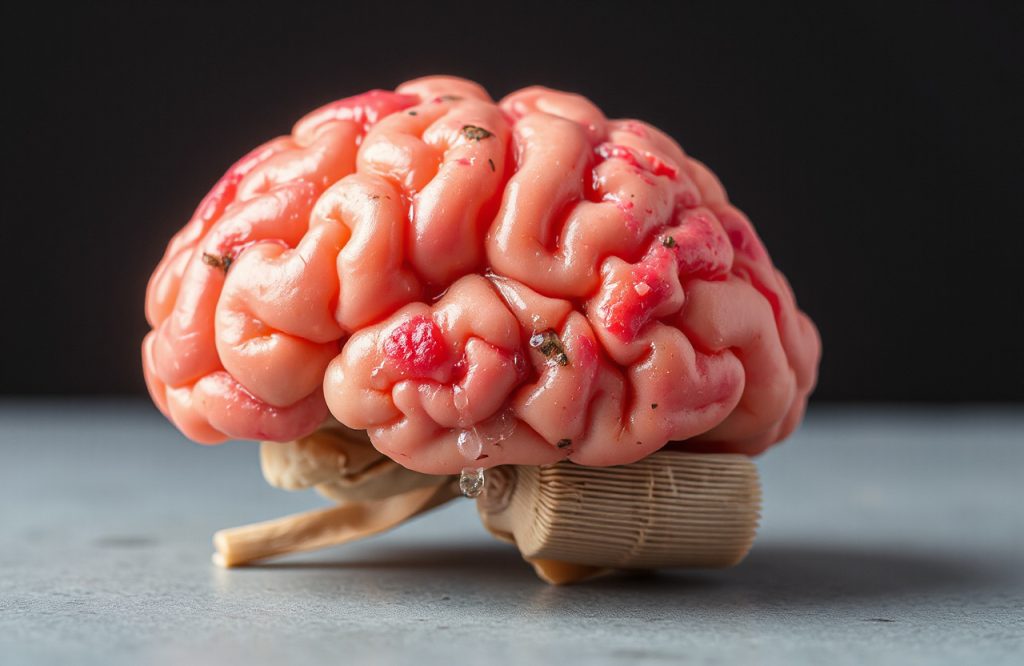
Impact of Dehydration on Cognitive Performance
Understanding Dehydration
Dehydration occurs when the body loses more fluids, primarily water, than it takes in, resulting in insufficient water for normal bodily functions. This condition typically arises from exercise, high temperatures, or illness. While the effects of dehydration on physical performance are well-documented, its impact on cognitive function is less understood.
Cognitive Function Defined
Cognitive function encompasses the brain’s processes for acquiring knowledge and understanding, including memory, reasoning, attention, and language. Cognitive performance refers to the brain’s ability to effectively use this acquired knowledge.
Thresholds of Dehydration and Cognitive Performance
The extent to which dehydration affects cognitive performance remains unclear, particularly regarding the percentage of body mass loss that leads to impairment. Previous research has yielded inconsistent results, although it is evident that varying levels of dehydration can impact cognitive function. For instance, soldiers in extreme environments may experience confusion and delirium due to dehydration, complicating their operational effectiveness. However, studies involving soldiers often account for additional factors like sleep deprivation and psychological stress.
Recent Research Findings
A recent review by American researchers aimed to clarify the relationship between dehydration and cognitive performance. They investigated the causes of dehydration and the levels at which cognitive task performance declines. Cognitive performance can be assessed through reaction time and accuracy in tasks involving decision-making, problem-solving, attention, memory, and coordination.
The review encompassed 413 participants across 33 studies, with dehydration levels ranging from 1% to 6% of body mass loss. Dehydration was induced through various methods, including exercise, heat exposure, and fluid restriction.
Disparities in Cognitive Performance Impairment
The results indicated a slight yet significant impairment in cognitive performance due to dehydration. However, not all cognitive functions were affected equally. Tasks requiring executive function, motor coordination, and attention showed greater impairment compared to those focused on reaction time. The reasons behind these varying effects on different brain regions remain unclear, though some areas may be more vulnerable to dehydration.
The researchers also noted that a body mass loss greater than 2% correlated with more pronounced cognitive performance impairment, suggesting a potential threshold similar to that identified for physical performance.
Study Limitations and Future Research
It is important to note that this study was a review of existing literature and does not provide insights into the mechanisms behind dehydration’s effects on specific cognitive tasks. Nevertheless, it offers valuable guidance for future investigations.
Conclusion
In summary, the review underscored that dehydration negatively impacts cognitive performance, particularly in tasks requiring coordination and attention. Despite the variations in research methodology and results, the correlation between higher levels of dehydration and greater cognitive impairment is evident. This highlights the importance of maintaining adequate hydration for optimal cognitive function.
Written by Lacey Hizartzidis, PhD
Reference: Wittbrodt MT, Millard-Stafford M. Dehydration Impairs Cognitive Performance: A Meta-analysis. Med Sci Sports Exerc. 2018 Jul 10. doi:10.1249/MSS.0000000000001682.