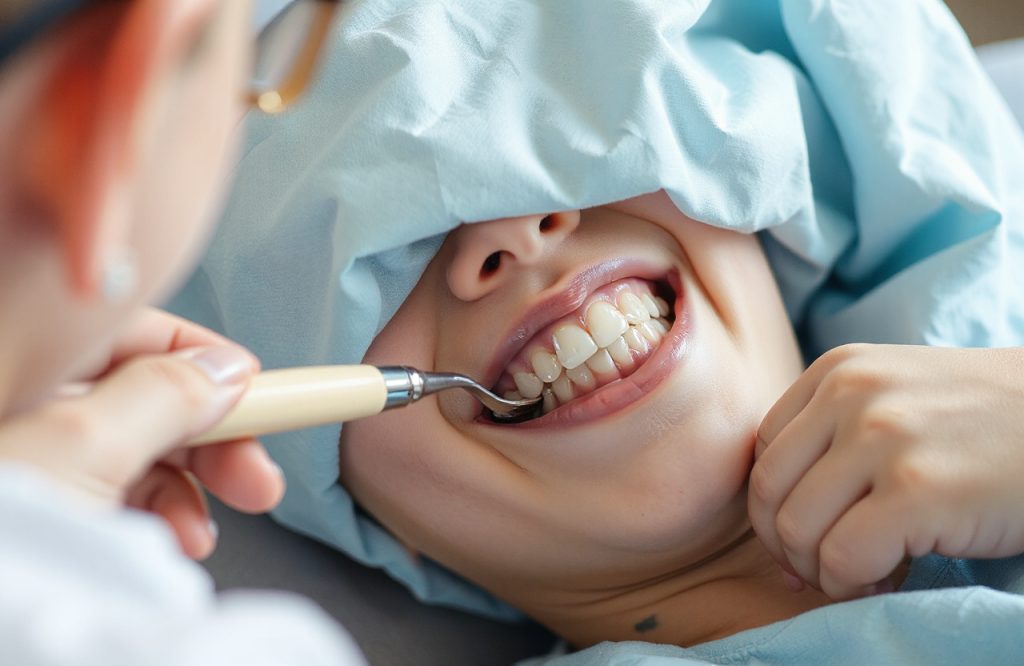
Research on Dietary Habits and Sleep Teeth Grinding as Predictors of Tooth Wear
Understanding Tooth Wear
Tooth wear is commonly defined as the reduction or loss of tooth substance. It can occur due to three primary causes: attrition, abrasion, and erosion. Research indicates that as children age, the incidence of tooth wear tends to increase.
– **Attrition** occurs when teeth grind against each other, often due to bruxism or teeth grinding.
– **Abrasion** results from external factors that physically scrape away tooth substance, such as aggressive brushing or nail-biting.
– **Erosion** involves the wear of teeth due to acids from food and beverages, including sodas and citrus fruits.
Study Overview
A recent study conducted by researchers in Colombia sought to determine the relationship between dietary habits and parent-reported sleep teeth grinding (STG) as predictors of tooth wear. The findings were published in the journal BMC Oral Health. The study involved 121 children from a pediatric dentistry program in Medellin, Colombia, where researchers assessed tooth wear using three specialized dental instruments.
To gauge sleep teeth grinding, parents completed a comprehensive 35-item questionnaire focusing on their children’s sleep habits. Additionally, dietary habits were evaluated through the Health Behaviour in School-Aged Children Food-Frequency Questionnaire, which was administered to the parents.
Findings on Tooth Wear Associations
The study revealed a mild association between increased tooth wear and the consumption of milk products, sweets, fruits, and vegetables. However, the correlation between dietary habits and tooth wear was considered relatively weak. Furthermore, a positive relationship between parental-reported sleep teeth grinding and tooth wear was noted for specific teeth, though this association was also weak.
These findings diverge from previous research on tooth wear and sleep teeth grinding in children, suggesting that the factors contributing to tooth wear are complex and multifaceted.
Implications of the Study
The results of this research carry significant implications, as they pave the way for further investigation into the acceptability of recognizing tooth wear as a definitive indicator of teeth grinding. The study highlights the need for additional research to identify the various factors implicated in tooth wear.
Reference
Restrepo, C., Manfredini, D., Manrique, R., & Lobbezoo, F. (2017). Association of dietary habits and parental reported sleep teeth grinding with tooth wear in children with mixed dentition, BMC Oral Health 17(156), 1–9. https://doi.org/10.1186/s12903-017-0447-5