Study on Sleep Quality in Chronic Tension-Type Headache
Overview of Tension-Type Headaches
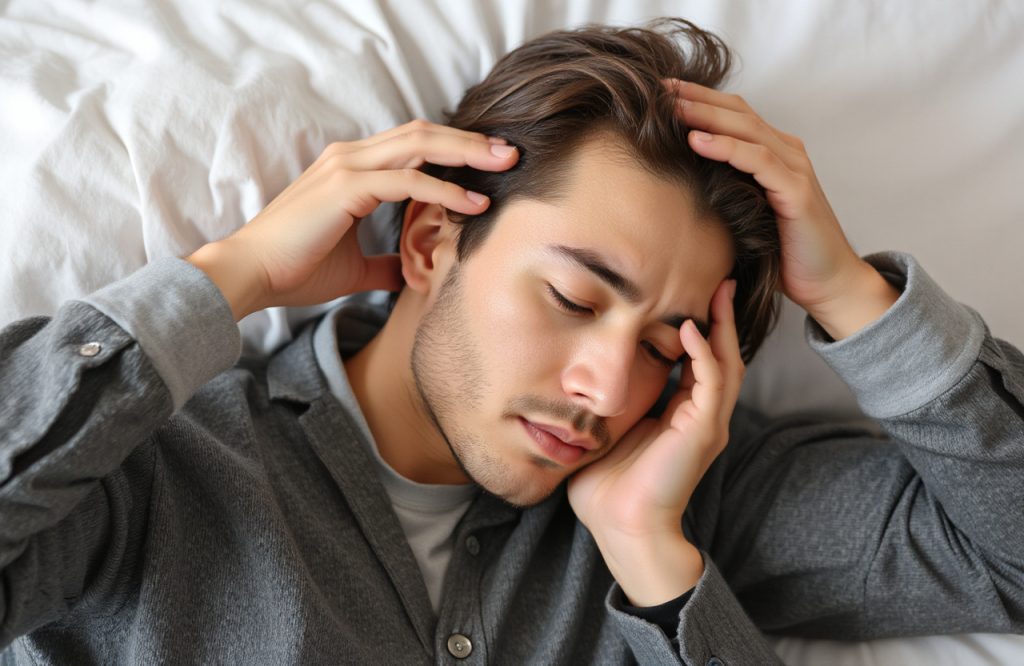
A recent study investigated the factors influencing sleep quality in patients suffering from chronic tension-type headaches. This condition is prevalent in approximately 42% of the global population and is characterized by pain around the forehead, often described as having a “vice-like grip,” and discomfort in the back of the neck. While tension-type headaches are typically episodic and can be managed with over-the-counter medications, some individuals experience chronic headaches that occur with varying intensity for more than 15 days each month, leading to significant disability.
Link Between Sleep Quality and Tension-Type Headaches
The etiology of tension-type headaches is believed to stem from a complex interplay of various factors, with poor sleep quality noted as both a cause and a consequence. A recent study conducted in Spain aimed to identify the factors that impact sleep quality in patients with chronic tension-type headaches. The findings were published in PLOS One.
Research Methodology
As part of an international headache research initiative, the study recruited patients from several university-based hospitals between January 2015 and June 2016. Initially, patients maintained a four-week headache diary to document the frequency and quality of their headaches. Additionally, they completed standardized questionnaires that assessed sleep quality, headache burden, disability, anxiety, depression, health-related quality of life, and pressure pain thresholds in various body regions.
Findings on Sleep Quality Correlates
The study evaluated a total of 180 patients with chronic tension-type headaches, with 135 patients reassessed after 12 months. Statistical analysis revealed significant correlations between sleep quality and several factors at the study’s outset, including headache intensity, frequency, duration, emotional and physical burden, and depression. Notably, depression and the emotional impact of headaches accounted for 27.5% of the variance in sleep quality at baseline.
After a year, the analysis indicated that sleep quality remained significantly associated with headache burden, depression, pain pressure thresholds, vitality, and mental health. Specifically, pain pressure thresholds in the fingers and neck contributed to 30% of the variance in sleep quality at the 12-month mark.
Conclusion and Future Directions
The researchers concluded that different factors significantly influenced sleep quality at baseline compared to the 12-month follow-up, highlighting the complex interplay affecting sleep in chronic tension-type headache patients. A deeper understanding of these interactions may lead to improved strategies for enhancing sleep quality among this patient population.
Reference
Benito-Gonzales E, Palacios-Cena M, Fernandez-Munoz JJ, et al. Variables associated with sleep quality in chronic tension-type headache: A cross-sectional and longitudinal design. PLOS ONE May 17, 2018. Doi:10.1371/journal.pone.0197381.