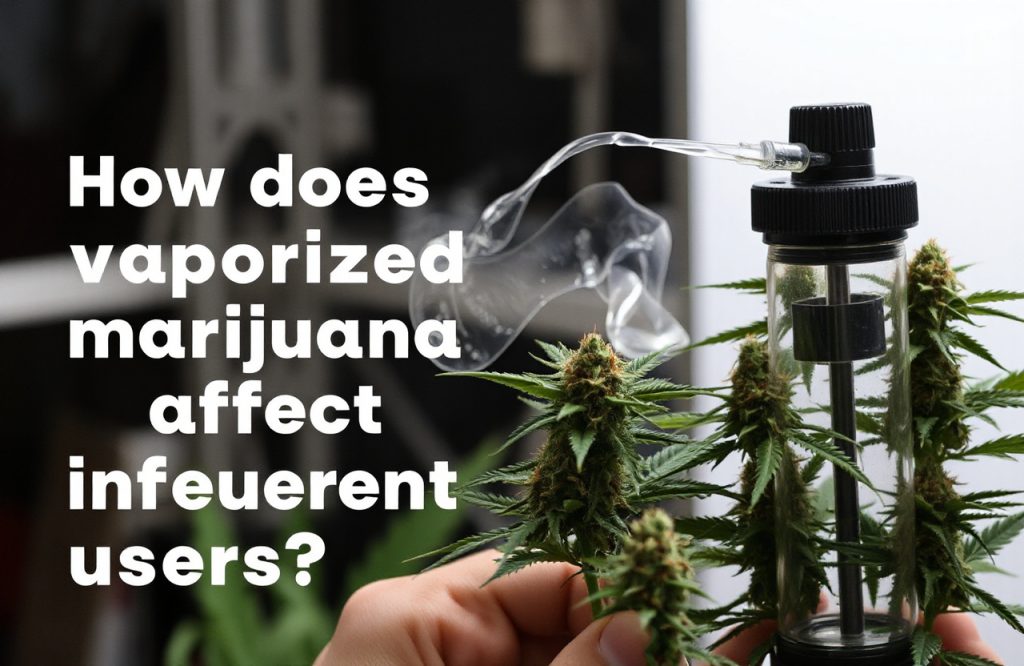
Study on Cannabis Intake Methods in Infrequent Users
Background on Cannabis Legalization
A recent study evaluated the effects of various cannabis intake methods among individuals who do not regularly smoke marijuana. Canada has emerged as one of the largest nations to legalize marijuana, following only Uruguay. The country’s progressive policies regarding cannabis have prompted researchers to investigate its effects on human health and public well-being.
Common Methods of Cannabis Consumption
Traditionally, marijuana is consumed through joints, bongs, or pipes. However, vaporization has gained popularity as a preferred method over time. Vaporizers work by releasing vapor from cannabis extracts or dried cannabis, and this method is praised for minimizing exposure to harmful toxicants compared to smoking.
Comparative Study of Smoking and Vaporization
An American study published in JAMA focused on comparing the effects of smoking versus vaporizing cannabis. This crossover study involved 17 participants who were identified as irregular marijuana users. A thorough physical examination ensured that all subjects had a healthy medical background, and tests confirmed the absence of other drug influences a month before the experiment.
Study Design and Methodology
The participants engaged in six sessions, each lasting 8.5 hours, using one of the two consumption methods. Sessions were spaced out with one-week intervals. The cannabis doses administered varied in THC content, including 0 mg, 10 mg, and 25 mg. Researchers assessed the effects of these interventions through cognitive performance tests and measurements of blood THC concentration.
Findings on Cognitive Function and THC Concentration
The study found that cannabis doses containing 10 mg of THC led to slight cognitive impairment, while doses with 25 mg significantly intensified these adverse effects. Notably, vaporization produced more pronounced pharmacological effects, including higher peaks in blood THC concentration compared to smoking.
Conclusions and Implications for Future Research
The study concluded that vaporizing cannabis resulted in stronger drug effects, with THC concentration being a crucial factor influencing cognitive impairment, heart rate, and psychomotor function. Given the increasing accessibility and legalization of cannabis, such studies are invaluable for healthcare professionals. Although the findings indicate that higher THC doses correlate with greater drug impacts, further research involving larger sample sizes and varying THC doses may enhance accuracy. Investigating the relationship between blood THC concentration and drug effects could deepen the understanding of cannabis’s impact on the body.
References
Spindle, T. R., Cone, E. J., Schlienz, N. J., Mitchell, J. M., Bigelow, G. E., Flegel, R., . . . Vandrey, R. (2018). Acute Effects of Smoked and Vaporized Cannabis in Healthy Adults Who Infrequently Use Cannabis. JAMA Network Open, 1(7). doi:10.1001/jamanetworkopen.2018.4841
EurekAlert. (n.d.). What are effects of smoked, vaporized marijuana in infrequent adult users? Retrieved January 01, 2018, from https://www.eurekalert.org/pub_releases/2018-11/jn-wae112718.php