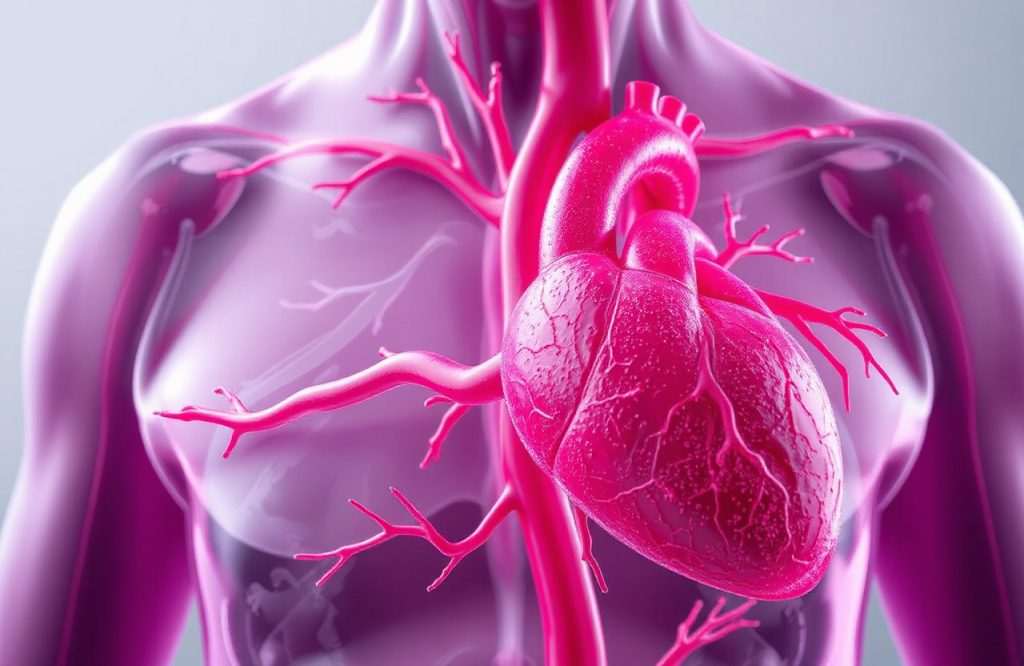
Understanding Cardiovascular Disease
What is Cardiovascular Disease?
Cardiovascular disease (CVD), commonly referred to as heart disease, is the leading cause of death globally. Rather than being a single ailment, CVD encompasses various conditions that adversely affect the cardiovascular system. Key issues include:
Key Conditions Associated with Cardiovascular Disease
– **High Blood Pressure**: Prolonged high blood pressure can lead to damage and wear on blood vessels.
– **Atherosclerosis**: This condition involves the hardening and narrowing of blood vessels, often due to cholesterol buildup, which impedes blood flow and heightens the risk of clots.
– **Coronary Artery Disease**: A form of atherosclerosis that affects the heart’s blood vessels, leading to reduced blood supply and potential heart-related issues such as angina, heart attacks, and heart failure.
– **Heart Attack**: A heart attack occurs when a clot obstructs blood flow to the heart, resulting in tissue damage or death.
– **Stroke**: A stroke is caused by a clot blocking blood flow to the brain, which can lead to paralysis, loss of function, or death.
– **Heart Failure**: This condition arises when the heart’s muscles are too weak or stiff to pump blood effectively.
Risk Factors for Cardiovascular Disease
Smoking
Smoking negatively impacts not only lung health but also increases blood pressure due to nicotine, contributing to arterial hardening over time.
Poor Dietary Habits
A diet high in saturated fats and sugars can elevate cholesterol levels, leading to clogged arteries.
Ethnicity
Certain ethnic groups, including South Asians, Aboriginals, and individuals of African or Caribbean descent, face a higher risk of CVD due to genetic predispositions.
Family History
Having a family history of CVD or related conditions such as type 2 diabetes can increase an individual’s risk.
Diabetes
Individuals with diabetes are significantly more likely to develop CVD. High glucose levels can damage blood vessels, and diabetes is often linked with elevated cholesterol.
Gout
Gout, a type of arthritis marked by high uric acid levels, can contribute to several cardiovascular issues, including atherosclerosis and heart failure.
Taking Action Against Cardiovascular Disease
Physical Activity
Engaging in regular physical activities like walking, dancing, or gardening strengthens the heart and improves overall health. Exercise helps lower blood pressure, reduces stress, and enhances circulation.
Healthy Diet
Incorporating heart-healthy foods rich in omega-3 fatty acids and antioxidants can protect heart health. Foods such as fatty fish, fruits, and vegetables should be prioritized, while consumption of saturated fats and sugars should be minimized.
Quitting Smoking
Stopping smoking can significantly reduce the risk of heart attacks and improve lung function over time.
Managing Diabetes and Gout
Awareness and management of diabetes are crucial, as many individuals may be unaware of their condition. Gout also requires attention, as high uric acid levels can influence cardiovascular health. It is essential to manage these conditions effectively.
Current Research and Future Directions
Recent studies indicate that metformin, a common diabetes medication, not only improves glucose levels but also reduces mortality risks in patients with heart failure. Ongoing research aims to develop treatments that can manage glucose levels while also preventing cardiovascular complications. Similarly, investigations into gout treatments are focusing on managing uric acid levels to mitigate cardiovascular risks.
References
1. Improved clinical outcomes associated with metformin in patients with diabetes and heart failure. Eurich DT et al. Diabetes Care. (2005)
2. Metformin therapy and prognosis of patients with heart failure and new-onset diabetes mellitus. A propensity-matched study in the community. Romero SP et al. Int J Cardiol. (2011)
3. Decreased mortality associated with the use of metformin compared with sulfonylurea monotherapy in type 2 diabetes. Johnson JA et al. Diabetes Care. (2002)
4. Drug treatment of hyperuricemia to prevent cardiovascular outcomes: are we there yet? Gaffo, AL and Saag, KG. Am J Cardiovasc Drugs. (2012)