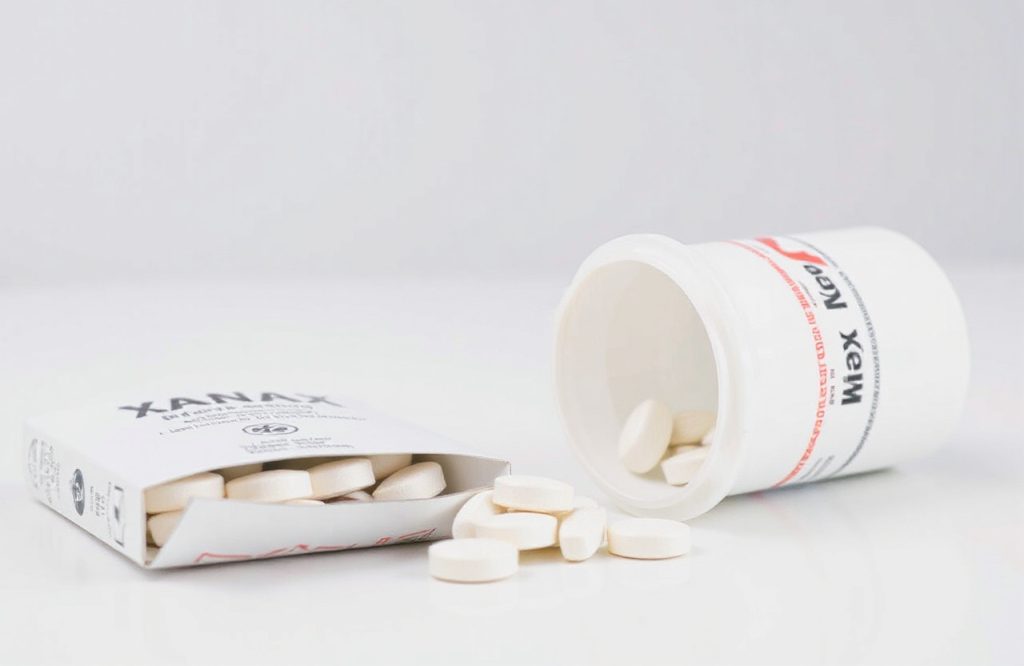
Xanax Overview
What is Xanax?
Xanax, the brand name for alprazolam, is a medication commonly prescribed to manage generalized anxiety disorder and panic disorder. This drug belongs to the benzodiazepine class, which works by relaxing the nervous system and slowing cognitive processes. As a result, benzodiazepines like Xanax can be effective in treating various mental health conditions, including anxiety. Additionally, some benzodiazepines are utilized for other medical purposes, such as treating convulsive disorders and providing sedation before surgery.
Mechanism of Action
How Does Xanax Work?
Xanax operates by binding to the GABA-A receptors in the brain. This interaction enhances the effects of GABA, a neurotransmitter that decreases neuronal activity. By increasing GABA activity, Xanax helps to alleviate anxiety and promote relaxation.
Onset of Effects
How Long Does It Take for Xanax to Work?
Xanax is rapidly absorbed, typically reaching peak concentration within one to two hours after ingestion. Compared to other benzodiazepines, Xanax has a shorter half-life and is known for its potency. Users often experience effects such as muscle relaxation, overall body relaxation, and drowsiness relatively quickly. However, some may encounter side effects, including headaches, fatigue, memory loss, and depression. Notably, research has indicated that Xanax can significantly impact memory retention.
Side Effects
Common Side Effects of Xanax
The use of Xanax can lead to several common side effects, including drowsiness, dizziness, memory difficulties, irritability, gastrointestinal issues, headaches, nausea, vomiting, and blurred vision. Additionally, long-term or high-dose use can result in addiction.
Misuse and Withdrawal
Understanding Xanax Misuse
Statistics from 2017 indicate that there were 25.5 million prescriptions for Xanax dispensed in the United States. In Canada, approximately 10% of the population uses benzodiazepines annually, with 1 in 10 individuals using them persistently for over a year. Xanax is highly addictive, with overdose risks heightened when combined with other substances, including opioids, antidepressants, and alcohol. Grapefruit products can also increase the risk of toxicity due to their effects on drug metabolism.
Withdrawal Symptoms
Discontinuing Xanax can lead to withdrawal symptoms such as increased heart rate and blood pressure, gastrointestinal issues, sensory hypersensitivity, and insomnia. More severe withdrawal effects may include delirium and seizures, which can be life-threatening.
Xanax and Pregnancy
Risks Associated with Xanax Use During Pregnancy
Xanax is classified as a class D teratogen, indicating a high risk to a developing fetus. This medication can also be present in breast milk, posing potential risks to nursing infants. Women who are pregnant or planning to conceive should consult their healthcare providers to discuss the implications of using Xanax.
Consulting Your Doctor
Importance of Professional Guidance
It is crucial to approach Xanax use with caution and seek medical advice regarding its long-term effects. Engaging with healthcare professionals about mental health concerns and any changes to medications or supplements is essential for ensuring safe treatment practices.
References
Ait-Daoud, N., Hamby, A. S., Sharma, S., & Blevins, D. (2018). A Review of Alprazolam Use, Misuse, and Withdrawal. Journal of Addiction Medicine, 12(1), 4–10. https://doi.org/10.1097/ADM.0000000000000350
Brands, B., Spraule, B., Marshman, J. (Eds.) Drugs and Drug Abuse. Third edition. Toronto: Addiction Research Foundation; 1998.
Chowdhury, Z. S., Morshed, M. M., Shahriar, M., Bhuiyan, M. A., Islam, S. M., & Bin Sayeed, M. S. (2016). The Effect of Chronic Alprazolam Intake on Memory, Attention, and Psychomotor Performance in Healthy Human Male Volunteers. Behavioural Neurology, 2016, 3730940. https://doi.org/10.1155/2016/3730940
George, T. T., Tripp, J. Alprazolam. [Updated 2020 Aug 14]. In: StatPearls [Internet]. Treasure Island (FL): StatPearls Publishing; 2020 Jan-. Available from: https://www.ncbi.nlm.nih.gov/books/NBK538165/
Isbister, G. K., O’Regan, L., Sibbritt, D., & Whyte, I. M. (2004). Alprazolam is Relatively More Toxic than Other Benzodiazepines in Overdose. British Journal of Clinical Pharmacology, 58(1), 88–95. https://doi.org/10.1111/j.1365-2125.2004.02089.x
Longo, L., & Johnson, B. (2000, April 01). Addiction: Part I. Benzodiazepines-Side Effects, Abuse Risk and Alternatives. Retrieved January 14, 2021, from https://www.aafp.org/afp/2000/0401/p2121.html
Olsen, R. W., DeLorey, T. M. GABA Receptor Physiology and Pharmacology. In: Siegel, G. J., Agranoff, B. W., Albers, R. W., et al., editors. Basic Neurochemistry: Molecular, Cellular and Medical Aspects. 6th edition. Philadelphia: Lippincott-Raven; 1999. Available from: https://www.ncbi.nlm.nih.gov/books/NBK28090/
Tan, K. R., Rudolph, U., & Lüscher, C. (2011). Hooked on Benzodiazepines: GABAA Receptor Subtypes and Addiction. Trends in Neurosciences, 34(4), 188–197. https://doi.org/10.1016/j.tins.2011.01.004
Statista: Number of Alprazolam Prescriptions in the U.S. from 2004 to 2017 https://www.statista.com/statistics/781816/alprazolam-sodium-prescriptions-number-in-the-us/
Image by Gordon Johnson from Pixabay