Study on Alcohol Consumption During Pregnancy
Introduction
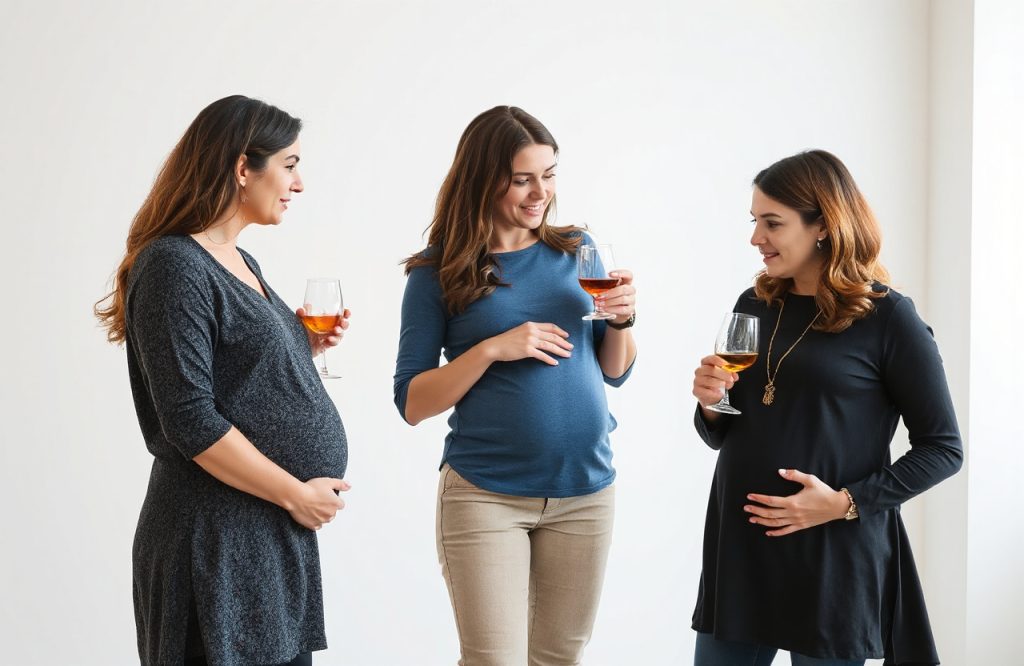
Recent research has delved into the reasons high-risk women consume alcohol during pregnancy. Alcohol remains a leading substance affecting unborn babies, with up to 50% of women globally consuming alcohol at some point during their pregnancies. Current medical guidelines recommend complete abstinence from alcohol during this critical period, yet some women still partake in mild to moderate drinking.
Research Background
To explore this issue, a team of researchers from Sao Carlos, Sao Paulo, Brazil, conducted interviews to understand what drives some women to drink alcohol while others choose to avoid it entirely. The findings were published in the journal PloS ONE. The researchers utilized data from a previous study focused on pregnancy habits, identifying fourteen at-risk drinkers who participated in individual, face-to-face interviews conducted in comfortable settings to foster trust and openness.
Motives for Alcohol Consumption
General Motives
The study identified sixteen motives for alcohol consumption, categorized into three groups. The most prevalent general motive was social interaction. Many women felt the need to drink to connect with social groups or partners, viewing it as a means of enjoyment and relaxation. One participant expressed, “Not drinking is just like going to a party where you stay outside and everyone else goes in.” Another remarked, “In a certain way it’s pleasurable. So, I said, ‘I won’t give it up while I’m pregnant.’”
Another significant motive was coping with difficulties. While pregnancy is typically linked to positive feelings, some women faced stress related to finances, relationships, and the pregnancy itself, leading them to believe that stress could negatively impact their baby more than alcohol.
Specific Motives for Drinking and Avoidance
Among specific motives for alcohol consumption, cravings emerged as the most common reason. Women reported struggles with controlling their desires, with one participant stating, “I can’t explain it. It’s uncontrollable. Some women have these crazy cravings. I went for drinking, which I found pretty strange.”
Conversely, the study also highlighted factors that led some women to reduce or eliminate their alcohol intake during pregnancy. A prevalent motive was concern for the baby’s health, linked to a sense of maternal responsibility. Additionally, disapproval from family, friends, and healthcare providers also influenced some women to abstain. One participant shared her experience: “I drank up to 5 months. Then I found out about the pregnancy, and I stopped. I said, ‘I can’t, because of my daughter.’ Because I thought about her health.”
Conclusion
The researchers hope this study will enhance understanding of the specific motivations behind alcohol consumption during pregnancy, potentially leading to more effective preventive strategies. They emphasize the need for further studies and deeper analysis of the findings.
Reference
Martinelli, J., Germano, C., de Avó, L., Fontanella, B., and Melo, D. (2019). Motivation for alcohol consumption or abstinence during pregnancy: A clinical-qualitative study in Brazil. PLOS ONE, 14(10), p.e0223351.