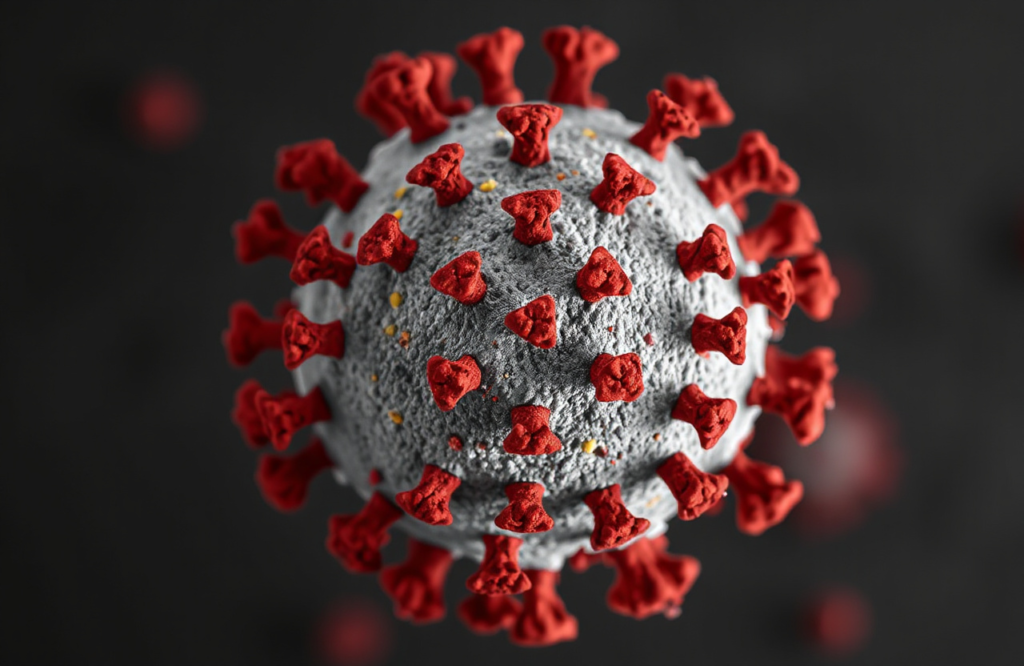
Overview of the Omicron Variant
Initial Reports and WHO Classification
The World Health Organization (WHO) received the first reports of the B.1.1.529 variant, known as the Omicron variant, from South Africa on November 24, 2021. On November 26, 2021, the Technical Advisory Group on Virus Evolution (TAG-VE) designated this variant as a Variant of Concern.
Characteristics and Concerns
The Omicron variant is believed to be highly infectious due to several mutations that may significantly affect global health. However, it remains unclear whether it is more transmissible than existing coronavirus variants or if it leads to more severe illness. Investigations are ongoing in South Africa to determine the cause of the rising positive cases, with results from WHO suggesting that weeks may be needed to fully understand the variant’s severity. Maria Van Kerkhove, the WHO’s technical lead on Covid-19, indicated that the variant’s mutations raise substantial concerns for public health.
Global Spread of the Omicron Variant
Cases of the Omicron variant have been identified in multiple countries, including the Netherlands, Canada, Switzerland, Germany, the UK, Scotland, Belgium, Italy, Israel, Botswana, Australia, and Hong Kong. A South African physician, one of the first to identify the variant, reported that the symptoms associated with Omicron are notably mild and do not necessitate hospitalization.
Omicron Variant of Coronavirus in India
Revised Travel Guidelines
As the Omicron variant spreads globally and countries implement travel restrictions, the Indian Union Health Ministry updated its international travel guidelines on November 28, 2021. According to the new regulations, all international travelers must submit travel details for the past 14 days and upload a negative Covid-19 (RT-PCR) test report on the Air Suvidha portal prior to departure. The RT-PCR test should be conducted within 72 hours of travel.
Testing and Quarantine Protocols
Travelers from high-risk countries are required to undergo Covid-19 testing upon arrival and must wait at the airport for their results. If their test is negative, they must self-quarantine for seven days, take another test on the eighth day, and continue to monitor their health for an additional seven days. In the event of a positive test result, samples will be sent for genomic sequencing at the INSACOG laboratory, and affected individuals will be isolated and treated according to standard protocols, including contact tracing.
Travelers from non-high-risk countries will be subject to random RT-PCR testing upon arrival, with 5% selected for testing. If their test results are negative, they must self-assess for 14 days. Positive cases will also undergo genomic sequencing.
Effect of Covid Vaccine on Omicron Variant
Vaccine Efficacy Studies
The effectiveness of current Covid-19 vaccines against the Omicron variant remains uncertain. WHO is collaborating with healthcare organizations to evaluate how well existing vaccines respond to this new strain. Vaccination is crucial for reducing disease severity and mortality.
Ongoing Research and Vaccine Development
South African scientists have initiated studies to assess the efficacy of existing vaccines against the Omicron variant. Moderna, the manufacturer of one Covid-19 vaccine, is focusing on developing a booster shot tailored to combat the new variant. Paul Burton, Moderna’s Chief Medical Officer, expressed concerns that current vaccines might not be effective against Omicron, potentially necessitating large-scale production of new vaccines next year. Similarly, Pfizer’s CEO Albert Bourla stated that the company is working on adjustments to its vaccine specifically for the Omicron variant if current formulations prove insufficient.