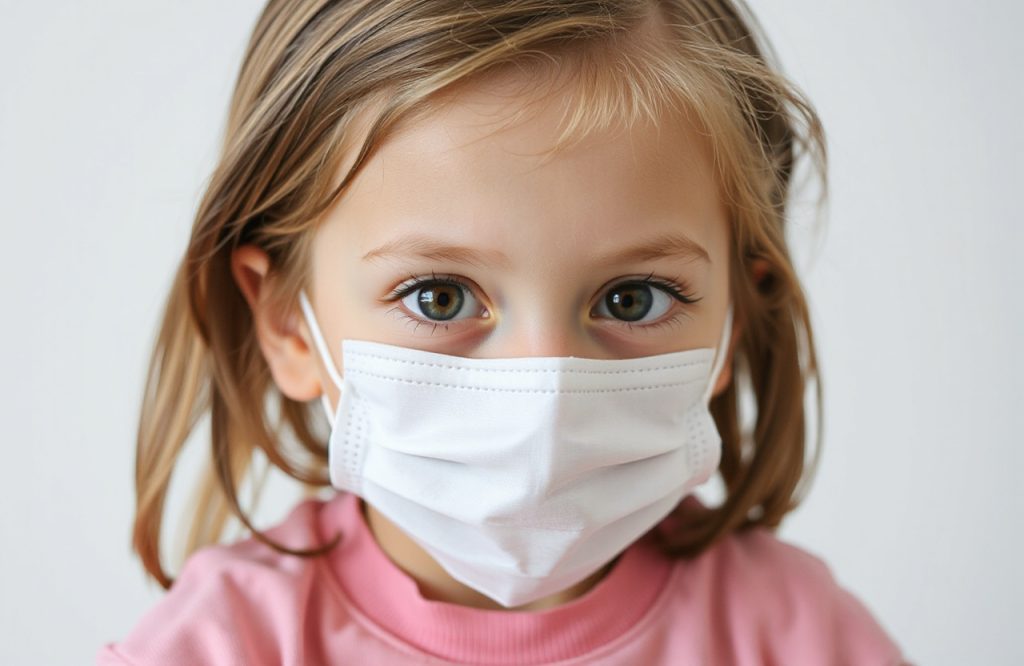
Study on COVID-19 Symptoms in Children
Overview of the Research
A significant study evaluated hospital cases to understand the symptom patterns of COVID-19 in children and the factors contributing to a higher risk of severe illness. Initial findings from the pandemic indicated that, in contrast to other respiratory viruses, children and young people exhibit a lower susceptibility to the SARS-CoV-2 virus compared to adults.
Incidence of COVID-19 in Children
Globally, children account for approximately 1-2% of COVID-19 cases, with most experiencing mild or asymptomatic conditions. Nonetheless, a small fraction of children may develop severe illness requiring critical care. Additionally, pediatricians have noted clusters of children who have developed multisystem inflammatory syndrome (MIS-C) subsequent to SARS-CoV-2 infection. Symptoms of MIS-C can include rashes, significantly low blood pressure, heart dysfunction, blood clotting disorders, and gastrointestinal issues.
Research Methodology
As part of a broader initiative examining clinical characteristics of COVID-19 patients, researchers in the United Kingdom focused on analyzing symptoms in children hospitalized with SARS-CoV-2 infection. They aimed to identify factors that elevate the risk of requiring intensive care support, mortality, or the onset of MIS-C. The findings from this study were recently published in the BMJ.
Comparative Severity of Symptoms
The research was conducted under the International Severe Acute Respiratory and emerging Infection Consortium (ISARIC) WHO Clinical Characterization Protocol (CCP-UK), which is a global collaborative effort investigating various dimensions of COVID-19. The researchers analyzed data from 651 children to draw their conclusions.