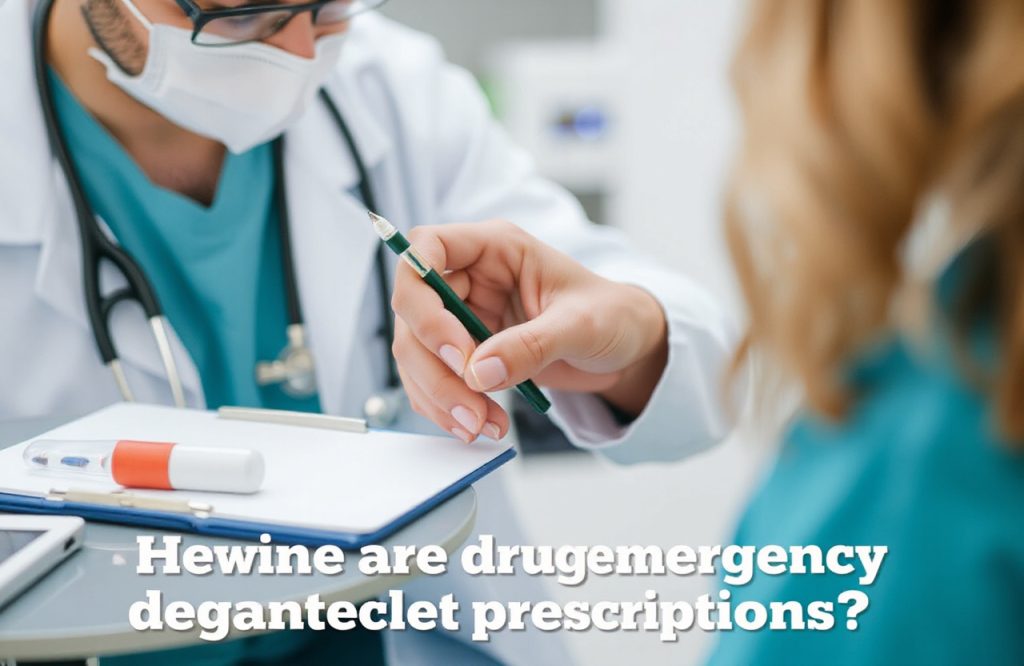
Study Evaluates Drug Interactions from Emergency Department Discharges
Background on Adverse Drug Reactions
A recent study aimed to assess the frequency with which emergency departments discharge patients with prescriptions that may lead to drug interactions with their existing home medications. Approximately 25% of patients in the community experience adverse drug reactions, with 39% of these reactions deemed preventable. Most preventable adverse drug reactions are attributed to drug-drug interactions, which occur when one medication affects the potency, efficacy, or safety of another.
Study Design and Methodology
The rate of drug-drug interactions stemming from emergency department prescriptions varies significantly, ranging from 3% to 47%. To gain a clearer understanding of the frequency and severity of these interactions, researchers in the United States conducted a retrospective chart review. Their findings were published in the American Journal of Emergency Medicine, focusing on patient visits from August 2015 at a large urban tertiary care medical center.
Patients included in the study were over the age of 20 and discharged from the emergency department with a medication prescription. Those who left without a prescription, were admitted to the hospital, transferred to another facility, or departed against medical advice were excluded. The researchers analyzed the first 500 patients that met their inclusion criteria.
Evaluation of Drug Interactions
Drug interactions between the new prescriptions from the emergency department and the patients’ regular home medications were assessed using the Lexicomp interaction database. The severity of these interactions was classified into risk categories:
– A: No known interaction
– B: Interaction without clinical action needed
– C: Interaction requiring clinical monitoring
– D: Interaction necessitating therapy modification
– X: Interaction contraindicated for concurrent use
Findings on Discharge Prescriptions
The review identified a total of 858 discharge prescriptions for the 500 patients. Approximately 38% of these patients had at least one drug interaction rated B or higher, with nearly half of this group having only one identified drug-drug interaction. In total, 429 drug interactions were identified, with 15.6% classified as B risk, 60% as C risk, 22% as D risk, and 1.6% as X risk. The medications most frequently associated with these interactions included oxycodone-acetaminophen, ibuprofen, ciprofloxacin, prednisone, and albuterol.
The study found that QTc prolongation, increased risk of bleeding, and central nervous system depression were among the most commonly recognized drug interactions. Most interactions fell into the C risk category, indicating that clinical monitoring is recommended.
Implications for Emergency Department Practices
These findings underscore the importance of post-discharge patient follow-up and the reconciliation of discharge medications with current home medications. Emergency department physicians should conduct a risk-benefit analysis prior to prescribing medications at discharge and assess the clinical context of potential drug interactions, ensuring that any associated risks are effectively communicated to the patient.
Limitations and Conclusions
The study acknowledges limitations regarding the generalizability of its findings, as it was conducted at a single facility and excluded patients under 20 years of age. Additionally, drug interactions were evaluated using only one database, which may differ from others in terms of classification or severity.
Ultimately, the study advocates for conducting drug interaction checks before discharging patients from the emergency department. The researchers hope their results will raise awareness of common drug interactions and promote patient education concerning the monitoring of adverse drug reactions.
References
Jawaro, P.J., Bridgeman, J., Mele, et al. (2019). Descriptive study of drug-drug interactions attributed to prescriptions written upon discharge from the emergency department. American Journal of Emergency Medicine. https://doi.org/10.1016/j.ajem.2019.01.049
Coyle, C. (2019, February 26). Drug interactions in ERs common but preventable, Rutgers study finds. Retrieved from https://www.eurekalert.org/pub_releases/2019-02/ru-dii022619.php