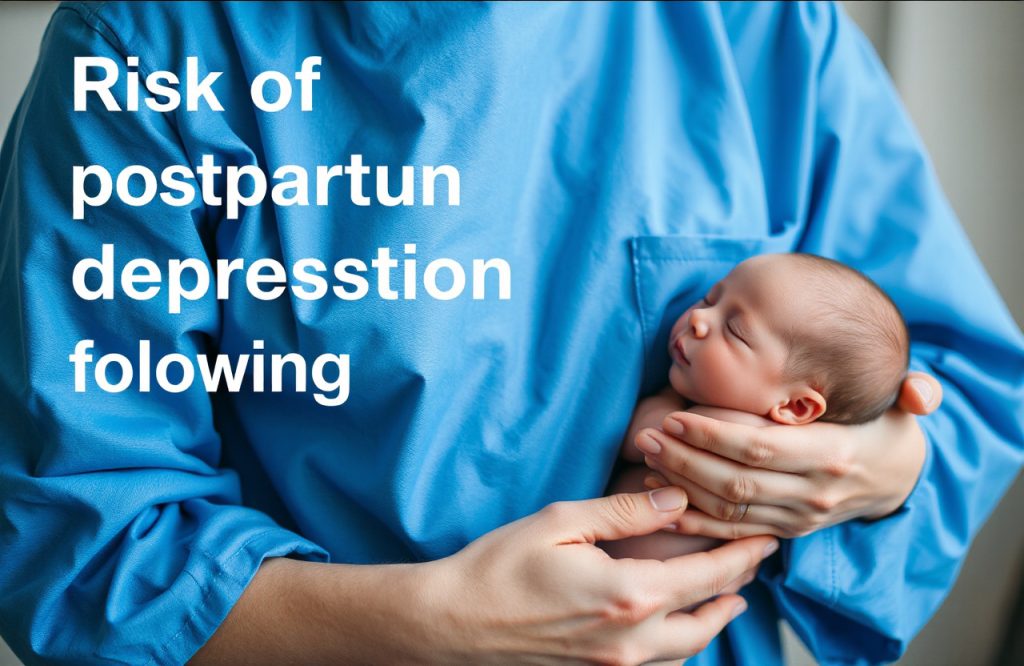
Impact of Anesthesia Type on Postpartum Depression in C-Section Births
Introduction to C-Section Births
Caesarean section births performed under general anesthesia have been found to carry a 54% higher risk of postpartum depression compared to those conducted with spinal anesthesia. This raises an important question: Do the choices made by healthcare providers and expectant mothers regarding the delivery method influence the likelihood of developing postpartum depression?
While natural birth remains the predominant delivery method, the Canadian Institute for Health Information reports that approximately 28% of women opt for a caesarean section (C-section). This surgical procedure involves making an incision in the lower abdomen to access the uterus and deliver the baby, bypassing the vaginal canal. C-sections rank as the most common inpatient surgical procedure in Canada, and their prevalence continues to rise each year.
Reasons for C-Section Delivery
Women may choose to schedule a C-section for various reasons, including personal preferences, alignment with physician schedules, and the baby’s position as the delivery date approaches. Additionally, some mothers who initially plan for a natural birth may require an emergency C-section due to potential risks. These risks can include life-threatening situations for the mother, such as excessive bleeding or complications preventing the baby from passing through the birth canal, as well as concerns for the baby, such as undetected birth defects or issues with the placenta and umbilical cord.
Risks Associated with C-Sections
As a surgical procedure, C-sections entail certain risks, including blood loss, organ damage, infections, and blood clots. Crucial decisions made by healthcare providers regarding the urgency of the C-section can influence the type of anesthesia administered. Typically, women have the option of either spinal anesthesia, which numbs the lower body while keeping the mother awake, or general anesthesia, which renders the mother unconscious during the procedure. In emergency scenarios, general anesthesia is often preferred due to its rapid onset.
Research on Anesthesia and Mental Health
Despite the perceived safety of general anesthesia for both mother and baby in the immediate context, emerging research indicates potential long-term risks that extend beyond the surgery itself. Researchers in New York City aimed to investigate whether mothers undergoing C-sections with general anesthesia faced an elevated risk of mental health issues. They analyzed data from hundreds of thousands of C-section deliveries in the New York City area between 2006 and 2013, excluding mothers with prior C-sections or those who received general anesthesia within a year of delivery. Out of over 400,000 cases, nearly 35,000 women received general anesthesia.
The study compared the two groups of women—those who had general anesthesia and those who did not—assessing for signs of postpartum depression. Symptoms examined included formal diagnoses of postpartum depression, suicidal thoughts or self-harm, anxiety disorders, and post-traumatic stress disorder. The findings revealed that women who underwent C-sections with general anesthesia exhibited a 54% increased risk of developing postpartum depression symptoms compared to their counterparts.
Implications and Recommendations
Although the exact reasons for the heightened risk associated with general anesthesia remain unclear, this previously unpublished data presents significant considerations for healthcare professionals when determining anesthesia for C-section births. The researchers advocate for the incorporation of mental health screenings and follow-up services to identify and address postpartum depression in new mothers, ultimately aiming to enhance maternal mental health post-delivery.
References
– General anesthesia in cesarean deliveries increases odds of postpartum depression by 54%. (2020). Retrieved 11 February 2020, from https://www.eurekalert.org/pub_releases/2020-02/cums-gai020320.php
– Guglielminotti, J., et al. (2020). Exposure to General Anesthesia for Cesarean Delivery and Odds of Severe Postpartum Depression Requiring Hospitalization. Retrieved 11 February 2020, from https://journals.lww.com/anesthesia-analgesia/Abstract/publishahead/Exposure_to_General_Anesthesia_for_Cesarean.95799.aspx
– C-section rates continue to increase while birth rates decline | CIHI. (2020). Retrieved 11 February 2020, from https://www.cihi.ca/en/c-section-rates-continue-to-increase-while-birth-rates-decline
– Reasons for a C-Section: Medical and Elective. (2020). Retrieved 11 February 2020, from https://www.healthline.com/health/pregnancy/c-section-reasons
– Pregnancy and birth: Cesarean sections: What are the pros and cons of regional and general anesthetics?. (2020). Retrieved 11 February 2020, from https://www.ncbi.nlm.nih.gov/books/NBK279566/