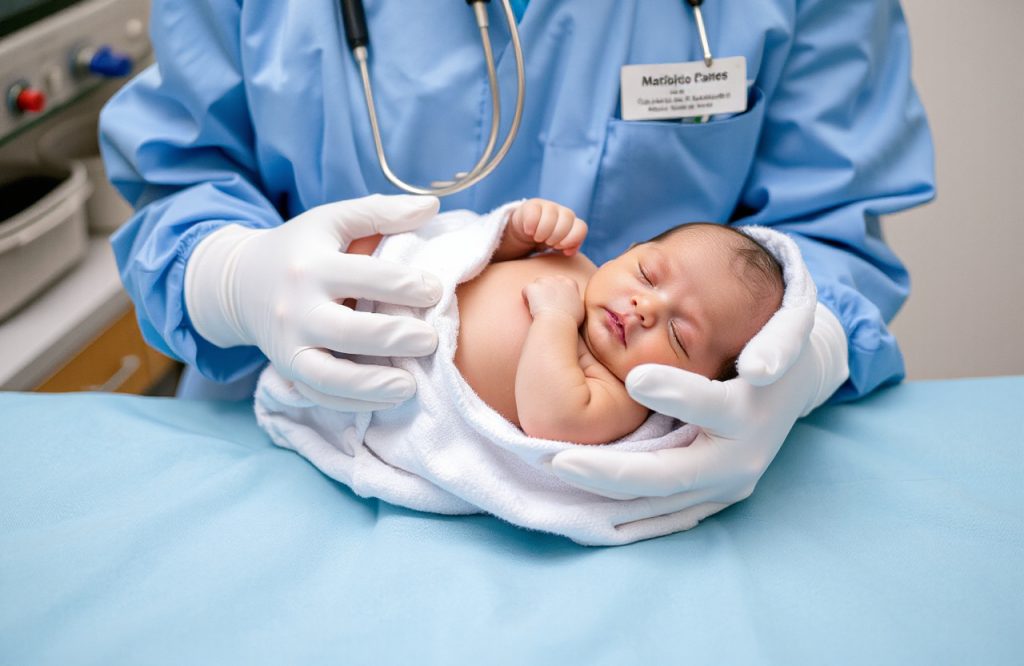
Evaluating Antibiotic Use in Premature Babies
Introduction to the Issue
A recent article published in *Science* scrutinizes the implications of excessive antibiotic use in premature infants, shedding light on their safe and effective administration. Premature babies, commonly referred to as preemies, are born several weeks before their due date and require specialized care, typically provided in neonatal intensive care units (NICUs). Due to their vulnerability, infections pose a significant risk to these infants, prompting physicians to frequently prescribe antibiotics as a preventive or therapeutic measure. In fact, antibiotics are among the most commonly used medications in NICUs, often administered even in the absence of confirmed infections.
Growing Concerns Among Medical Professionals
In recent years, there has been a growing awareness among healthcare providers regarding the overuse of antibiotics in newborns. Research indicates that administering antibiotics to preemies may be linked to various health issues later in life, including asthma, obesity, and autoimmune disorders. The article in *Science* highlights the urgent need to address these risks, focusing on the research conducted by neonatologist Josef Neu and microbiologist Gautam Dantas, who advocate for a more judicious approach to antibiotic usage in this vulnerable population.
The Risks of Antibiotic Overuse
Impact on Gut Microbiome
Preemies are particularly susceptible to infections such as sepsis and strep B, which justifies the use of antibiotics. However, blanket prescriptions for all premature infants are not the ideal solution. Studies reveal that antibiotics can significantly disrupt a baby’s developing gut microbiome. The gut microbiome plays a crucial role in overall health, influencing disease susceptibility, nutritional status, and immune function. Research shows that preemies treated with antibiotics exhibit a ten-fold reduction in bacterial species diversity compared to full-term infants, increasing the likelihood of harmful bacteria overgrowth.
Development of Antibiotic-Resistant Bacteria
DNA sequencing studies on the stool of preemies reveal a concerning trend: the presence of bacteria closely resembling those found in hospital environments, many of which are resistant to commonly used antibiotics. This resistance can develop when antibiotics are prescribed unnecessarily, turning the gut of preemies into a breeding ground for antibiotic-resistant microorganisms. Additionally, prolonged antibiotic use may heighten the risk of fungal infections, late-onset sepsis, and necrotizing enterocolitis, a serious intestinal condition.
Strategies to Mitigate Antibiotic Use
Innovative Screening Methods
While preventing life-threatening infections in preemies remains a top priority for medical professionals, the adverse effects of antibiotics on gut health necessitate a reconsideration of prescribing practices. Neonatologist Karen Puopolo has developed an algorithm that assesses gestational age, clinical examination findings, and maternal risk factors to identify serious infections in newborns. This tool has successfully reduced the rate of antibiotic administration among full-term infants.
Delivery Method Considerations
The mode of delivery can also inform infection risk assessment in preemies. For instance, infants born via cesarean section are less exposed to maternal vaginal bacteria, potentially lowering their infection risk. Additionally, advancing diagnostic tests for infections that are rapid and sensitive could further decrease unnecessary antibiotic usage.
The Long-Term Consequences for Preemies
Microbiome Development Post-Hospitalization
A healthy gut microbiome is essential for numerous bodily functions, including vitamin synthesis and immune system support. Research by microbiologist Dantas has tracked the gut microbiomes of preemies after their discharge from the hospital. While those with initially poor microbiomes can develop more diverse gut ecosystems over time, they often fail to achieve the same health levels as full-term infants. This disparity may elucidate the association between early antibiotic use and subsequent health conditions such as obesity, asthma, and autoimmune disorders. Furthermore, antibiotic-resistant bacteria can persist in the guts of preemies long after their NICU stay, posing risks to both themselves and those around them.
Future Directions in Antibiotic Research
Need for Safer Antibiotics
While antibiotics are crucial in saving the lives of premature infants, their long-term health implications are concerning. The gut microbiome, shaped by both genetic and environmental factors including antibiotic exposure, is vital for overall health. Increasing awareness about the effects of antibiotics on preemies may lead to a reevaluation of standard prescribing practices. Future research should focus on developing antibiotics that are not only effective but also safe for these delicate patients.
Conclusion
The balance between preventing infections and safeguarding the health of premature infants is delicate. A shift in antibiotic use practices, alongside the development of safe alternatives, is essential for improving the long-term health outcomes of preemies.
Written by Preeti Paul, MS Biochemistry
Reference: Broadfoot, Marla. “Too many antibiotics can give preemies a lifetime of ill health,” *Science*, Apr 5, 2018. www.sciencemag.org/news/2018/04/too-many-antibiotics-can-give-preemies-lifetime-ill-health