Understanding the Increasing Risk of Fractures Among Seniors
The Growing Senior Population and Associated Risks
The senior demographic is expanding, leading to increased risks of falls and low bone density, which heighten the likelihood of fractures. Researching the causes of low bone density and fractures is essential for our aging population, which is particularly vulnerable to such injuries.
Impact of Fractures on Quality of Life
Fractures can significantly diminish quality of life, resulting in pain, mobility limitations, and loss of independence. Identifying the underlying reasons for low bone density and fracture susceptibility is crucial for prevention and treatment strategies.
Research Findings by Trajanoska and Colleagues
Investigating Genetic Factors
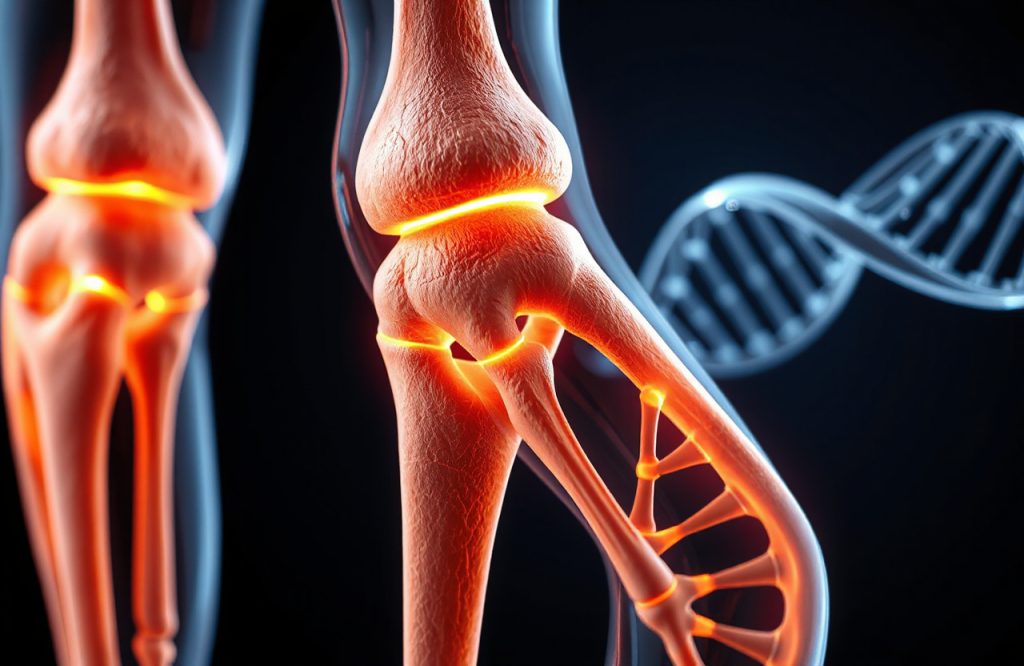
To address the challenges faced by seniors, Trajanoska and colleagues explored the genetic factors linked to fracture risks. Their study involved analyzing the genomes of individuals who experienced fractures in comparison to those who did not.
Key Insights from the Study
The researchers examined genes and lifestyle factors across a large population to assess fracture and low bone density risks. They identified fifteen specific locations on the genome associated with fracture risk, all of which were near genes previously connected to bone density. Interestingly, factors such as grip strength and vitamin D levels were found to have no significant relationship with fracture risk.
Implications of the Research Findings
Genetic Influence Over Lifestyle Factors
The findings suggest that genetic predispositions related to low bone density and fracture risks may have a greater impact than exercise and vitamin D levels. This aligns with earlier studies that found no significant connection between vitamin D or calcium supplementation and fracture risk. Additionally, the research emphasizes the link between bone mineral density and fracture risk in postmenopausal women.
Conclusion and Future Directions
The genes identified in this research could serve as potential targets for future drug development. Furthermore, this study provides valuable insights for healthcare professionals in creating more effective strategies to reduce fracture risk among seniors.
Reference
Trajanoska K, Morris J, Oei L, et al. Assessment of the genetic and clinical determinants of fracture risk: Genome wide association and mendelian randomisation study. The BMJ. https://www.bmj.com/content/362/bmj.k3225. Published August 29, 2018.