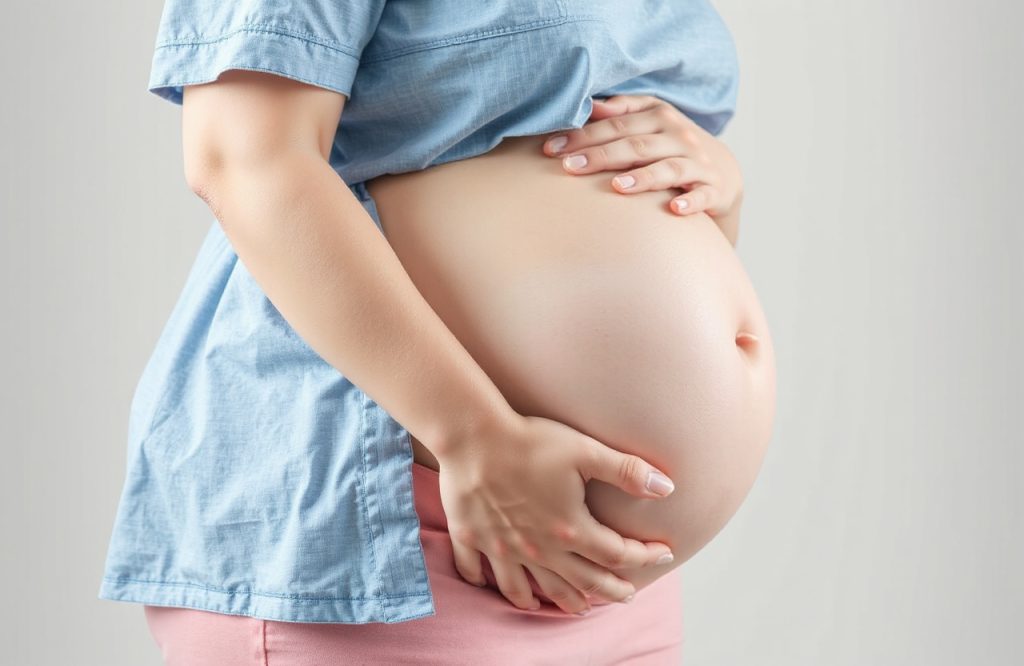
Outcomes of Pregnancy Following Bariatric Surgery
Introduction to Bariatric Surgery and Obesity
Obesity is increasingly recognized as a significant global health issue, impacting approximately 650 million individuals worldwide. Bariatric surgery has emerged as a prevalent and effective intervention for facilitating weight loss and mitigating obesity-related complications. However, this surgical approach comes with its own set of concerns, particularly regarding pregnancy.
Nutrient Deficiencies and Pregnancy Risks
One of the primary considerations during pregnancy after bariatric surgery is the risk of nutrient deficiencies, which can adversely affect fetal growth and development. A recent review study systematically examined the available data on pregnancy outcomes following bariatric surgery, encompassing various surgical types without restrictions. The literature analyzed included studies from diverse regions such as Canada, Europe, the United States, Israel, Australia, and Brazil.
Impact of Bariatric Surgery on Pregnancy Outcomes
The study explored how prior bariatric surgery influences pregnancy outcomes. Findings indicated that women who had undergone bariatric surgery faced higher risks of perinatal mortality, stillbirth, neonatal intensive care unit admissions, congenital anomalies, and preterm births compared to those without such a surgical history. Conversely, the likelihood of post-term births was reduced among women who had bariatric surgery. Additionally, there was an increased incidence of babies being small for their gestational age in this group, while the opposite trend was observed for babies large for their gestational age.
Variability in Research and Nutritional Concerns
The authors of the review noted considerable heterogeneity in the literature, which may influence the reliability of some findings. They proposed that the adverse outcomes observed in children could be partially attributed to nutritional deficiencies resulting from bariatric surgery. Specifically, surgeries that impair food digestion, such as malabsorptive procedures, might contribute to these deficiencies. The authors emphasized that, despite the reasonable quality of the studies reviewed, further research with larger sample sizes is necessary to validate these conclusions. They also acknowledged the potential influence of additional factors on these outcomes.
Conclusion
In summary, while bariatric surgery can be an effective treatment for obesity, its implications for pregnancy warrant careful consideration. More comprehensive studies are essential to better understand the relationship between bariatric surgery and perinatal outcomes.
Author Information
Written by Olajumoke Marissa Ologundudu, B.Sc. (Hons)
Reference
Akhter et al. Pregnancy after bariatric surgery and adverse perinatal outcomes: A systematic review and meta-analysis. PLOS Medicine. 2019; 16(8): e1002866. doi: https://doi.org/10.1371/journal.pmed.1002866