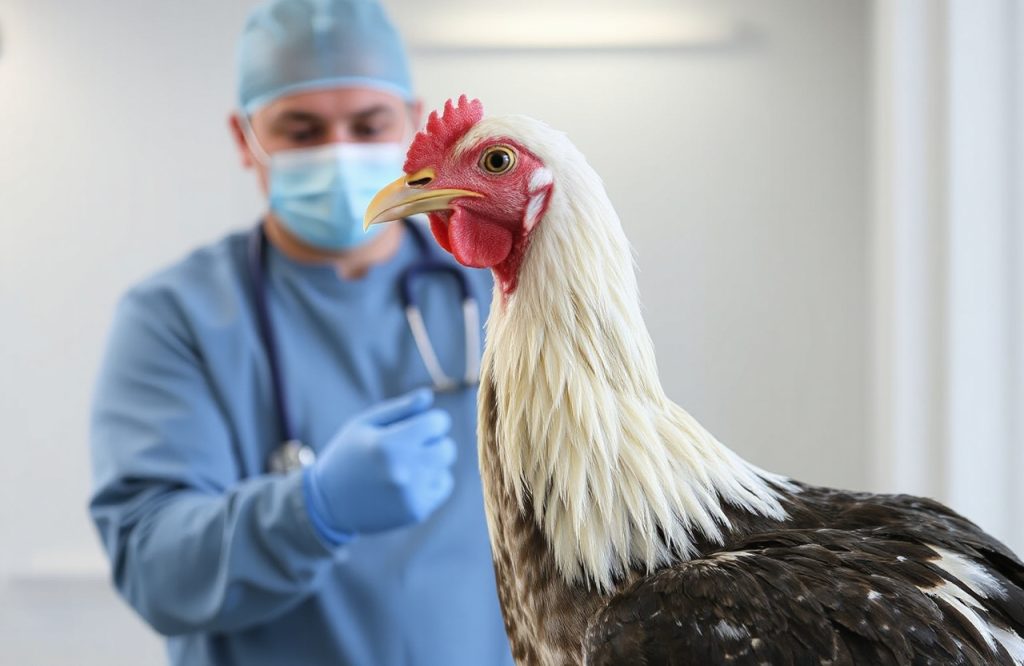
Researchers Explore Factors Influencing Avian Influenza Transmission
Can We Stop the Spread of Bird Flu?
Zoonotic diseases, which are transmitted from animals to humans, have gained attention due to their emergence in recent decades. While we comprehend the dynamics of their spread post-emergence, we often lack proactive measures to understand the underlying factors that facilitate their transmission. A recent study published in the *Archives of Public Health* examines the transmission of H5N1 avian influenza in China, focusing on the factors contributing to the spread of bird flu and other infectious diseases.
Changes in Population Dynamics
The highly pathogenic avian influenza H5N1 virus first emerged in China in 1996 and subsequently spread to 60 countries across Asia, Europe, and Africa between 2004 and 2006. Urbanization has led to a significant demographic shift, with more individuals living in cities and fewer people raising their own poultry, including chickens and ducks. This urban migration, coupled with a growing population and increased consumption of animal products among affluent individuals seeking protein sources, has resulted in heightened poultry production.
Changes in Connectivity
Domestic ducks significantly contribute to the transmission of the H5N1 virus. Infected ducks often remain asymptomatic while shedding the virus, which poses a risk to other poultry. Additionally, in China, the trading of live poultry occurs between markets located hundreds of kilometers apart, creating numerous opportunities for the virus to spread among poultry and humans.
The Poyang Lake region, home to approximately half a million wild water birds representing 75 species, serves as a primary reservoir for avian influenza in wildlife. A previous study utilizing GPS tracking revealed that domestic ducks and wild water birds from the lake share feeding grounds, primarily rice farming areas, which may facilitate virus transmission.
Implications for Understanding Disease Emergence
Although the findings from this research are specific to China, they offer valuable insights into understanding the emergence of other diseases, including Middle-East Respiratory Syndrome, Q-Fever, and a new H5N1 variant associated with increased populations of camels in the Middle East, goats in the Netherlands, and ducks in France. Enhancing farming practices, market regulations, and industrialization efforts focused on animal health could play a crucial role in preventing the spread of avian influenza among animals and its transmission to humans.
Conclusion
The study emphasizes the importance of understanding the multifaceted factors contributing to the spread of avian influenza. By addressing these issues, we can take proactive steps to mitigate the risk of zoonotic diseases in the future.
Written by Monica Naatey-Ahumah, BSc
Reference: Marius Gilbert, M., Xiao, X., and Robinson, T.P. (2017). Intensifying poultry production systems and the emergence of avian influenza in China: a ‘One Health/Ecohealth’ epitome. *Archives of Public Health*, 75 (48). https://doi.org/10.1186/s13690-017-0218-4