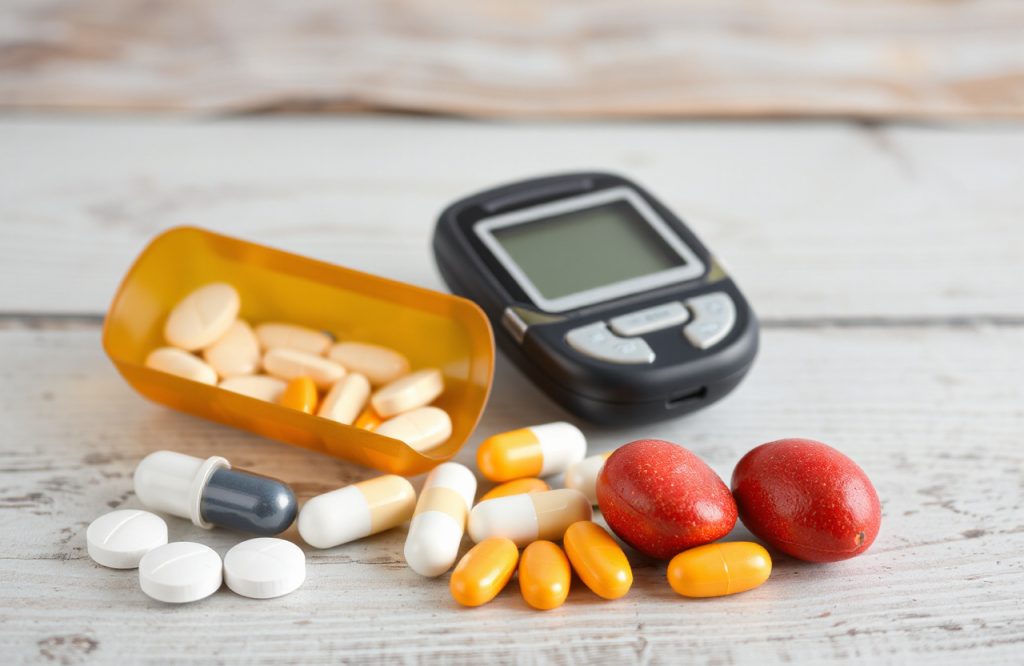
Diabetes and Cardiovascular Disease Risk
The Impact of Type 2 Diabetes
Type 2 diabetes (T2D) is a condition characterized by the body’s inability to effectively regulate blood sugar levels. Typically, insulin, a hormone produced by the pancreas, helps transport glucose from the bloodstream into the cells for energy. In individuals with T2D, insulin may not function properly, or the body’s cells may become resistant to insulin, resulting in elevated blood glucose levels.
Importance of Glucose Regulation
Proper regulation of glucose is crucial for overall health. Low blood glucose (hypoglycemia) can lead to symptoms such as dizziness, fainting, and, in severe cases, coma. Conversely, high blood glucose (hyperglycemia) can cause damage to blood vessels and organs, including the eyes and kidneys. Additionally, T2D is linked to a higher risk of cardiovascular disease and related mortality.
Advancements in Type 2 Diabetes Medications
Current Treatment Options
There is currently no cure for diabetes, making advancements in treatment essential for effective management. Over the years, the landscape of T2D medications has evolved, with options such as metformin and insulin injections becoming common. Various classes of diabetes medications have been evaluated for their effectiveness in controlling blood sugar levels and enhancing patient longevity.
Emerging Classes of Medications
Among the new classes of diabetes medications, GLP-1 and DPP-4 inhibitors have gained attention for their dual role in managing diabetes and potentially offering cardiovascular protection. GLP-1 is a hormone that stimulates insulin release and can aid in weight loss by regulating appetite. DPP-4 is an enzyme that degrades GLP-1, so DPP-4 inhibitors are utilized to maintain higher levels of GLP-1 in the body.
Research Findings and Future Directions
Clinical Trial Insights
Recent clinical trials involving T2D medications have demonstrated positive outcomes in patients with a history of heart attacks, showing improvements in heart function. This has led researchers to hypothesize that GLP-1 and DPP-4 therapies may reduce cardiovascular-related mortality by providing protective benefits to the heart.
Ongoing Research
Continued research is necessary to establish whether these innovative drug classes can not only enhance glucose management but also mitigate cardiovascular risk in individuals with T2D.
References
From theory to clinical practice in the use of GLP-1 receptor agonists and DPP-4 inhibitors therapy. Dicembrini I, Pala L, Rotella CM. Exp Diabetes Res. 2011;2011:898913. Epub 2011 Jun 23. http://www.ncbi.nlm.nih.gov/pubmed/21747834
Related Topics of Interest
– World Diabetes Day (November 14, 2018) – Latest research on diabetes
– Treatment of Patients with Type 2 Diabetes and Atrial Fibrillation
– Can pharmacists help people with type 2 diabetes?
– Type 2 Diabetes Management
– Dietary Choices and Exercise for Type 2 Diabetes