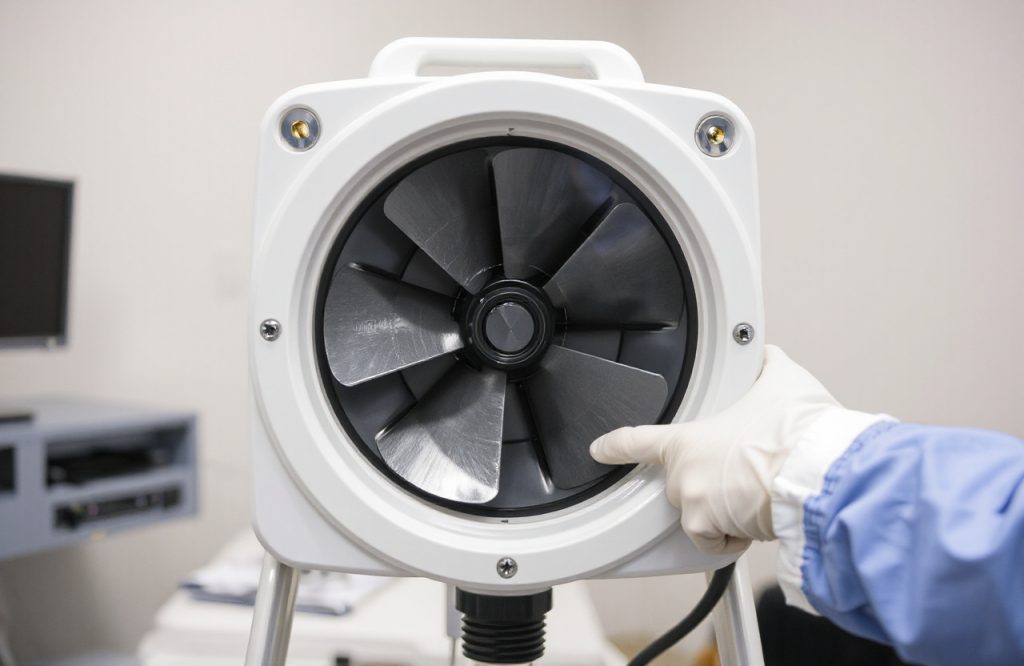
Understanding Ventilators and Their Function
What is a Ventilator?
A ventilator is a life support device designed to assist individuals in breathing when they are unable to do so independently.
The Role of the Respiratory System
Respiratory failure occurs when the respiratory system cannot provide sufficient oxygen to the bloodstream or remove carbon dioxide effectively. The respiratory system consists of organs and tissues essential for breathing, particularly the lungs, which facilitate gas exchange between oxygen and carbon dioxide. Additionally, the chest wall and abdominal muscles act as pumps, moving air in and out of the lungs. When these systems fail, ventilators play a crucial role in supporting respiration.
Causes of Respiratory Failure
Lung failure can arise from various diseases, including pneumonia, pulmonary scarring, and emphysema, which disrupt gas exchange and lead to dangerously low blood oxygen levels. Conditions affecting the respiratory pump, such as sleep apnea, hypothyroidism, and injuries to the lungs or surrounding structures, can result in insufficient ventilation, causing elevated carbon dioxide levels. In some scenarios, patients may experience simultaneous low oxygen and high carbon dioxide levels, commonly seen in asthma, chronic obstructive pulmonary disease (COPD), and pulmonary edema.
Diagnosis and Treatment
Diagnosing respiratory failure typically involves tests to measure blood oxygen and carbon dioxide levels, along with chest X-rays to identify underlying causes. Treatment options include mechanical ventilation and supplemental oxygen. Mechanical ventilation is often employed for patients in intensive care units (ICUs) and those undergoing general anesthesia during surgeries.
How Does a Ventilator Work?
Function of a Mechanical Ventilator
A mechanical ventilator aids or fully takes over the breathing process for individuals unable to breathe on their own. By reducing the effort required for breathing, it allows the patient’s body to recover from illness or injury. The ventilator delivers air enriched with oxygen into the lungs through positive pressure and assists in removing carbon dioxide from the body.
Monitoring Patient Vital Signs
The ventilator is connected to a monitoring system that displays vital signs, including blood pressure, heart rate, respiratory rate, and oxygen saturation levels. Medical personnel, such as doctors, nurses, or respiratory therapists, use this information to evaluate the patient’s condition and make necessary adjustments to the ventilator settings.
Duration of Ventilator Use
The length of time a patient may require a ventilator varies depending on several factors, including their overall health and lung condition prior to ventilation. While most patients may rely on a ventilator for a few hours to several days, some may need extended support.
Potential Risks of Ventilator Use
Using a ventilator can pose risks, including infections like pneumonia, damage to the lungs or vocal cords, fluid accumulation in the lungs, and blood clots.
Ventilator Setup for Air Delivery
Invasive Ventilation
Invasive ventilation is commonly utilized for hospitalized patients in the ICU or those undergoing surgery. This method involves inserting a breathing tube through the patient’s mouth or nose into the trachea, a procedure known as intubation. The tube connects to the ventilator, which delivers air and oxygen directly into the lungs. In some cases, a tracheostomy may be performed, where a tube is surgically inserted directly into the trachea for patients requiring long-term ventilation.
Non-Invasive Ventilation
Non-invasive ventilation is typically used for patients with conditions such as acute exacerbations of COPD, sleep apnea, and cardiogenic pulmonary edema. Research indicates that the effectiveness of non-invasive ventilation is influenced by early diagnosis and timely treatment of respiratory failure.
A 2003 study published in the European Respiratory Journal highlights that non-invasive ventilation can reduce the need for intubation and shorten hospital stays for patients with acute COPD exacerbations and cardiogenic pulmonary edema. This approach also enhances survival rates and minimizes ventilator-associated infections.
In this setup, patients wear a face mask, nasal mask, or helmet that covers the mouth, nose, or both, allowing air from the ventilator to flow into the lungs without the need for a breathing tube. Non-invasive ventilation is often employed in outpatient settings or at home for patients with milder respiratory issues and can assist in weaning patients off ventilators after tube removal.
Conclusion
Ventilators are vital in managing respiratory failure, providing essential support for patients unable to breathe independently. Understanding their operation, types, and associated risks is crucial for effective patient care.
References
C. Roussos, A. Koutsoukou. (2003). Respiratory failure. European Respiratory Journal. doi: 10.1183/09031936.03.00038503
Respiratory Failure. Retrieved from https://www.merckmanuals.com/home/lung-and-airway-disorders/respiratory-failure-and-acute-respiratory-distress-syndrome/respiratory-failure
Mechanical Ventilation. Retrieved from https://www.thoracic.org/patients/patient-resources/resources/mechanical-ventilation.pdf
Ventilator/Ventilator Support. Retrieved from https://www.nhlbi.nih.gov/health-topics/ventilatorventilator-support
Nava S, Hill N. Non-invasive ventilation in acute respiratory failure. Lancet. 2009;374(9685):250-259. doi:10.1016/S0140-6736(09)60496-7
Nava, S., Navalesi, P. & Conti, G. Time of non-invasive ventilation. Intensive Care Med 32, 361–370 (2006). https://doi.org/10.1007/s00134-005-0050-0
L. Brochard. (2003). Mechanical ventilation: invasive versus noninvasive. European Respiratory Journal. doi: 10.1183/09031936.03.00050403
Image by Michael Schwarzenberger from Pixabay