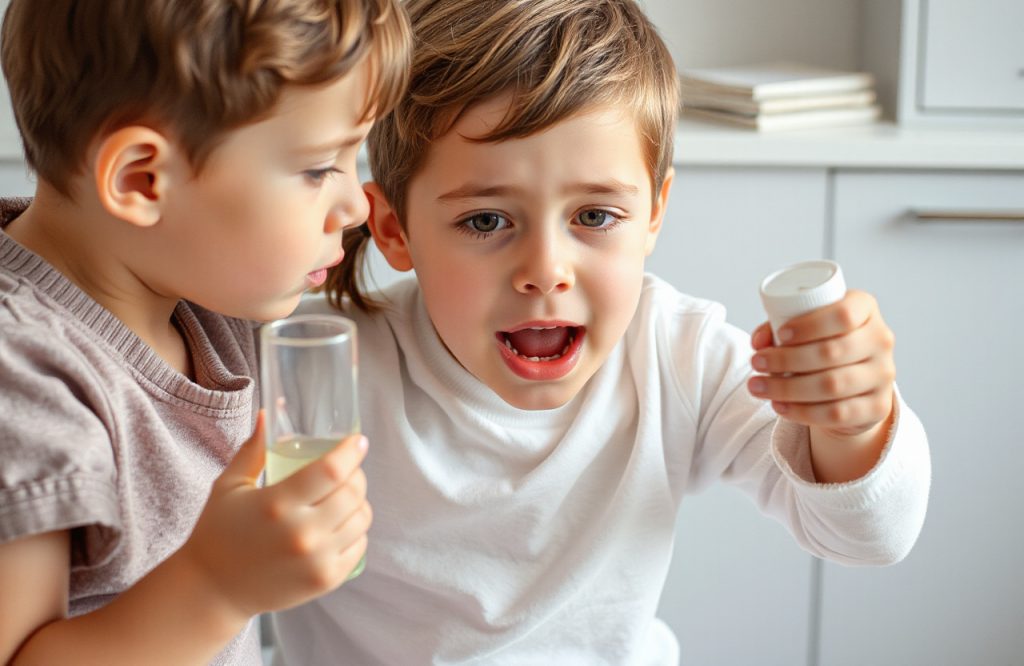
Understanding Children’s Aversion to Medicine
The Challenge for Parents
Getting children to take their medication can be a significant challenge for parents. A primary reason cited by children for rejecting medicine is its bitter taste. This aversion can lead to poor adherence to treatment regimens, potentially resulting in insufficient dosing for young patients.
Genetic Sensitivity to Bitter Taste
Research indicates that humans exhibit varying sensitivities to bitter flavors, primarily due to genetic differences in bitter taste receptors located on the taste buds. Notably, children are generally more sensitive to bitter tastes than adults.
Research Study Overview
To explore the connection between genetic variations in bitter taste perception and medication use in children, researchers conducted interviews with children aged 3 to 10 years. The study involved assessing their experiences with medication and analyzing their saliva samples to determine genetic variations related to bitter taste sensitivity. Additionally, mothers were interviewed regarding their children’s experiences with different medication formulations, such as liquid, pill, or chewable forms.
Findings on Medication Preferences
The results revealed that mothers preferred administering liquid formulations to their children. However, children frequently complained about the “nasty taste” of liquid medicine, leading many to reject it outright. A significant number of these children exhibited genetic sensitivity to bitter tastes. In contrast, children who were less sensitive to bitter flavors reported fewer issues with medication adherence.
Implications for Solid Formulations
The study also highlighted that sensitivity to bitter taste influenced acceptance of solid formulations. It was found that bitter-sensitive children were more likely to accept pills compared to those who are non-tasters.
Recommendations for Future Research
The findings underscore the need to consider genetic variations and prior experiences of both children and their parents when conducting pediatric clinical trials. Addressing these factors may enhance the effectiveness and acceptance of medical formulations in children.
Reference
Mennella JA, Roberts KM, Mathew PS, Reed DR. Children’s perceptions about medicines: individual differences and taste. BMC Pediatrics. 2015; 15:130. doi: 10.1186/s12887-015-0447-z