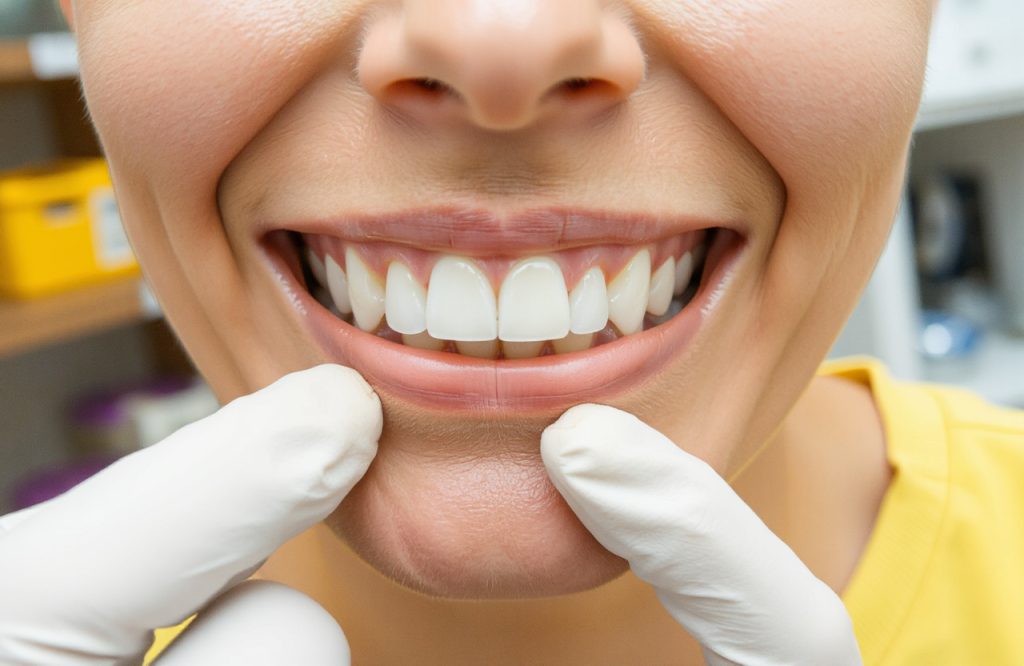
Understanding Oral Health and Tooth Color
The Importance of Oral Health
Oral health is crucial for overall body health, but can teeth be healthy and still appear yellow? Research indicates that a person’s smile significantly influences how they are perceived, particularly during childhood and adolescence. A vibrant smile can enhance self-esteem, and while no single smile is deemed perfect, attributes such as the size, shape, and color of teeth are fundamental to an appealing smile.
However, a healthy smile encompasses more than aesthetics; the condition of one’s teeth and gums is a reliable indicator of general health and well-being. For many individuals, yellowed teeth can be a source of embarrassment. Rather than the bright white featured in advertisements, some may find their teeth appear light yellow. This raises the question: does yellowing indicate poor health?
Tooth Anatomy and Color
To address this question, it’s essential to understand tooth anatomy. The visible portion of the tooth, known as the crown, is coated with enamel. Beneath the enamel lies the dentin, and at the center of the tooth is the pulp. Tooth enamel primarily consists of calcium phosphate in the form of hydroxyapatite, which is naturally white or colorless. As we age and due to various factors, tooth color can change, and stains may develop.
There are two main types of stains that can affect tooth color: intrinsic and extrinsic stains. Intrinsic stains occur beneath the enamel, affecting the dentin layer. They can lead to yellowing due to factors such as genetic conditions, certain medications, or medical products. These stains are challenging to remove through standard oral hygiene practices.
Extrinsic stains, on the other hand, are found on the surface of the enamel. They often arise in hard-to-reach areas and can be attributed to various factors, resulting in a naturally yellow appearance.
Causes of Yellow Teeth
Plaque Build-Up
One common cause of yellow teeth is plaque build-up. Plaque is a clear, sticky layer of bacteria that accumulates on teeth when they are not brushed regularly. Poor oral hygiene can lead to this build-up, resulting in a yellow appearance. If left untreated, the bacteria in plaque can mix with sugars or starches from food, producing acid that may lead to tooth decay. Teeth affected by plaque build-up are not considered healthy.
Chewing Tobacco
Another cause of yellow teeth is the use of chewing tobacco. Prolonged use can stain teeth, causing discoloration that penetrates through the enamel and dentin, potentially turning the roots of teeth brown or black. Chewing tobacco products often contain sugar, further contributing to tooth decay. Teeth that are yellowed due to chewing tobacco are unhealthy, and its use is linked to severe health risks, including cancer.
Food and Drinks
Certain foods and beverages can also stain teeth. Common culprits include coffee, tea, and red wine, along with foods like blueberries and beets. These items contain chromogens, color pigments that adhere to the enamel, leading to staining. While it is possible for healthy teeth to be yellowed from consuming these items, maintaining good oral hygiene can help minimize stains.
Addressing Yellow Teeth
If you are concerned about the yellow appearance of your teeth, there are numerous teeth whitening products available that are safe for at-home use. Additionally, professional whitening treatments can be performed by dentists. For personalized advice on teeth whitening options, it is advisable to consult your dentist.
References
1. Rossini G, Parrini S, Castroflorio T, Fortini A, Deregibus A, Debernardi CL. “Children’s perceptions of smile esthetics and their influence on social judgment.” Angle Orthod. 2016 Nov;86(6):1050-1055. doi: 10.2319/102715-722.
2. Pandian A, Ranganathan S, Padmanabhan S. “Enamel color changes following orthodontic treatment.” Indian J Dent Res. 2017 May-Jun;28(3):330-336. doi: 10.4103/ijdr.IJDR_404_15.
3. Leckenby J, Grobbelaar A. “Smile restoration for permanent facial paralysis.” Arch Plast Surg. 2013 Sep;40(5):633-8. doi: 10.5999/aps.2013.40.5.633.
4. Manjula WS, Sukumar MR, Kishorekumar S, Gnanashanmugam K, Mahalakshmi K. “Smile: A review.” J Pharm Bioallied Sci. 2015;7(Suppl 1):S271-S275.
5. Gavric A, Mirceta D, Jakobovic M, Pavlic A, Zrinski MT, Spalj S. “Craniodentofacial characteristics, dental esthetics-related quality of life, and self-esteem.” Am J Orthod Dentofacial Orthop. 2015 Jun;147(6):711-8.
6. Babakhanov, A. “Teeth staining prevention and treatment.” The Dental Assistant. Jan/Feb 2019;88(1):9-10.
7. U.S. Department of Health and Human Services. “Oral Health in America: A Report of the Surgeon General.” Rockville, MD: U.S. Department of Health and Human Services, National Institute of Dental and Craniofacial Research, National Institutes of Health, 2000.
8. Kapadia, Y. and Jain, V. “Tooth staining: a review of etiology and treatment modalities.” Acta Scientific Dental Sciences. 2018 Jun 6; 2(6): 67-70.
9. Chałas R, Wójcik-Chęcińska I, Woźniak M, Grzonka J, Święszkowski W, Kurzydłowski K. “Dental plaque as a biofilm – a risk in oral cavity and methods to prevent.” Postępy Higieny i Medycyny Doświadczalnej. 2015;69:1140-1148.
10. Ada.org. “Plaque Attack.” 2021. Accessed January 27, 2021.
11. Muthukrishnan A, Warnakulasuriya S. “Oral health consequences of smokeless tobacco use.” Indian J Med Res. 2018;148(1):35-40.
12. “Tooth Whitening.” Mouthhealthy.org. 2021. Accessed January 27, 2021.
13. “Reduction of Tooth Stains.” Registered Dental Hygienist (RDH) Magazine. 2021. Accessed January 27, 2021.