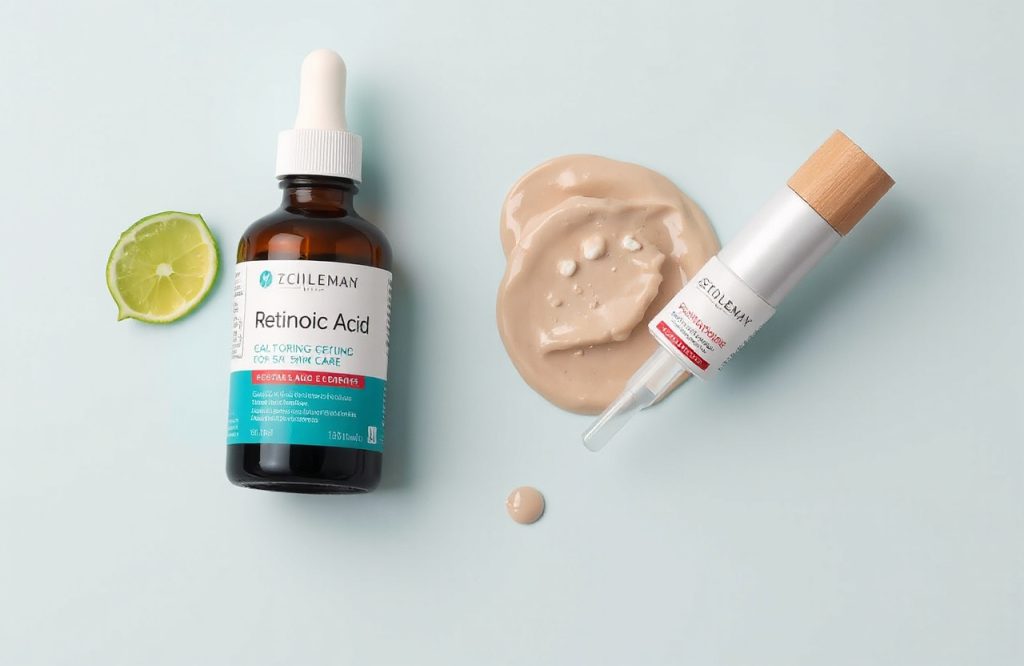
The Rise of Cosmeceuticals in the 2020s
Changing Landscape of Skin Care
The 2020s are emerging as a pivotal decade for cosmeceuticals. Skin care is no longer a niche interest; clinical-grade products are increasingly dominating both luxury brands and mainstream cosmetics. Among these, Retinoic Acid, or vitamin A, stands out as a particularly complex example of this trend. With various forms, dosages, and talks of EU bans, selecting the right products can be challenging. Today, many online skincare enthusiasts possess chemistry knowledge rather than traditional cosmetology backgrounds. However, with the right context, anyone can adeptly navigate ingredient lists, and this guide aims to assist you.
Understanding Vitamin A
The Historical Context
While many are familiar with vitamin A’s association with carrots and vision improvement, its topical application—retinoids—remains one of the most potent skincare ingredients available. The use of vitamin A for skin care dates back to the mid-20th century. A significant study on retinoic acid was published in 1943 by J. V. Straumfjord in Northwestern Medicine. His research, titled “Vitamin A: its effect on acne,” revealed the effectiveness of vitamin A in treating acne vulgaris. In his study, 100 patients received 100,000 IU of vitamin A daily for six months, resulting in substantial improvement for 79 participants.
Retinoic Acid and Its Anti-Aging Benefits
Following the positive results for acne treatment, dermatologists recognized retinoic acid’s potential for skin rejuvenation. Retinoids enhance skin turnover, boost collagen production, smooth the skin, and help prevent fine lines and wrinkles. Their multifaceted mechanisms affect skin cell dynamics, including growth, death, and differentiation. For instance, retinoids stimulate keratinocyte growth, enhancing the skin’s protective barrier against environmental stressors like UV rays and moisture loss. Additionally, retinoids inhibit enzymes that degrade collagen, a crucial protein that maintains skin elasticity and volume, which declines with age.
Types of Retinoic Acid Preparations
Exploring Topical Vitamin A Options
Today, consumers have access to various topical vitamin A formulations. The efficacy of these retinoids varies based on how many conversion steps are required for them to become bioavailable in the skin. Generally, the fewer the steps, the more potent the retinoid.
Retinyl Esters
Retinyl esters represent the mildest form of retinoic acid, commonly found in products like Derma E Anti-Wrinkle Renewal Cream and Paula’s Choice Triple Active Total Repair Serum. This form requires multiple conversions to become bioavailable, starting with retinol and involving several enzymatic steps.
Retinol
Retinol is a more potent form of retinoid, available in various concentrations, such as those offered by The Ordinary. It requires only two enzymatic conversions to become active, making it a popular choice for many users.
Retinaldehyde
Retinaldehyde is a fast-acting retinoid often found in clinical-grade serums. Products like Paula’s Choice PRO Retinaldehyde Dual-Retinoid Treatment showcase this potent form, which serves as both an exfoliant and an anti-aging agent, needing only one enzymatic conversion for activation.
Tretinoin
Tretinoin is the active, unmodified form of vitamin A. While it is immediately bioavailable and highly effective, it can also cause dryness and irritation, requiring a prescription for use. It is often prescribed for acne treatment and other cosmetic applications, necessitating medical supervision.
Selecting the Right Retinoid
Guidance for Beginners
For those new to retinoids, making an informed choice is crucial. Stronger formulations are not always better, particularly for individuals with sensitive skin. Starting with milder retinyl esters and gradually increasing frequency and potency can mitigate potential side effects like redness and irritation. If improvement is insufficient, transitioning to lower concentrations of retinol may be appropriate, with stronger options typically requiring a doctor’s consultation.
The Mechanism of Retinoic Acid
Understanding How It Works
Despite extensive research, the precise mechanism of retinoic acid remains partially understood. It binds to Retinoic Acid Receptors (RAR) and Retinoid X Receptors (RXR) in skin cells. Being fat-soluble, retinoic acid can easily penetrate cell membranes, activating gene expression related to skin renewal. Interestingly, retinoic acid exists in two isomers: fully-trans and 9-cis forms, both of which influence cell proliferation and differentiation.
Nuclear Receptors and Gene Activation
Nuclear receptors function as keyholes for RAR and RXR, initiating a cascade of biological events that promote skin turnover, reduce collagen degradation, and stimulate cell proliferation. This ultimately leads to smoother skin, improved evenness, and enhanced facial plumpness.
Future Developments in Retinoid Research
Ongoing Innovations
Research into optimizing retinoid effectiveness continues. Companies like Sederma are exploring liposome delivery systems to enhance bioavailability. New retinoids such as hydroxypinacolone retinoate (HPR) show promise for similar efficacy as tretinoin without the associated side effects. As the skincare landscape evolves, retinoids like retinol and tretinoin remain well-researched and reliable options for those aiming to reduce visible signs of aging.
References for Further Reading
For those interested in the historical context of retinoids in skin care, the original 1943 article linking vitamin A to skin treatment is available for further exploration.