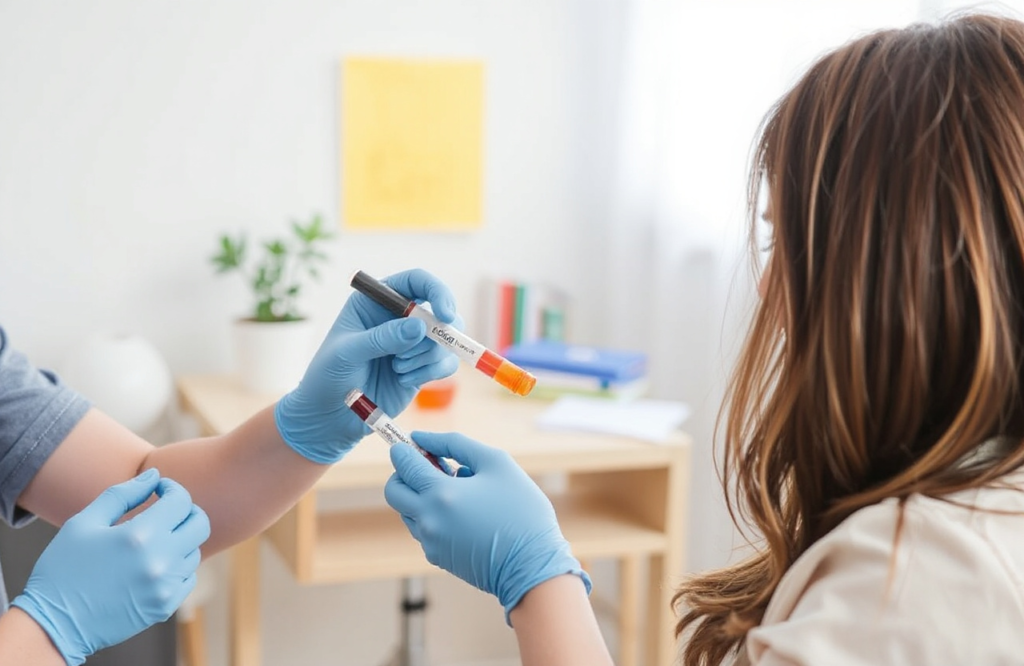
Get Accurate Results with Blood Tests at Home
The Convenience of At-Home Blood Testing
At-home blood testing provides a convenient solution for individuals seeking to bypass the long wait times typically associated with traditional healthcare settings. Modern testing kits allow users to monitor vital health indicators from the comfort of their homes, ensuring accuracy and prompt results. These tests assess crucial health aspects, including cholesterol levels, diabetes management, thyroid function, and vitamin deficiencies, facilitating early detection of potential health issues. By taking a proactive approach to health, individuals can make informed decisions that may reduce the necessity for in-person medical consultations.
User-friendly kits come equipped with clear instructions, finger-prick devices, and secure online access to results. Many kits also offer professional evaluations and follow-up recommendations, helping users better understand their findings. As preventive healthcare gains popularity, at-home blood tests are becoming essential tools for effective health monitoring.
Understanding Home Blood Tests
Home blood tests streamline health management by eliminating the need for visits to medical facilities. Users can collect small blood samples at home and send them to certified laboratories for analysis. A typical kit includes:
– A sterile lancet for blood collection
– A collection tube or card for the blood sample
– Clear, step-by-step instructions
– A prepaid return envelope or shipping label for sending samples
– An online portal for secure access to results
The process is simple: users obtain a few drops of blood through a fingertip prick and mail the sample using the provided materials. Results are generally available online within a few days, accompanied by detailed explanations. These kits prioritize safety and accessibility, making health management feasible for individuals with varying levels of medical expertise.
Types of Home Blood Tests Available
Various home blood tests cater to different health needs, including:
Basic Health Panels
– Complete Blood Count (CBC): Evaluates red and white blood cells and platelets.
– Basic Metabolic Panel: Assesses glucose, electrolytes, and kidney function.
– Lipid Panel: Monitors cholesterol and triglyceride levels.
Specialized Testing
– Thyroid Function Tests: Measures TSH, T3, and T4 levels.
– Vitamin D Testing: Crucial for bone health.
– Hemoglobin A1C: Tracks long-term blood sugar levels.
– Iron Studies: Evaluates anemia or iron overload.
Advanced Screening
– Comprehensive Metabolic Panel: An extensive version of basic panels.
– Inflammatory Markers: Tests for C-reactive protein (CRP).
– Hormone Testing: Analyzes testosterone, cortisol, and other hormones.
– Food Sensitivity Tests: Identifies potential food allergies.
Benefits of At-Home Blood Testing
Convenience and Time-Saving
At-home blood test kits eliminate the need for in-person appointments and the associated wait times. Users can conduct tests at their convenience, making this option particularly appealing for busy individuals or those with mobility challenges. This method significantly reduces travel time and stress, facilitating effective health management.
Comfort and Privacy
Collecting samples at home provides a more comfortable experience than clinic visits. Home testing also maintains privacy, especially for sensitive tests such as STD evaluations or genetic screenings, allowing individuals to proceed at their own pace.
Affordable and Practical Healthcare
Generally, at-home blood tests are more cost-effective than traditional methods that involve doctor visits and lab work. When factoring in costs related to appointments, travel, and time away from work, home testing proves to be a financially viable alternative. Many kits offer comprehensive health panels at significantly lower prices, enhancing access to routine testing.
Frequent Health Monitoring
The user-friendly design of home test kits encourages regular health assessments, which is particularly beneficial for individuals managing chronic conditions such as diabetes or thyroid disorders. This ongoing monitoring allows for timely adjustments to treatment plans.
Fast and Reliable Results
Most home blood tests deliver results within 2 to 5 business days after laboratory analysis. Some rapid test kits can provide results in just a few minutes, making them suitable for straightforward evaluations like blood sugar or cholesterol levels. Quick feedback facilitates timely decision-making, improving health management.
How to Choose the Right Home Blood Test Kit
Consider Your Health Goals
Before selecting a kit, clarify your testing objectives:
– For routine health screenings, choose comprehensive panels.
– For specific health concerns, opt for targeted tests.
– For chronic condition management, seek specialized kits.
Check Lab Certifications
Ensure that the testing laboratory holds:
– CLIA certification (Clinical Laboratory Improvement Amendments)
– CAP accreditation (College of American Pathologists)
– FDA approval for the specific tests offered.
Read Reviews and Research
Evaluate feedback from verified customers, focusing on:
– Ease of use
– Accuracy of results
– Quality of customer service
– Shipping and handling experiences
Compare Testing Methods
Different kits utilize various collection techniques:
– Finger prick tests: The most common method requiring minimal blood.
– Saliva tests: Used for hormone evaluations.
– Urine tests: Utilized for specific metabolic markers.
Step-by-Step Guide to Taking Blood Tests at Home
Before You Begin
– Thoroughly review the instruction manual to understand the process.
– Wash your hands with warm water to reduce contamination risks.
– Prepare a clean, well-lit workspace with all kit items ready.
– Drink a glass of water at least 30 minutes before testing to enhance blood flow.
Collecting Your Sample
– Warm your hands gently to promote blood flow.
– Clean your fingers with the included alcohol wipe.
– Use the lancet quickly on the side of your fingertip to minimize discomfort.
– Allow blood to drop naturally into the collection device as instructed.
– After collecting the sample, apply a clean tissue or gauze to the puncture and secure it with the provided bandage.
After Sample Collection
– Clearly label your sample using the provided stickers to avoid confusion.
– Package your sample according to the provided instructions.
– Mail your sample promptly using the prepaid shipping label to prevent delays.
– If necessary, register your kit online using the code or link provided.
Tips for Accurate Home Blood Test Results
Timing Is Important
– Fasting Tests: If required, avoid eating or drinking (except water) for 8 to 12 hours before sample collection.
– Best Time of Day: For hormone tests, collect samples early in the morning when hormone levels are stable.
– Avoid Alcohol: Refrain from consuming alcohol for 24 hours prior to testing, as it may affect results.
– Be Consistent: For regular testing, collect samples at the same time each day to ensure reliable tracking.
Tips for a Good Sample
– Collect Enough Blood: Ensure you gather the required amount to avoid invalid results.
– Keep It Clean: Avoid touching the sample area or the inside of the collection tube/card to prevent contamination.
– Act Quickly: Complete the sample collection promptly, as some samples may lose accuracy if delayed.
– Don’t Over-Squeeze: While promoting blood flow is important, excessive squeezing may introduce tissue fluid, affecting test accuracy.
Environmental Care for Your Sample
– Room Temperature Matters: Store the sample at room temperature as recommended before mailing.
– Avoid Temperature Extremes: Do not expose the kit to high heat or freezing conditions during storage or shipping.
– Send It Soon: Mail your sample promptly, ideally within 24 to 48 hours, to ensure freshness and accuracy.
Understanding Your Test Results
Upon receiving your blood test results, a section detailing reference ranges will indicate normal values based on age, gender, and health status. If your result falls slightly outside the normal range, it is essential to remain calm; minor fluctuations can occur due to factors such as stress, recent illnesses, or dietary changes and do not always signify a significant concern.
Important Health Markers to Know
Common markers found in home blood tests and their typical significance include:
– Blood Sugar (Glucose): Healthy fasting levels range from 70–100 mg/dL. Elevated levels may indicate prediabetes or diabetes.
– Cholesterol: Total cholesterol should be below 200 mg/dL, with high HDL (good cholesterol) and lower LDL (bad cholesterol) and triglycerides.
– Thyroid-Stimulating Hormone (TSH): Normal levels typically range from 0.4 to 4.0 mIU/L. Abnormal values may suggest thyroid dysfunction.
– Vitamin D: Optimal levels for bone health and immune function should range from 30–50 ng/mL.
Looking at Patterns, Not Just One Result
An isolated abnormal result does not necessarily indicate a health issue. Observing trends over time is more beneficial. For example, a gradual increase in blood sugar or cholesterol levels may warrant closer attention, while temporary factors like illness, medication changes, or dietary fluctuations can influence results.
When to Consult a Healthcare Professional
Red Flag Results
Certain blood test results may indicate serious health concerns that require immediate medical attention. Contact a healthcare provider if your report shows:
– Extremely high or low blood sugar levels.
– Signs of severe anemia (e.g., very low hemoglobin or red blood cell counts).
– Abnormal kidney function, such as unusual creatinine or BUN levels.
– Elevated liver enzymes, which may suggest liver stress or damage.
Why Follow-Up Still Matters
Even when results fall within normal ranges, consulting a healthcare professional is crucial if you experience:
– Persistent symptoms such as fatigue, dizziness, or unexplained pain.
– A family history of serious conditions like diabetes, heart disease, or thyroid disorders.
– Questions about your report or a need for further testing.
Your healthcare provider can help contextualize your results within your overall health history.
Work Together with Your Doctor
While home blood tests offer valuable tools for health monitoring, they should not replace regular check-ups. Utilize these tests to stay informed and share your results with your healthcare provider. This collaborative approach enhances decision-making regarding lifestyle, medications, or necessary treatments, ultimately improving your overall well-being.
Safety and Accuracy Concerns
How Home Blood Testing Ensures Quality
Reputable home blood test providers adhere to strict standards to guarantee accurate and safe results by:
– Conducting regular accuracy checks on tests.
– Collaborating with certified and reliable laboratories.
– Employing trained professionals to review each sample.
– Verifying results through secure methods.
These measures maintain trust and ensure responsible handling of your health data.
Things to Keep in Mind
While home testing offers numerous advantages, it also has limitations:
– Sample quality is crucial; improper collection may lead to inaccurate results.
– Some complex tests may still require hospital or lab visits.
– Immediate assistance may not be available to clarify confusing results.
– As with all medical tests, there is potential for false positives or negatives.
Tips to Stay Safe
To minimize errors and ensure reliable results, consider the following:
– Choose test kits approved by health authorities (e.g., FDA or ICMR).