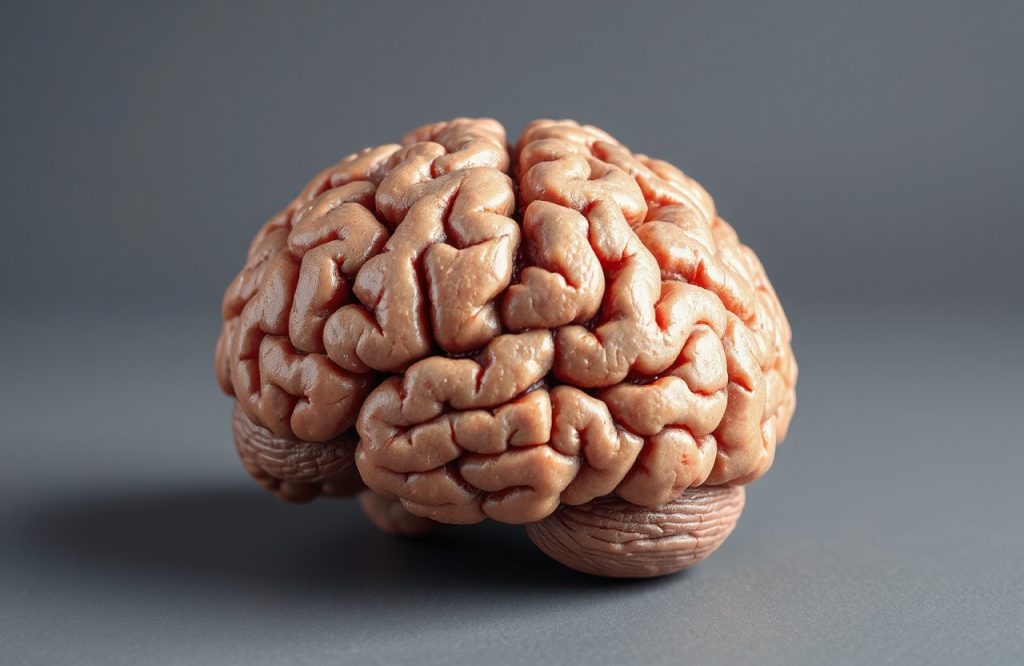
Impact of Dietary Fats on Neuronal Health
Understanding the Connection between Fat Consumption and Brain Function
Recent research from Brazil has revealed significant insights into how regular consumption of dietary fats can damage neurons responsible for regulating food intake and energy expenditure. The question arises: what impact does dietary fat have on our brains? The answer is substantial.
The Role of the Mediobasal Hypothalamus
The mediobasal hypothalamus (MBH) is a critical brain region that contains neurons functioning as nutrient sensors. These neurons play a vital role in managing food consumption and energy balance. Under normal circumstances, the MBH works to align the calories we consume with our energy needs, which is essential for maintaining a healthy weight. However, a high-fat diet can disrupt this balance, leading to weight gain.
Effects of Hypothalamic Inflammation
Research indicates that hypothalamic inflammation can occur as soon as one day after starting a high-fat diet. Prolonged exposure to such diets can result in irreversible damage to the hypothalamic neurons, ultimately leading to leptin and insulin resistance.
Insights from Recent Animal Study
A study published in the Journal of Neuroinflammation employed an animal model to further investigate how dietary fats affect the brain. The researchers focused on the relationship between fat ingestion and the inflammatory response activation in the hypothalamus, which contributes to weight gain.
The findings revealed significant biochemical changes in mice fed a high-fat diet, highlighting a series of biochemical processes involving molecules that sense energy intake. Notably, the study demonstrated that neurotrophic factors, which usually offer protection against the adverse effects of a high-fat diet, are compromised with sustained high-fat consumption.
Implications for Human Health
While the study utilized animal subjects, the implications for human health are profound. If these findings are applicable to humans, they suggest that the overconsumption of rich and fatty foods could lead to both functional and structural alterations in the brain.
Reference
Ramalho, A. F., Bombassaro, B., Dragano, N. R., Solon, C., Morari, J., Fioravante, M., … & Araujo, E. P. (2018). Dietary fats promote functional and structural changes in the median eminence blood/spinal fluid interface—the protective role for BDNF. Journal of Neuroinflammation, 15(1), 10. DOI: 10.1186/s12974-017-1046-8.