Effectiveness of Chemical Peels for Acne: A Study Overview
Introduction to Acne and Treatment Options
In a recent study published in BMJ Open, researchers assessed the existing evidence on the effectiveness of chemical peels in treating acne. Acne is a prevalent skin condition that affects many adolescents across various ethnic groups and can significantly influence self-esteem. It can be categorized into non-inflammatory and inflammatory types. Treatment options include systemic therapies, such as oral antibiotics, topical therapies, and physical therapies like laser treatment and chemical peels.
Understanding Chemical Peels
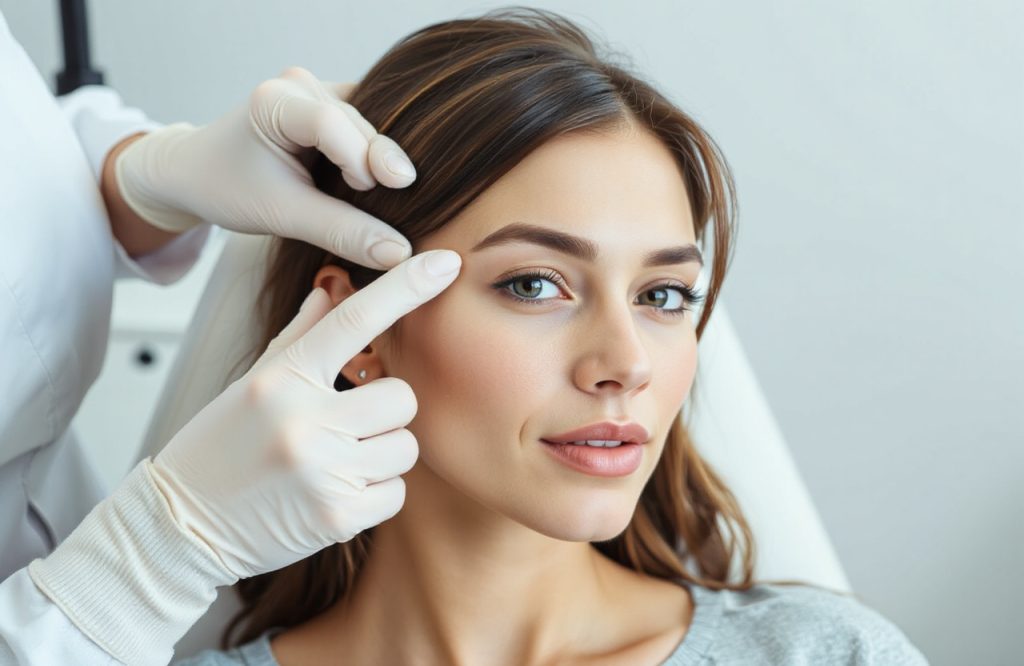
Chemical peeling is a procedure that induces controlled injury to the skin, stimulating the regeneration of new skin tissue. Chemical peels are classified into three categories based on the depth of skin injury: superficial, moderate, and deep. Superficial chemical peels are commonly recommended for acne due to their antibacterial, anti-inflammatory, and skin exfoliating properties. They also help reduce oil production, which can contribute to acne development.
Limitations of Current Evidence
Despite the popularity of chemical peels for acne treatment, the evidence supporting their effectiveness remains limited. Current guidelines are based on outdated studies, overlooking potentially significant new data. Consequently, the researchers sought to compile and summarize the latest findings on the effectiveness of chemical peels for acne.
Review of Previous Studies
The systematic review conducted by researchers in China focused on evaluating the efficacy of chemical peels for acne treatment. They reviewed the literature for eligible trials that involved chemical peels used for acne across different populations. Two authors independently selected studies, extracted data, and assessed potential biases. Due to notable variations among the included studies, a meta-analysis was not feasible.
Study Details and Findings
The review incorporated twelve randomized controlled trials involving a total of 387 participants and highlighted eleven different treatment comparisons of chemical peels for acne. The researchers identified eight distinct chemical peel treatments:
– Trichloracetic acid (TCA)
– Salicylic acid (SA)
– Jessner’s solution
– Salicylic acid plus mandelic acid (MA)
– Glycolic acid (GA)
– Amino fruit acid (AFA)
– Pyruvic acid (PA)
– Lipohydroxy acid (LHA)
The comparisons included various chemical peels, a chemical peel versus physical therapy (e.g., phototherapy), and a chemical peel versus placebo.
General Efficacy of Chemical Peels
The findings indicated that chemical peels generally serve as an effective treatment method for acne. The comparisons among the different chemical peels showed similar efficacy, with the combination of salicylic acid and mandelic acid demonstrating greater peeling effectiveness than glycolic acid alone. Participants tolerated the chemical peels well, with common side effects including temporary burning, stinging sensations, redness, scaling, or dryness. Hyperpigmentation was reported as a rare side effect.
Limitations of the Review
The analysis and review faced limitations due to significant differences among the twelve studies, including variations in participant skin types, treatment interventions (such as chemical peel concentrations and durations), and outcome measurements. Most studies displayed low to moderate quality, increasing potential bias. Additionally, the limited sample sizes hinder the ability to identify all adverse effects, particularly rare ones. Notably, this represents the first systematic review evaluating chemical peels for acne.
Conclusion and Future Directions
In conclusion, the researchers determined that commonly used chemical peels appear relatively equivalent in treating mild to moderate acne. The selection of a specific chemical peel for treatment should be tailored to each patient. However, firm conclusions regarding the superiority of any chemical peel could not be established. Future well-designed studies are essential to develop higher quality evidence that can inform clinical practice regarding the optimal formulations and regimens of chemical peels for acne.
Written by Maggie Leung, PharmD
Reference: Chen X, Wang S, Yang M, et al. Chemical peels for acne vulgaris: a systematic review of randomised controlled trials. BMJ Open 2018;8:e019607. doi:10.1136/bmjopen-2017-019607