Understanding the Importance of Sleep Tracking
Sarah’s Journey to Improved Sleep
Sarah believed she had a good handle on her sleep habits, spending what appeared to be a healthy eight hours in bed each night. However, she often felt fatigued during the day. It was only after she began meticulously tracking her sleep patterns that she realized the reality: despite spending eight hours in bed, her actual quality sleep time was around five hours. This insight changed her perspective on sleep and her overall health. In this article, we will delve into how monitoring your sleep patterns can provide crucial insights into your well-being.
The Science Behind Sleep Tracking
Advanced Insights Beyond Duration
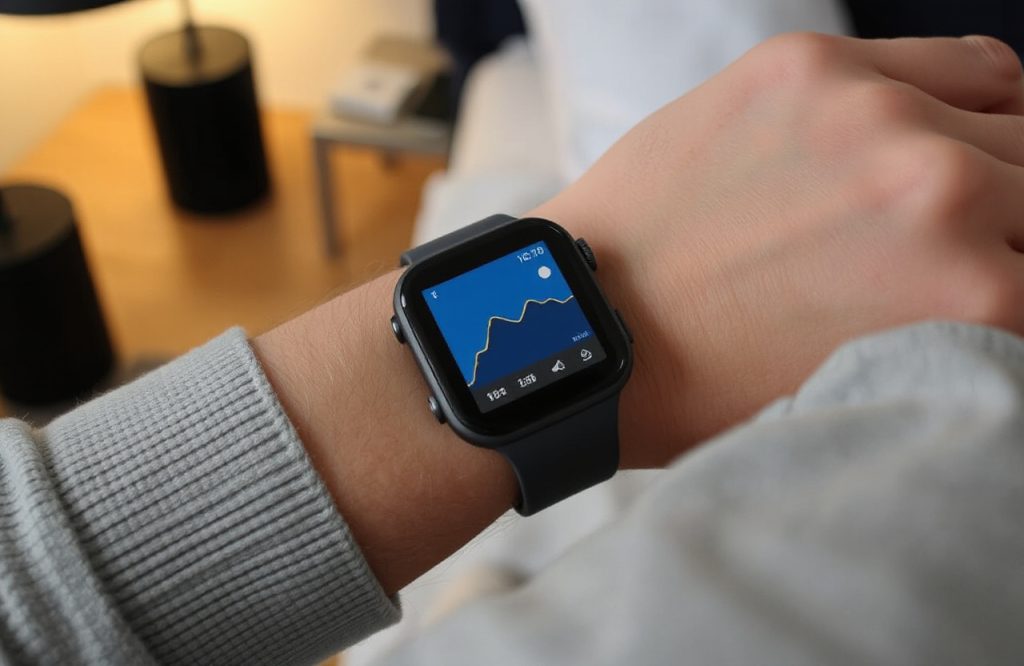
Modern sleep tracking involves much more than simply measuring how long you sleep. While online sleep calculators can help determine optimal bedtimes based on sleep cycles, today’s advanced technology offers deeper insights into sleep quality. Current devices can track various metrics, including heart rate fluctuations and minute body movements during sleep, allowing for a better understanding of healthy sleep patterns.
Understanding Sleep Stages
During a typical night, your body transitions through several distinct sleep stages, each serving a vital biological function. These stages include:
– **Light Sleep:** Responsible for memory processing and basic bodily functions.
– **Deep Sleep:** Crucial for physical restoration and immune system support.
– **REM (Rapid Eye Movement) Sleep:** Important for emotional regulation and cognitive performance.
Consumer sleep tracking devices typically measure these patterns using various proxies, such as:
– Movement patterns to indicate sleep stages
– Heart rate variability to assess stress and recovery
– Breathing rates to identify sleep disruptions
– Environmental data to monitor optimal sleeping conditions
While medical-grade sleep studies are the gold standard for diagnosing sleep disorders, consumer devices can still provide valuable insights into sleep patterns and their implications for health.
Key Sleep Metrics to Monitor
Sleep Duration and Efficiency
The actual time spent sleeping can differ significantly from the total time spent in bed. Sleep efficiency, which is the percentage of time in bed spent sleeping, often provides a clearer picture of rest quality. A healthy sleep efficiency typically exceeds 85%. For example, if you are in bed for eight hours, you should aim to be asleep for at least 6.8 hours.
Sleep Latency and Disruptions
Sleep latency, or the time it takes to fall asleep, along with the frequency of nighttime awakenings, offers crucial insights into sleep quality. Ideally, sleep latency should fall between 10 to 20 minutes. Falling asleep too quickly can indicate severe sleep deprivation, while taking more than 30 minutes may suggest potential sleep onset issues.
Monitoring Sleep Stages
It is essential to monitor the percentages of deep sleep and REM sleep. A healthy sleep architecture typically includes:
– 50-60% light sleep
– 20-25% deep sleep
– 20-25% REM sleep
Significant deviations from these ranges could suggest underlying health issues or lifestyle factors impacting sleep quality.
Nighttime Vitals
Tracking your heart rate, breathing rate, and movement during sleep can yield surprising health insights. For instance, a consistently elevated nighttime heart rate may indicate stress, illness, or overtraining. Frequent body movements during sleep can signal anything from minor caffeine sensitivity to more serious sleep disorders.
Health Insights from Sleep Data
Stress and Recovery
Monitoring changes in heart rate variability during sleep is essential, as lower variability often indicates high stress levels or insufficient recovery from physical activity. An increase of more than five beats per minute above your baseline resting heart rate could suggest overtraining, illness, or significant stress, prompting necessary adjustments to daily routines.
Exercise Impact
Sleep tracking can illuminate the intricate relationship between physical activity and sleep quality. While regular exercise usually enhances sleep, intense workouts too close to bedtime may disrupt it. Data might reveal longer sleep latency or less deep sleep following late workouts, enabling you to optimize your exercise schedule.
Dietary Influences
Your sleep patterns can also reflect your dietary habits. Late meals often correlate with decreased sleep efficiency and increased nighttime movement. Additionally, caffeine can significantly affect sleep, with data indicating its impact even from morning consumption. This information aids in making informed decisions about meal timing and substance intake.
Common Sleep Pattern Disruptions
Environmental Factors
The environment of your bedroom plays a crucial role in sleep quality. Tracking may show that slight temperature changes correlate with sleep disruptions. While the ideal sleeping temperature varies among individuals, monitoring can help identify your personal optimal range, as well as patterns related to noise and light exposure.
Travel and Schedule Changes
Sleep tracking proves particularly beneficial when adjusting to travel or schedule changes. The data can reveal how long it typically takes your body to adapt to new time zones, assisting in planning recovery periods. This information is especially useful for frequent travelers or shift workers looking to develop effective adaptation strategies.
Making Sense of Your Data
Establish Your Baseline
To transform raw sleep data into actionable insights, begin by tracking your sleep for at least two weeks under typical conditions. Look for consistency in timing, duration, and quality metrics, establishing a baseline that serves as a reference for identifying unusual patterns.
Identify Pattern Changes
Be attentive to deviations from your established baseline. Short-term changes may indicate temporary stressors, while persistent shifts could signal developing health issues. Look for connections between lifestyle factors and changes in sleep quality.
When to Seek Professional Help
Consider consulting a healthcare provider if you experience:
– Consistent sleep efficiency below 75%
– Regular significant variations in sleep patterns
– Persistent changes in deep sleep or REM percentages
– Unusual nighttime vital signs
Looking Ahead
The future of sleep tracking promises even deeper insights into health. Emerging technologies are likely to provide more accurate measurements and predictive analytics, helping identify potential health issues before symptoms arise. Some systems are already beginning to integrate sleep data with other health metrics, offering a more comprehensive view of overall wellness.
Remember that sleep tracking is a tool for understanding and enhancing your health, not a source of anxiety. Use the data to make informed lifestyle choices while ensuring it does not interfere with your rest. The objective is to achieve better sleep and health, rather than perfect numbers.
Conclusion
In conclusion, by recognizing the importance of sleep tracking and understanding the various metrics involved, individuals can take proactive steps toward improving their sleep quality and overall well-being.