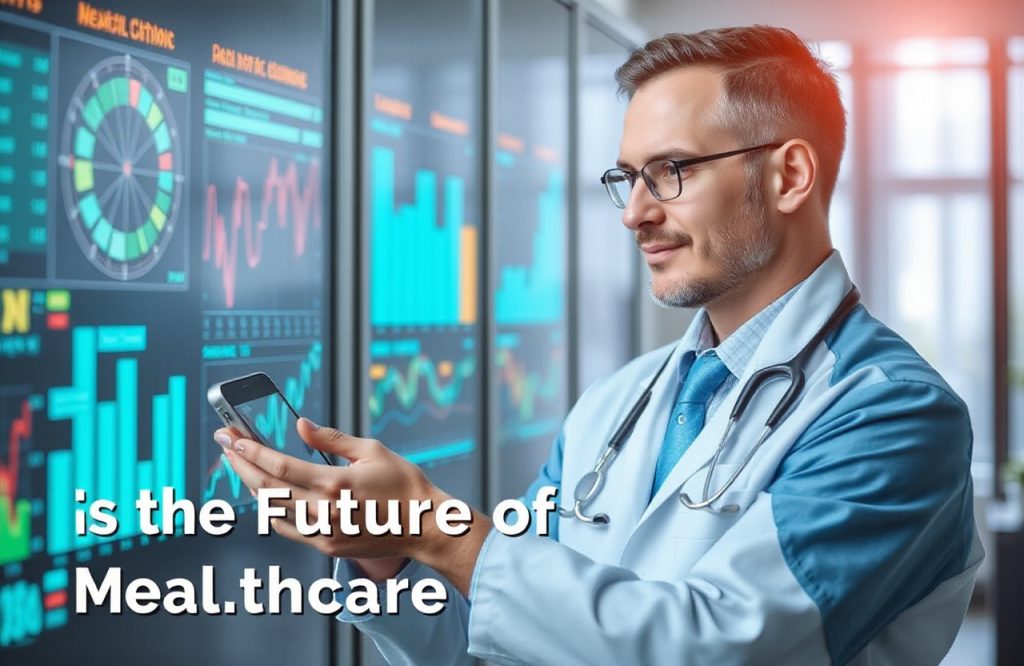
Addressing Health Challenges in Kentucky
Overview of Healthcare Issues
Kentucky has long grappled with significant health challenges, including chronic diseases such as diabetes, heart disease, and cancer, which affect thousands of residents. This ongoing struggle places considerable pressure on hospitals and clinics. However, the issues extend beyond Kentucky, as healthcare systems across the globe face similar difficulties. The core problem is not a shortage of effort or funding, but rather the management of data.
The Challenge of Data Management
Every hospital visit, prescription, and follow-up generates data, yet much of this information remains dispersed across various systems, making effective utilization nearly impossible. A considerable amount of valuable data often goes unexploited. This is where data analytics is revolutionizing the healthcare landscape.
By employing data tools that organize, interpret, and predict trends, healthcare managers can base their decisions on solid evidence rather than assumptions, allowing them to foresee issues, enhance care, and reduce costs.
Managing Rising Healthcare Costs with Data Insights
The Financial Strain on Healthcare
As healthcare costs continue to escalate, hospitals, patients, and entire communities are feeling the financial burden. Leaders are faced with the challenge of managing shrinking budgets while still providing essential services. Data analytics emerges as a crucial solution to this complex problem.
Identifying Inefficiencies
By merging financial data with patient information, administrators can pinpoint wasteful spending patterns. Data analytics can reveal issues such as:
– Duplicate tests ordered for the same patient
– Overstocked or underused supplies
– Medical equipment sitting idle
– Unnecessary overtime due to scheduling
These insights highlight inefficiencies clearly. Predictive models can forecast patient demand, enabling better planning for staffing and supplies, allowing hospitals to proactively manage resources rather than react to shortages.
Enhancing Patient Outcomes Through Predictive Modeling
Early Risk Detection
One of the most promising applications of analytics in healthcare is predictive modeling, which empowers hospitals to identify risks before patients become critically ill. This significant advancement allows for proactive interventions.
Predictive models assess a patient’s medical history, lifestyle, and other factors to forecast potential health issues. For example, analytics can help identify individuals at risk of being readmitted within 30 days, enabling care teams to implement timely measures such as:
– Increased follow-up calls and home support
– Adjusted medication schedules
– Customized recovery plans
– Educational resources to prevent complications
This shift transforms treatment from a reactive approach to a proactive strategy, allowing healthcare providers to anticipate and mitigate health issues.
The Role of Real-Time Data in Emergency Response
Importance of Timely Information
In emergency situations, timely access to information is crucial. Real-time data analytics equips hospitals with the speed, accuracy, and coordination needed to respond effectively.
Dashboards provide live updates on patient arrivals, bed availability, and staff readiness, serving as an ongoing control center. When faced with a sudden influx of patients, real-time systems can alert managers to:
– Redirect staff where they are needed most
– Open additional treatment rooms quickly
– Prioritize patients based on their medical urgency
Real-time access to patient data, such as lab results and vital signs, empowers healthcare professionals to make informed decisions promptly, ultimately saving lives.
Using Analytics to Solve Workforce Challenges
Addressing Staffing Issues
The healthcare workforce is under considerable strain, with issues such as staff burnout, fatigue, and turnover becoming prevalent. The nursing profession, in particular, is facing high attrition rates, impacting patient care and operational stability.
Analytics provide managers with insights into workforce dynamics, revealing patterns such as:
– Excessive overtime in specific departments
– Increased sick leave during particular shifts
– Recurring staffing gaps
– Low employee satisfaction in high-pressure areas
Armed with this information, leaders can more effectively manage workloads, make strategic hiring decisions, and balance shifts. Predictive analytics can also forecast staffing needs, helping to mitigate burnout before it escalates.
The Shift Towards Data-Driven Healthcare
As healthcare leaders transition from guesswork to informed decision-making, tools like real-time dashboards, predictive models, and workforce analytics have become essential components for the sustainability and stability of healthcare organizations.
While healthcare systems face real challenges today, the opportunities presented by data analytics are equally significant. When effectively integrated, data and healthcare operations lead to improved efficiency, clearer insights for decision-making, and enhanced patient care that prioritizes outcomes.
Image by Claudio Schwarz from Unsplash
The editorial staff of Medical News Bulletin had no role in the preparation of this post. The views and opinions expressed in this post are those of the advertiser and do not reflect those of Medical News Bulletin. Medical News Bulletin does not accept liability for any loss or damages caused by the use of any products or services, nor do we endorse any products, services, or links in our Sponsored Articles.