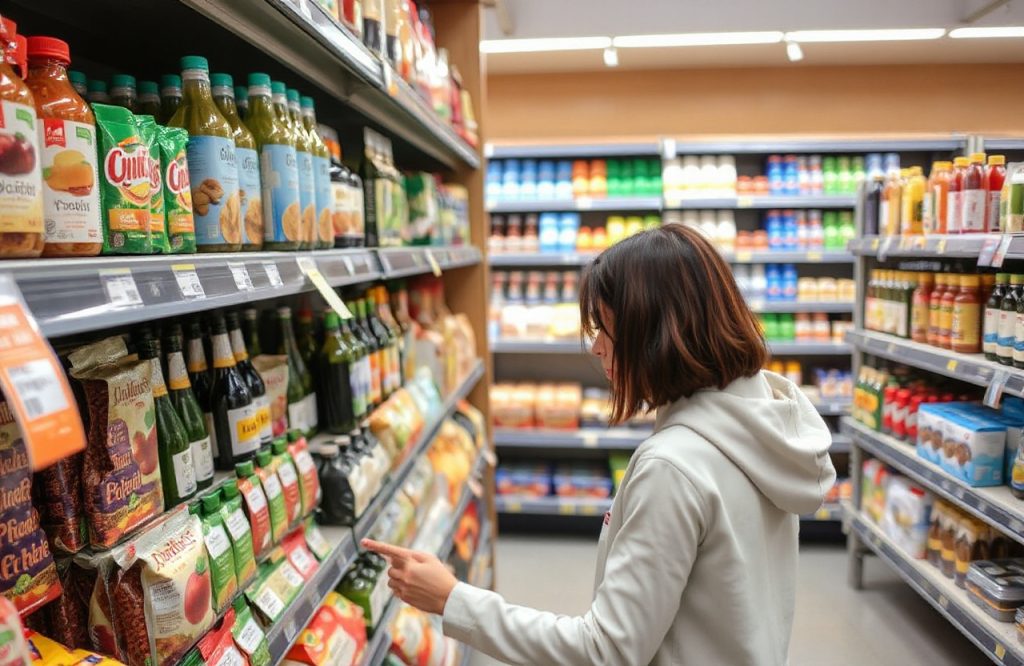
Impact of Shelf Nutrition Labels on Grocery Purchases
Introduction to Food Labels
A study published in the American Journal of Clinical Nutrition examined whether shelf nutrition labels influence grocery purchases. Food labels empower consumers to make informed choices by providing critical information on package sides, including ingredients, allergens, and nutrition facts. Nutrition facts play a vital role in guiding consumers toward healthy options at the point of sale. Despite the widespread availability of nutrition labels, obesity and related chronic illnesses remain significant issues in many countries, with the intake of unhealthy foods potentially contributing to these health concerns.
Recommendations for Improved Food Labeling
In 2011, the Institute of Medicine’s Committee on Examination of Front-of-Package Nutrition Rating Systems and Symbols recommended the development of clearer food labels for the front of packages or shelf tags. These labels should rank the healthfulness of products, which refers to how well a product contributes to overall health.
NuVal Shelf Nutrition Labels
Overview of NuVal
NuVal is a shelf nutrition label developed by Nuval, LLC, which scores food items on a scale from 1 (worst) to 100 (best). This scoring is based on over 30 micro- and macronutrient properties. The initial version, NuVal 1.0, showed a strong correlation with the Healthy Eating Index 2005 and indicated a lower risk of chronic diseases and all-cause mortality. This suggests that consumers could improve their health by choosing higher-scoring products.
Transition to NuVal 2.0
In 2014, NuVal updated its scoring algorithm to align with the latest U.S. Dietary Guidelines, resulting in NuVal 2.0. This revision allowed for better differentiation among food products compared to NuVal 1.0, leading to adjustments in scores for various items. Researchers studied the effects of this transition on consumer purchases at a supermarket chain, focusing on yogurt products, which displayed notable score changes post-update.
Research Findings
Survey Methodology
The research included market data from 665 adults in June 2016, who were part of an online panel shopping at two U.S. supermarket chains using the NuVal system. The survey aimed to gauge awareness of NuVal scores and their impact on purchasing behavior.
Consumer Awareness and Behavior
The survey results indicated that 44% of participants noticed NuVal scores in stores, with 32% understanding that these scores relate to nutritional value, where higher scores denote healthier options. Approximately 15% reported that NuVal scores influenced their food purchases, particularly regarding milk, yogurt, and dairy products. Additionally, 80.6% of respondents acknowledged relying on other nutritional information beyond NuVal when making shopping decisions.
Effect on Yogurt Sales
Analysis revealed that lower NuVal scores corresponded with decreased yogurt sales, with an average weekly sale of about 355 units during the NuVal 1.0 phase dropping to 302 units during NuVal 2.0. While this decline likely reflects the influence of NuVal scores, the authors note that other unrelated factors may have contributed.
Limitations of the Study
The study faced limitations, including its focus on a single food category. Although yogurt sales decreased, there might have been increased sales of other less healthy products. Additionally, the inability to control for price changes and shifts in consumer demand for non-yogurt items during the transition to NuVal 2.0 poses challenges. The survey was limited to a convenience sample of regular shoppers from two grocery chains, and the data collection periods were not aligned.
Conclusions and Future Directions
Implications of the NuVal Scoring System
The findings from this study reinforce previous conclusions that front-of-package and shelf labeling using scoring systems like NuVal can positively affect consumer purchasing behaviors and potentially improve health outcomes.
Customization of Labels
There is potential for customizing labels for specific consumer groups. For example, individuals with high blood pressure could benefit from adjusted scores highlighting products with healthier sodium levels, facilitating better choices for their health conditions. Furthermore, these labels might enhance the virtual shopping experience and could be efficiently integrated into online platforms.
Reference
Finkelstein, E., Li, W., Melo, G., Strombotne, K., and Zhen, C. (2018). Identifying the effect of shelf nutritional labels on consumer purchases: results of a natural experiment and consumer survey. American Journal of Clinical Nutrition 107: 647-651.