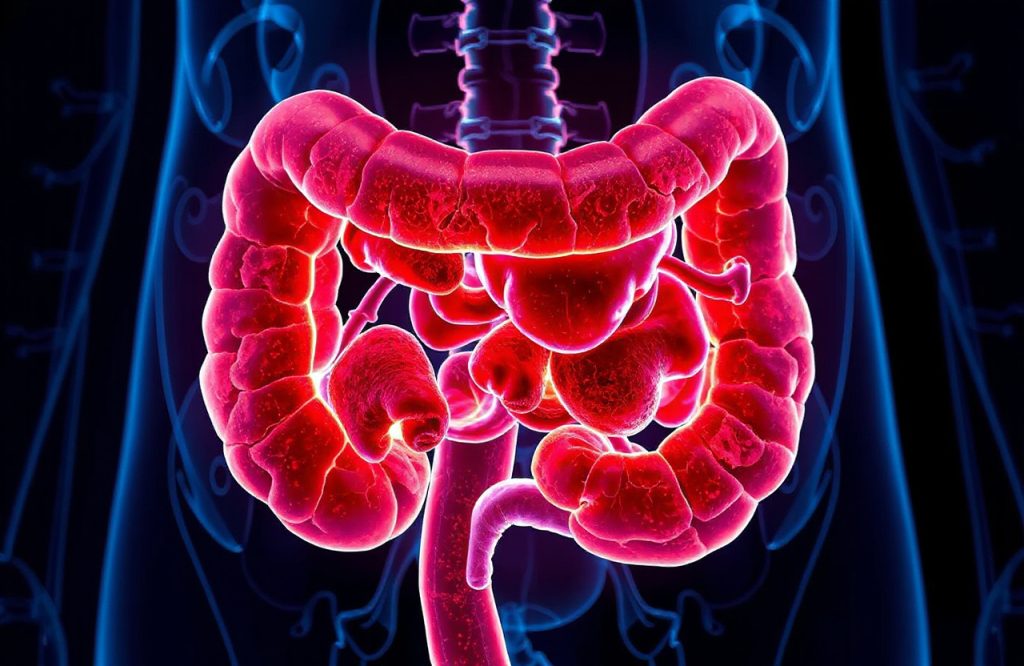
Healthy Aging and the Gut Microbiome
Importance of Healthy Aging Research
Healthy aging is a crucial area of research that examines the physiological changes and factors associated with aging well. One significant focus is the relationship between the gut microbiome and the aging process. As global populations age, it is estimated that there will be 1.6 billion individuals aged 65 and older by 2050. This demographic shift may lead to a higher prevalence of chronic diseases, placing increased demands on healthcare systems.
Understanding the Gut Microbiome
The gut microbiome encompasses all microorganisms and their genetic material present in the human gut. Specifically, “microbiota” refers to the various types of microorganisms found in a particular environment, while “microbiome” denotes the collective genome of these microorganisms. The gut microbiota consists of approximately 10 to 100 trillion microbial cells, primarily bacteria, along with smaller amounts of archaea, viruses, and eukaryotic microbes.
The gut microbiota plays a vital role in numerous physiological functions, influencing human health and disease. It aids in digestion, interacts with the immune system, and serves as a barrier against pathogens. The relationship between humans and their gut microbiota is symbiotic; for instance, certain food components that are indigestible by humans can be processed by the gut microbiota.
Development of the Gut Microbiota
The formation of the gut microbiota begins at birth. Infants delivered vaginally tend to acquire microbiota similar to those found in their mother’s vagina, while C-section deliveries result in microbiota more akin to that of human skin. Over the first year, the microbiota continues to develop, resembling that of an adult after a few years. Once established, the gut microbiota remains relatively stable until aging, when changes may occur.
Age-Related Changes in Gut Microbiota
Impact of Aging on Gut Microbiota
Aging leads to varying degrees of physiological decline. While healthy aging still involves some deterioration, a healthy lifestyle can delay or prevent chronic diseases. Research indicates that individuals of all ages benefit from a diverse and balanced gut microbiota to optimize physical and mental well-being.
Studies have shown that the composition of gut microbiota shifts as people age. For instance, levels of gram-negative bacteria tend to increase, which can trigger inflammation. Overall, the diversity of gut microbiota decreases with age, suggesting an unhealthy gut microbiome.
Influence of the Immune System
One significant age-related change is immunosenescence, which results in reduced immune function and long-term low-grade systemic inflammation. Research indicates that immunosenescence may alter gut microbiota composition in older adults, potentially leading to chronic diseases such as inflammatory bowel syndrome (IBS), irritable bowel disease (IBD), type 1 and type 2 diabetes, and atherosclerosis.
Another immune-related factor is the decreased production of short-chain fatty acids (SCFAs) by the gut microbiota, which are crucial for maintaining gut health and have anti-inflammatory properties.
Dietary Factors Affecting Gut Microbiota
Diet plays a fundamental role in sustaining a healthy gut microbiota. Older adults often experience dietary changes that can adversely affect microbiota composition, such as lower fiber intake. Diets high in fat have also been linked to microbiota changes that may contribute to chronic diseases, including Alzheimer’s disease. Additionally, vitamin D deficiency can negatively impact the immune system and gut microbiota.
Effects of Antibiotics on Gut Microbiota
Antibiotics have been shown to disrupt gut microbiota. Broad-spectrum antibiotics can eliminate beneficial bacteria alongside harmful ones, potentially leading to reduced microbial diversity. While gut microbiota often returns to normal after antibiotic treatment, the impact on long-term health remains a concern.
Dysbiosis and Chronic Diseases
Understanding Dysbiosis
Dysbiosis refers to an imbalance in gut microbiota composition and diversity, often associated with various health conditions. This imbalance can correlate with diseases such as cardiovascular disease (CVD), IBD, obesity, and neurodegenerative disorders. Animal studies suggest that dysbiosis related to aging may disrupt the innate immune response and lead to gut dysplasia, which can foster unhealthy aging.
Chronic Diseases Linked to Aging
As previously noted, chronic diseases are commonly associated with aging, and changes in the gut microbiota may play a role in their development. For instance, age-related shifts in gut microbiota are associated with an increased risk of IBS, IBD, and CVD. The connection between gut microbiota changes and the onset of these diseases remains an area of ongoing research.
Alzheimer’s Disease and Gut Microbiota
Alzheimer’s disease, characterized by progressive memory loss and behavioral changes, is influenced by risk factors such as obesity, diabetes, and CVD—all of which are affected by gut microbiota. Both human and animal studies indicate that alterations in gut microbiota may influence brain function and contribute to Alzheimer’s disease, necessitating further research into this relationship.
Strategies for Maintaining a Healthy Gut Microbiota
Dietary Recommendations
A diet rich in nutrients and fiber can help maintain a healthy gut microbiota, potentially reducing the risk of chronic diseases linked to aging. Fiber not only promotes gut health but may also alleviate inflammation and enhance cognitive and motor functions in older adults.
Incorporating prebiotics—fermented ingredients or non-digestible food components—can support the growth of beneficial bacteria, while probiotics, which are live microbial supplements, may help restore microbiota balance.
It is essential to consult with a healthcare provider before starting any supplements or dietary changes to ensure they are appropriate for individual health needs.