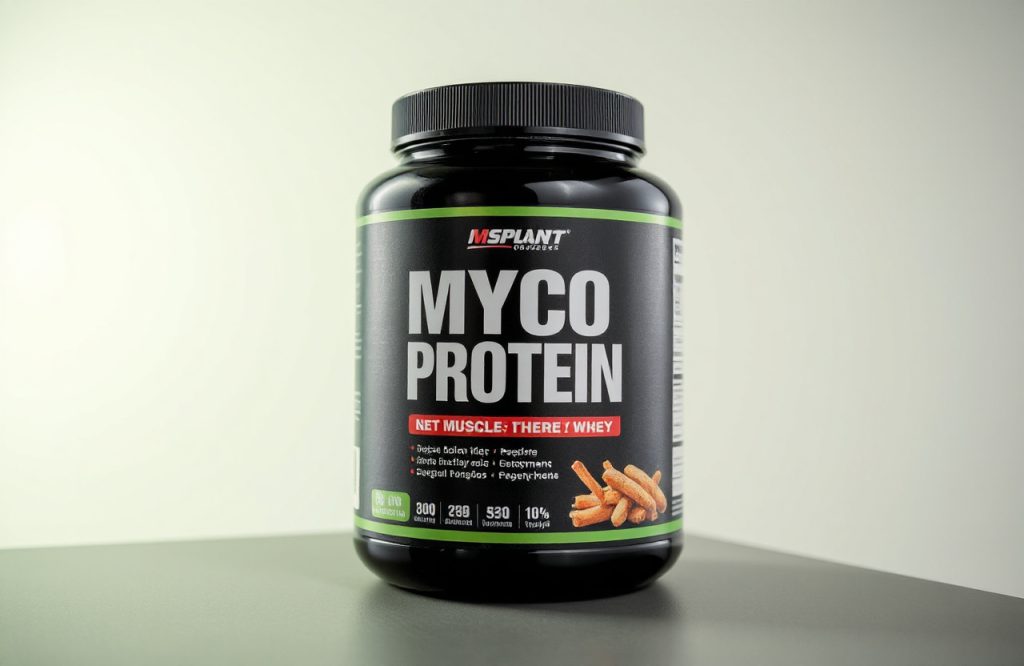
Impact of Mycoprotein on Protein Synthesis in Skeletal Muscle
Role of Amino Acids in Muscle Growth
Protein synthesis rates in both rested and exercised skeletal muscle are enhanced by the consumption of mycoprotein compared to milk protein. Proteins are composed of amino acids, essential for muscle tissue hypertrophy and repair. An increase in amino acids in the bloodstream generally elevates the rate of muscle growth. Therefore, it is crucial to adhere to dietary protein intake recommendations, especially in exercise training contexts, to promote muscle tissue remodeling.
Importance of Post-Workout Protein
Post-workout protein intake is vital for increasing plasma essential amino acid (EAA) concentrations, particularly leucine, which helps create a positive protein balance. Milk protein is recognized as an effective post-workout fuel for muscle building due to its high leucine content and transient absorption by the body. Alternatively, mycoprotein serves as a potential non-animal dietary protein source, derived from the sustainable fungus Fusarium venenatum.
Study Overview
A recent study published in The American Journal of Clinical Nutrition by researchers at the University of Exeter, UK, investigated protein synthesis rates in both rested and exercised muscle among healthy young men after consuming leucine-matched mycoprotein and milk protein. The study involved twenty healthy young males participating in a randomized controlled trial that included unilateral resistance-type exercise. Blood samples and muscle biopsies were taken at both rested and exercised stages. Participants were divided into two groups, consuming either milk protein or mycoprotein beverages post-exercise, both containing equal amounts of leucine. After a four-hour rest period, fractional protein synthesis rates (FSRs) were measured.
Findings of the Study
The findings revealed that mixed muscle FSRs were significantly improved following mycoprotein ingestion compared to milk protein in both rested and exercised muscle. Specifically, milk protein consumption increased mixed muscle FSRs from 0.040 to 0.060 in the rested state and from 0.050 to 0.058 in the exercised state. In contrast, mycoprotein boosted FSRs from 0.031 to 0.070 in rested muscle and from 0.028 to 0.082 in exercised muscle. While milk protein led to quicker and higher rises in plasma amino acid concentrations compared to mycoprotein, the muscle protein synthesis rates were ultimately more stimulated in response to mycoprotein.
Conclusion
The study concludes that mycoprotein stimulates a more potent muscle protein synthetic response in both resting and exercised muscle compared to milk protein among resistance-trained young men. These results highlight mycoprotein’s potential as a sustainable alternative to animal protein sources for enhancing muscle growth through resistance training.
References
1. Monteyne, A.J., et al. (2020). Mycoprotein ingestion stimulates protein synthesis rates to a greater extent than milk protein in rested and exercised skeletal muscle of healthy young men: a randomized controlled trial. The American Journal of Clinical Nutrition.
2. Finnigan, T.J., et al. (2019). Mycoprotein: The future of nutritious nonmeat protein, a symposium review. Current Developments in Nutrition, 3(6).
Image Credit
Image by Peggy und Marco Lachmann-Anke from Pixabay.