Therapies to Enhance Neurogenesis for Neurodegenerative Disorders
Understanding Neurogenesis
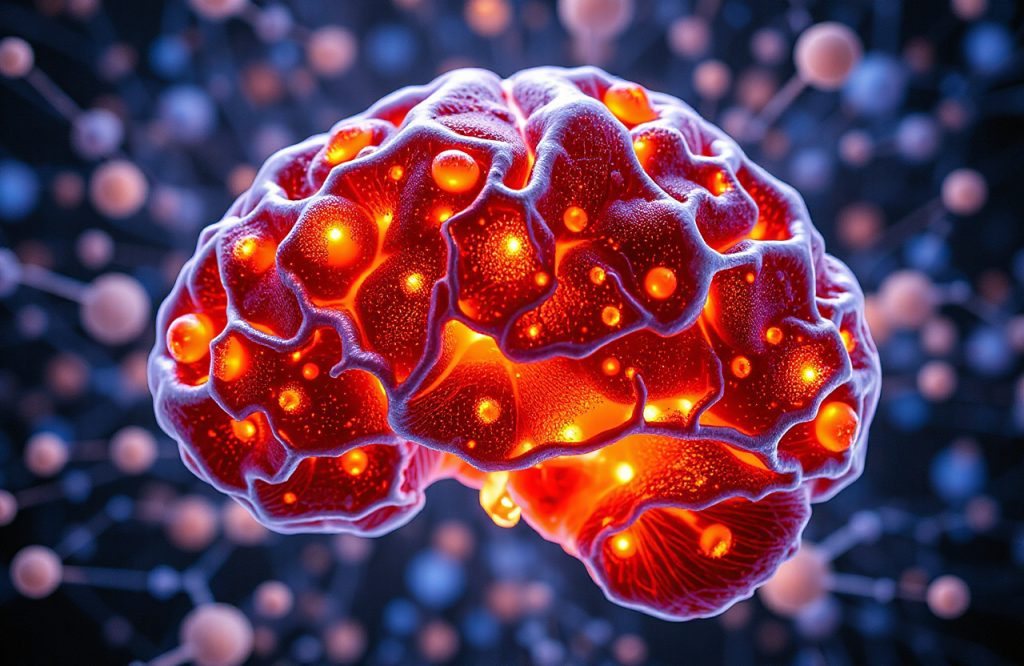
Neurogenesis refers to the process of generating new neurons in the brain. This phenomenon may eventually pave the way for innovative treatments for neurodegenerative disorders such as Alzheimer’s and Parkinson’s disease. A recent scientific report highlighted the latest developments in neurogenesis research, emphasizing its significance for cognitive functions like memory and complex behaviors, which rely on a complex network of billions of neurons.
Impact of Neuron Loss
Neurons can be lost due to aging, brain injuries, or harmful genetic mutations, leading to severe neurodegenerative diseases. Although scientists have discovered that the adult brain continuously produces small numbers of new neurons, this process typically does not keep pace with neuron loss associated with neurodegenerative diseases. Recent studies, however, suggest that future therapies may enhance neurogenesis to combat these debilitating conditions.
The Origin and Function of New Neurons
Neural Stem Cells
All new neurons in the adult brain originate from neural stem cells, which have the potential to develop into neurons and other cell types. The rate of neurogenesis is influenced by how quickly these neural stem cells can mature into neurons and how effectively they can replenish themselves.
Research Findings
Laboratory studies involving the injection of additional neural stem cells into the brains of mouse or rat models for Alzheimer’s and Parkinson’s showed promising results, including increased neurogenesis and reduced disease severity. Interestingly, the benefits were not solely due to the injected stem cells transforming into new neurons; instead, they appeared to stimulate existing neural stem cells in the brain. Moreover, the injection of other types of stem cells also enhanced neurogenesis. Currently, seven clinical trials are evaluating the effects of mesenchymal stem cells—more accessible than neural stem cells—administered intravenously to Alzheimer’s patients, which is considered a safer option.
Biological Factors Influencing Neurogenesis
Hormonal Influences
Hormones play a crucial role in regulating various bodily functions, including neurogenesis. Sex hormones like estrogen and testosterone, along with appetite-regulating hormones such as leptin, have been shown to promote the generation of new neurons. Conversely, stress hormones such as cortisol can inhibit neurogenesis.
Role of Neurotransmitters
Neurotransmitters are essential for neuron communication. In studies conducted on rodents, serotonin and dopamine have been linked to increased neurogenesis. A recent clinical trial employing gene therapy to elevate dopamine levels in Parkinson’s patients successfully reduced disease severity, although it involved direct brain injections that carried significant risks.
Cytokines and Inflammation
Cytokines, signaling proteins released during infection or brain injury, can influence neurogenesis. Pro-inflammatory cytokines are known to slow down neurogenesis, while anti-inflammatory cytokines promote it.
Effects of Anti-inflammatory Drugs
Anti-inflammatory medications have been found to enhance neurogenesis and spatial learning in adult mice and restore normal neurogenesis rates in rodents suffering from brain inflammation. A clinical study indicated that long-term use of anti-inflammatory drugs, such as ibuprofen, may reduce the risk of developing Alzheimer’s disease in the elderly, although further research is needed to confirm these findings and assess potential side effects.
Neurotrophic Growth Factors
Neurotrophic growth factors stimulate neuron growth and are found at lower levels in the brains of Alzheimer’s and Parkinson’s patients. Despite their potential, these large molecules struggle to cross the blood-brain barrier. Direct injections into the brain have shown promise in animal models, enhancing neurogenesis and cognitive function, though some patients experienced side effects like pain and decreased appetite.
Behavioral Changes and Neurogenesis
Exercise and Neurogenesis
Exercise is widely recognized for its health benefits and has been shown to increase neurogenesis. Studies indicate that physical activity enhances memory and learning in mice, while a clinical study involving healthy adolescents demonstrated that high-intensity exercise boosted neurotrophic growth factors and memory performance.
Dietary Influences
Diet also plays a significant role in neurogenesis. Research shows that diets high in saturated fats and sugars can decrease neurogenesis and impair cognitive function, while diets rich in polyunsaturated fatty acids (PUFAs) or polyphenols like resveratrol and curcumin can enhance neurogenesis and cognitive abilities. Furthermore, caloric restriction has been associated with increased neurogenesis and improved memory.
Conclusion: The Potential of Natural Methods
Neurogenesis rates decline in the early stages of Alzheimer’s and Parkinson’s diseases, as well as in other aging-related dementias. This observation suggests that therapies aimed at promoting neurogenesis may be beneficial for treating these disorders. While many studies highlight the potential of hormones, neurotransmitters, and other naturally occurring substances to stimulate neurogenesis, further clinical studies are necessary to establish their efficacy and safety in humans. Meanwhile, maintaining a healthy diet and regular exercise may offer a natural approach to stimulate neurogenesis.
Written by Bryan Hughes, PhD
Reference: Shohayeb, B., Diab, M., Ahmed, M. & Ng, D. C. H. Factors that influence adult neurogenesis as potential therapy. Translational Neurodegeneration 7, 4 (2018).