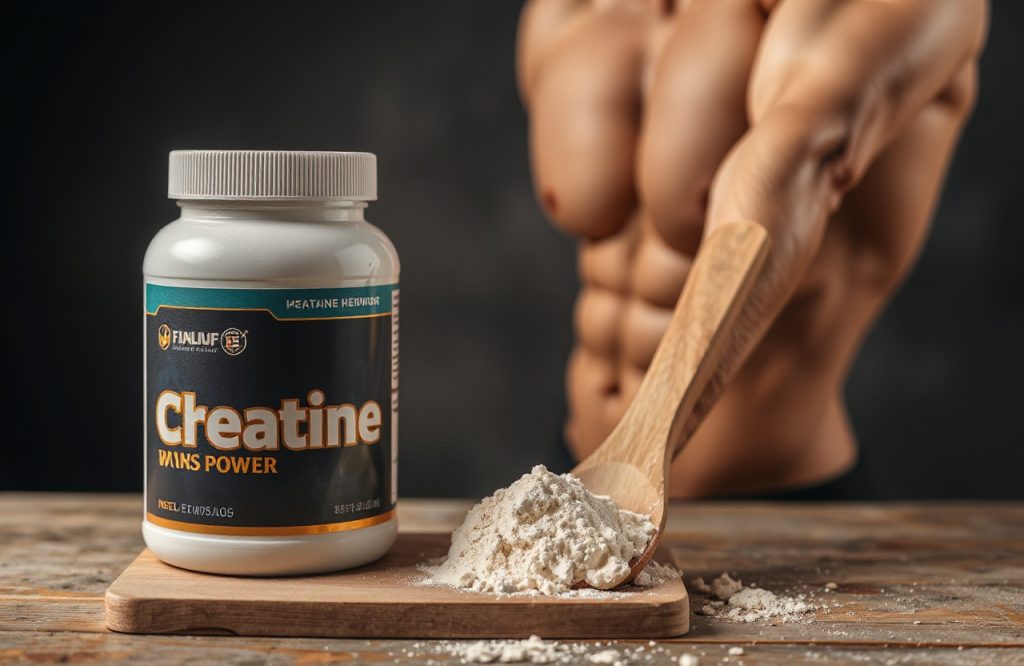
Understanding Creatine Supplements
The Rise of Protein Supplements
Protein supplements have gained immense popularity among fitness enthusiasts. Today, it is common to see gym-goers using these supplements regularly. However, the introduction of creatine marked a pivotal moment in the fitness supplement industry, as it provided an alternative to traditional protein sources.
What is Creatine?
Creatine is an organic amino acid that plays a crucial role in energy supply to muscle cells. Naturally produced in the body, it is also found in dietary sources such as red meat and seafood, including fish and shrimp. As a natural energy source, creatine has become a staple for athletes seeking to enhance their performance.
Benefits of Creatine Supplements
1. Increases Body Mass
Creatine is well-known for its ability to enhance muscle mass. It activates various pathways that promote muscle growth. Research indicates that creatine supplementation effectively increases body mass, making it a popular choice for those aiming to bulk up. Furthermore, studies suggest that creatine may help delay muscle wasting in older adults, improving their functional capacity.
2. Speeds Up Muscle Growth
Muscle growth cannot be achieved through exercise alone; proper nutrition is essential to recruit muscle fibers effectively. Combining creatine supplements with resistance training can lead to significant muscle growth, benefiting individuals at all fitness levels. Creatine also enhances performance during high-intensity workouts, boosting endurance, power, and strength.
3. Generates Sufficient ATP
Phosphocreatine, a compound that aids in ATP production, is enhanced by creatine supplementation. ATP is vital for energy regulation in the body. As ATP levels decrease during exercise, taking creatine supplements before or during workouts can help maintain performance without interruptions.
4. Speeds Up Post-Workout Recovery
Intense workouts can cause muscle soreness and fatigue. Creatine supplementation can alleviate these effects by promoting faster recovery. A study involving participants who supplemented with creatine showed quicker recovery times, highlighting its effectiveness as a post-workout aid.
5. Improves Bone Health
For athletes, maintaining bone health is crucial, especially during rigorous training. Creatine supplementation has been shown to improve bone health and physical strength. In women with post-menopausal knee osteoarthritis, creatine combined with resistance training can significantly enhance lean mass.
6. May Treat Parkinson’s Disease
Parkinson’s disease is characterized by a significant reduction in dopamine, a critical neurotransmitter. Creatine may help alleviate symptoms associated with this condition. Regular exercise coupled with creatine supplementation can effectively combat muscle loss in patients with Parkinson’s disease.
7. May Help Fight Neurological Diseases
Creatine serves as a precursor for phosphocreatine, which is essential for brain function. Reduced phosphocreatine levels can lead to various neurological issues, including epilepsy and Alzheimer’s disease. Creatine supplementation can help maintain phosphocreatine levels, supporting normal brain function and potentially preventing ischemic damage.
8. May Help Treat Depression Symptoms
Creatine has shown promise in alleviating depressive symptoms. A study involving 52 women with depression indicated that a daily dose of 5g of creatine led to noticeable improvements in just two weeks. As a result, creatine supplementation is increasingly recognized as a beneficial therapeutic approach for depression.
9. Boosts Cognitive Ability
Creatine plays a vital role in cognitive function by supplying energy to the brain. It may enhance memory and intelligence, potentially serving as a treatment option for dementia. Participants in cognitive tests have reported improved performance after creatine supplementation, with a safe daily dose of 5g recommended.
10. Improves Heart Health
Low levels of creatine and phosphocreatine can impair heart muscle contractions, increasing the risk of heart failure. Maintaining optimal levels of these compounds is crucial for heart health. Creatine supplementation can effectively support heart muscle function.
11. Regulates Blood Sugar
Creatine has been linked to lower blood sugar levels and improved insulin sensitivity. While its effects on diabetic patients remain unclear, creatine can help manage glycogen and insulin levels when combined with exercise. This regulation can be beneficial for those with diabetes.
12. Fights Fatigue
Fatigue is a common challenge for athletes, but creatine supplementation can mitigate this issue. Research indicates that creatine reduces blood lactate levels, enhancing overall performance and contributing to increased ATP production, which combats fatigue.
Where to Get Quality Creatine Powder
Incorporating creatine into your diet can significantly enhance athletic performance and overall health. DMOOSE creatine powder offers a 5g serving of creatine monohydrate, promoting optimal health and performance. This supplement aids in post-workout recovery, muscle gain, and increased energy levels, helping you combat fatigue effectively.
Final Thoughts
Creatine is a powerful supplement that not only enhances athletic performance but also supports overall health. It plays a significant role in increasing body mass, generating muscle growth, and protecting against various neurological issues. For optimal results, it is recommended to pair creatine supplements with a structured exercise regimen.
References
Butts, Jessica, et al. “Creatine Use in Sports.” Sports Health, vol. 10, no. 1, Oct. 2017, pp. 31–34. PubMed Central, https://doi.org/10.1177/1941738117737248.
Branch, J. David. “Effect of Creatine Supplementation on Body Composition and Performance: A Meta-Analysis.” International Journal of Sport Nutrition and Exercise Metabolism, vol. 13, no. 2, June 2003, pp. 198–226. PubMed, https://doi.org/10.1123/ijsnem.13.2.198.
Moon, Anna, et al. “Creatine Supplementation: Can It Improve Quality of Life in the Elderly without Associated Resistance Training?” Current Aging Science, vol. 6, no. 3, Dec. 2013, pp. 251–57. PubMed, https://doi.org/10.2174/1874609806666131204153102.
Chrusch, M. J., et al. “Creatine Supplementation Combined with Resistance Training in Older Men.” Medicine and Science in Sports and Exercise, vol. 33, no. 12, Dec. 2001, pp. 2111–17. PubMed, https://doi.org/10.1097/00005768-200112000-00021.
Dunn, Jacob, and Michael H. Grider. “Physiology, Adenosine Triphosphate.” StatPearls, StatPearls Publishing, 2022. PubMed, http://www.ncbi.nlm.nih.gov/books/NBK553175/.
Cooke, Matthew B., et al. “Creatine Supplementation Enhances Muscle Force Recovery after Eccentrically-Induced Muscle Damage in Healthy Individuals.” Journal of the International Society of Sports Nutrition, vol. 6, no. 1, June 2009, p. 13. BioMed Central, https://doi.org/10.1186/1550-2783-6-13.
Neves, Manoel, et al. “Beneficial Effect of Creatine Supplementation in Knee Osteoarthritis.” Medicine and Science in Sports and Exercise, vol. 43, no. 8, Aug. 2011, pp. 1538–43. PubMed, https://doi.org/10.1249/MSS.0b013e3182118592.
Hass, Chris J., et al. “Resistance Training with Creatine Monohydrate Improves Upper-Body Strength in Patients with Parkinson Disease: A Randomized Trial.” Neurorehabilitation and Neural Repair, vol. 21, no. 2, Apr. 2007, pp. 107–15. PubMed, https://doi.org/10.1177/1545968306293449.
Balestrino, M., et al. “Role of Creatine and Phosphocreatine in Neuronal Protection from Anoxic and Ischemic Damage.” Amino Acids, vol. 23, no. 1–3, 2002, pp. 221–29. PubMed, https://doi.org/10.1007/s00726-001-0133-3.
Lyoo, In Kyoon, et al. “A Randomized, Double-Blind Placebo-Controlled Trial of Oral Creatine Monohydrate Augmentation for Enhanced Response to a Selective Serotonin Reuptake Inhibitor in Women with Major Depressive Disorder.” The American Journal of Psychiatry, vol. 169, no. 9, Sept. 2012, pp. 937–45. PubMed, https://doi.org/10.1176/appi.ajp.2012.12010009.
Avgerinos, Konstantinos I., et al. “Effects of Creatine Supplementation on Cognitive Function of Healthy Individuals: A Systematic Review of Randomized Controlled Trials.” Experimental Gerontology, vol. 108, July 2018, pp. 166–73. PubMed Central, https://doi.org/10.1016/j.exger.2018.04.013.
Balestrino, Maurizio. “Role of Creatine in the Heart: Health and Disease.” Nutrients, vol. 13, no. 4, Apr. 2021, p. 1215. PubMed Central, https://doi.org/10.3390/nu13041215.
Solis, Marina Yazigi, et al. “Potential of Creatine in Glucose Management and Diabetes.” Nutrients, vol. 13, no. 2, Feb. 2021, p. 570. www.mdpi.com, https://doi.org/10.3390/nu13020570.
Dabidi Roshan, V., et al. “The Effect of Creatine Supplementation on Muscle Fatigue and Physiological Indices Following Intermittent Swimming Bouts.” The Journal of Sports Medicine and Physical Fitness, vol. 53, no. 3, June 2013, pp. 232–39.