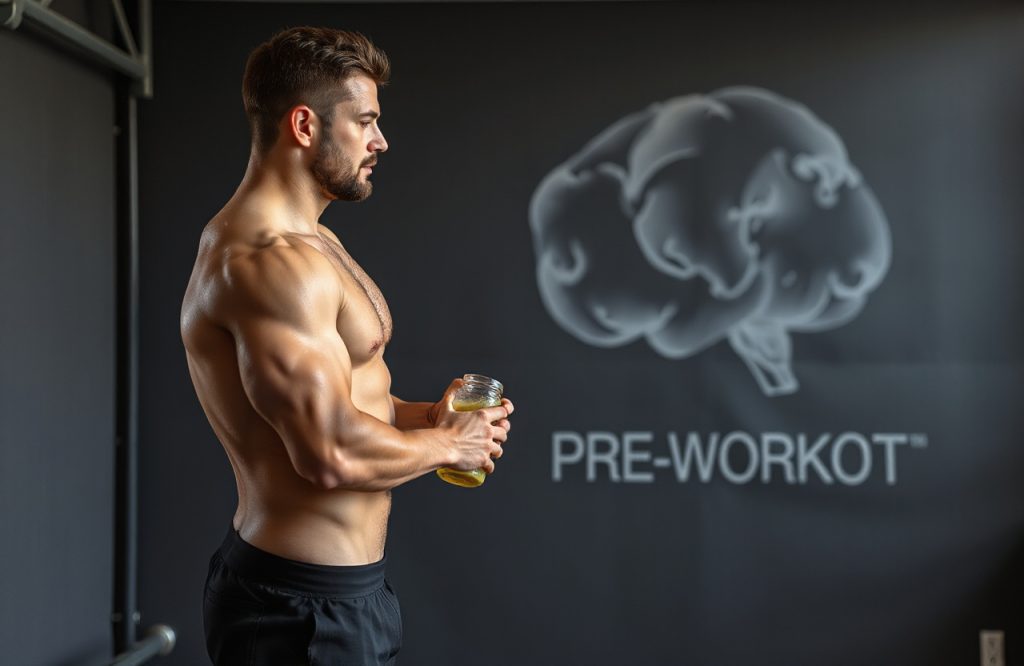
Study on Pre-Workout Supplements: Caffeinated vs. Non-Caffeinated
Overview of the Dietary Supplement Market
A recent American study explored the effectiveness of both caffeinated and non-caffeinated pre-workout supplements. The dietary supplement market is a significant sector, contributing over $121 billion to the U.S. economy in 2016. Pre-workout supplements are a popular category within this industry, designed to enhance energy levels and minimize fatigue to boost exercise performance.
Research Methodology
In a study published in the Journal of the International Society of Sports Nutrition, researchers from Texas Tech University aimed to verify the claims made by pre-workout supplement manufacturers. The study included 21 participants who underwent three identical squat machine workout sessions, with a recovery period of five to seven days between each session.
The researchers tested two commercial pre-workout products: Carbon Prep (a non-caffeinated option) and Jym® Pre-Jym (a caffeinated option). Prior to each exercise session, participants ingested either one of the supplements or a placebo that mimicked the taste of the actual supplements.
The experiment was randomized in two ways. Firstly, every participant engaged in an exercise session using each of the supplements and the placebo by the conclusion of the study. Secondly, there were six potential sequences for consuming the two supplements and placebo, with an equal number of participants assigned to each order.
Findings: Effectiveness of Supplements
The results indicated that neither pre-workout supplement significantly surpassed the placebo in terms of performance enhancement. There was a marginal performance improvement observed among male participants; however, this gain was not statistically significant. Interestingly, many participants reported enhanced performance after consuming the placebo, suggesting a potential placebo effect. This highlights the psychological factors that may influence the perceived effectiveness of these supplements, especially considering that participants were unaware that one of the supplements was a placebo.
Study Limitations and Implications
The authors acknowledged several limitations in their study. Due to the presence of multiple ingredients in the supplements, it was impossible to pinpoint which specific ingredient contributed to the observed effects. Furthermore, the interactions between different ingredients may have influenced the results rather than the individual components themselves.
The study suggests that pre-workout supplements might provide a slight improvement in exercise performance, particularly for male participants. However, the impact of individual ingredients and psychological factors on the effectiveness of these supplements remains uncertain. Consequently, the current understanding of whether pre-workout supplements genuinely enhance exercise performance is still ambiguous.
Author and Reference
Written by Raymond Quan, MASc, MBA.
Reference: Tinsley, G.M., Hamm, M.A., Hurtado, A.K., Cross, A.G., Pineda, J.G., Martin, A.Y., Uribe, V.A., Palmer, T.B., “Effects of two pre-workout supplements on concentric and eccentric force production during lower body resistance exercise in males and females: a counterbalanced, double-blind, placebo-controlled trial,” Journal of the International Society of Sports Nutrition (November 28, 2017) 14:46.