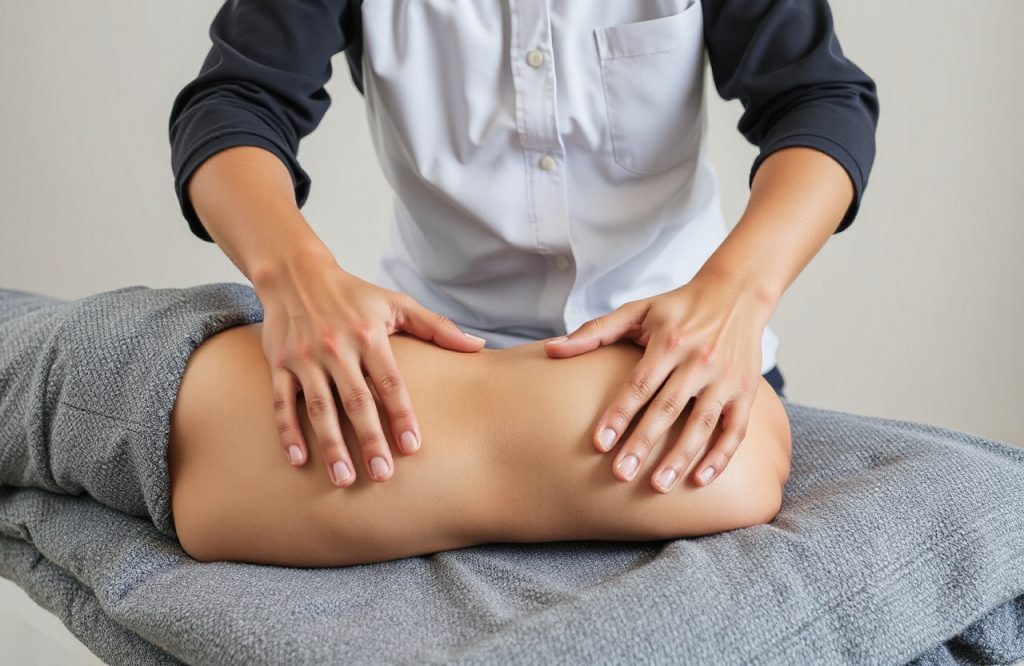
Impact of Short Massage Techniques on Relaxation
Understanding Stress Responses
Researchers have explored the physiological and psychological changes in the body to determine whether brief, simple massage techniques can enhance relaxation. The body’s reactions to stress—such as increased heart rate, elevated blood pressure, and heightened brain alertness—are crucial for preparing for action. However, when these stress responses become chronic, they can negatively affect health.
The parasympathetic nervous system (PNS) serves as the body’s inherent “relaxation system,” counterbalancing stress responses. By slowing the heart rate, lowering blood pressure, and inducing other relaxation effects, the PNS plays a vital role in restoring balance and promoting both physical and psychological relaxation during stressful times.
Research Methodology
Despite the importance of relaxation techniques, there are few standardized methods to scientifically evaluate their effectiveness. To address this gap, researchers at the University of Konstanz in Germany developed a standardized assessment method to investigate the impact of two simple massage techniques on the PNS. Their findings were recently published in *Scientific Reports*.
The study involved 60 healthy female volunteers, who were randomly assigned to one of three groups:
1. A 10-minute moderate-pressure head-and-neck massage aimed at actively stimulating the vagus nerve, a key component of the PNS.
2. A 10-minute soft touch neck-and-shoulder massage, focusing on gentle stroking movements to assess the relaxing effects of touch.
3. A 10-minute rest-only control group, where participants rested their heads on a massage table.
Physical relaxation was monitored through heart-rate variability (HRV), which indicates PNS activation; a higher HRV denotes greater relaxation. Psychological relaxation was evaluated using a questionnaire that asked participants to rate their mood and stress levels before and after the massage or rest sessions.
Findings on Relaxation Techniques
The results revealed significant increases in both physical and psychological relaxation across all three groups, including the control group. Participants reported feeling more relaxed and less stressed post-intervention. While HRV improved in all groups, the enhancements were notably greater in the two massage groups compared to the control group. Both massage techniques—moderate pressure and soft touch—yielded similar increases in HRV.
Implications of the Study
The researchers were pleased to find that even brief sessions of simple massage or rest could produce measurable effects on the PNS, leading to physical and psychological relaxation. “You don’t need a professional treatment in order to relax. Having somebody gently stroke your shoulders, or even just resting your head on the table for ten minutes, is an effective way to boost your body’s physiological engine of relaxation,” stated Maria Meier, the study’s lead author.
This study has established a standardized approach for testing relaxation therapies, which could be applied to evaluate other methods such as breathing exercises or meditation. While further investigation is necessary to solidify these initial findings, this approach holds promise for identifying effective strategies for preventing stress and assisting individuals with stress-related illnesses.
References
1. Meier M, Unternaehrer E, Dimitroff SJ, et al. Standardized massage interventions as protocols for the induction of psychophysiological relaxation in the laboratory: a block randomized, controlled trial. *Scientific Reports* 10, 14774 (2020). https://doi.org/10.1038/s41598-020-71173-w
2. University of Konstanz, Press release 18 Sept 2020. Ten minutes of massage or rest will help your body fight stress. https://www.eurekalert.org/pub_releases/2020-09/uok-tmo091120.php