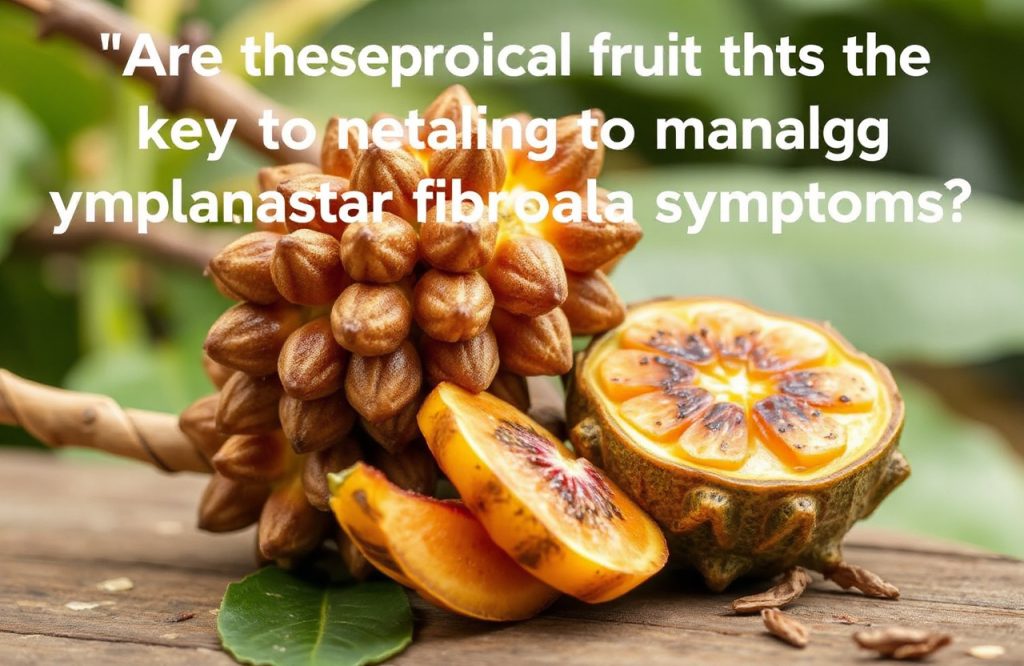
Research on Tropical Fruits and Their Medicinal Benefits
Background of the Study
A research team in Spain has compiled decades of data from various studies to explore the health benefits of tropical fruits, particularly those used in traditional medicine. Fruits like soursop and custard apple, which belong to the Annona family (Annonaceae), have been utilized in traditional practices across the tropical Americas to address a wide range of health issues.
Tropical Fruits and Fibromyalgia
Recent findings emphasize the traditional applications of these fruits, especially in treating symptoms related to fibromyalgia. This debilitating condition affects an estimated 6% of the global population, characterized by chronic pain and a limited understanding of its causes. Current treatments primarily focus on pain management rather than providing a cure, highlighting the necessity for improved therapeutic options to enhance the quality of life for patients.
Soursop Leaf Extract as a Potential Treatment
A recent study has identified soursop leaf extract as a promising source of relief for individuals suffering from fibromyalgia symptoms. Ana María Quilez, the lead author from the Medicinal Plants research group at the University of Seville, noted, “the consumption of [an] extract of [soursop] leaves in pharmaceutical form and in the correct dosage can reduce the chronic pain, anxiety and depression that accompany this disease.”
Study Findings on Annona Species
The research team examined extracts from the bark, flesh, leaves, and seeds of 27 Annona species to compare their therapeutic potential. Four species stood out for their pharmacological profiles: A. muricata (soursop), A. squamosa (custard apple), A. senegalensis, and A. cherimola. Some Annona fruits are also associated with anti-tumor benefits. Previous cancer-related studies have conducted thorough chemical characterizations of these crude extracts, which may prove essential for advancing the pharmacological study of these plants.
Implications for Future Research
This review serves as a valuable resource for future investigations into the properties and applications of Annona fruits, particularly regarding conditions such as fibromyalgia. Additionally, it underscores the relevance of these extracts in addressing other health issues, including cancer, diabetes, and anxiety.
Traditional Medicine and Modern Applications
The exploration of traditional medicines is not a novel concept. In the United States, for instance, 79% of approved prescription medications were initially derived from plants. A deeper understanding of the active compounds in Annona fruits could facilitate the integration of traditional and modern medicine, potentially offering relief to millions suffering from fibromyalgia.
Challenges in Clinical Application
Despite the promising findings, many studies included in this report utilized crude extracts, which limits the ability to draw definitive conclusions regarding individual chemical components and their specific properties. Furthermore, the potential side effects associated with high consumption levels, including atypical Parkinsonism and brain lesions, present another challenge for advancing these compounds to clinical trials.
Future Directions in Annona Research
The authors suggest that improved characterization of these crude extracts could mitigate adverse effects by identifying beneficial compounds. Several studies focused on the chemical analysis of these extracts have been incorporated into the report. This foundational work aims to pave the way for more precise studies on Annona fruit extracts, ultimately bringing them closer to clinical application.
Conclusion
The ongoing investigation into the medicinal properties of Annona fruits holds promise for enhancing treatment options for fibromyalgia and other conditions. As research progresses, it may lead to breakthroughs that bridge the gap between traditional practices and contemporary medical treatments.
References
A.M. Quílez, M.A. Fernández-Arche, M.D. García-Giménez, R. De la Puerta. “Potential therapeutic applications of the genus Annona: Local and traditional uses and pharmacology.” Journal of Ethnopharmacology 225 (2018) 244–270.
Ecological Society of America. “Ecosystem Services: Benefits Supplied to Human Societies by Natural Ecosystems.” Issues in Ecology 2. Washington, DC: Ecological Society of America (1997).