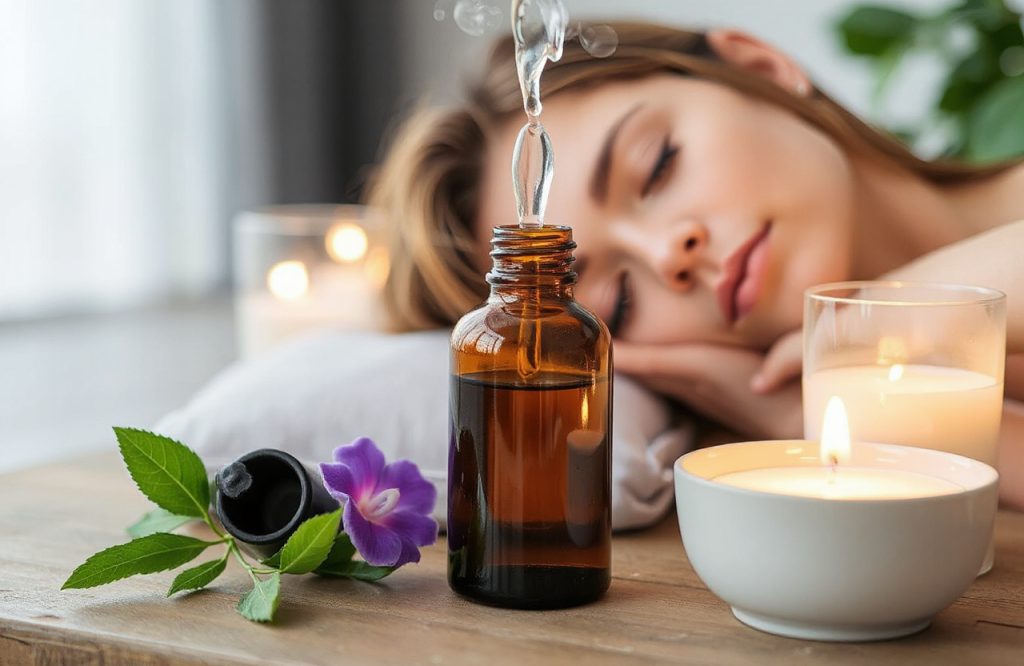
Aromatherapy for Sleep and Relaxation
Historical Context
Aromatherapy has been utilized for centuries to promote sleep and relaxation. Despite its long-standing tradition, many individuals today continue to experience high levels of stress and sleep deprivation.
Understanding Sleep Needs
Sleep requirements vary across different life stages. Infants generally need between 10 to 16 hours of sleep, while children and young adults require approximately 8 to 12 hours. Adults typically need around seven hours. However, most people do not achieve the recommended amount of sleep necessary for optimal health. Insufficient quality sleep is linked to numerous chronic health conditions, including type 2 diabetes, cardiovascular disease, obesity, and depression. Additionally, sleep deprivation can elevate the risk of motor vehicle accidents and workplace errors.
Common Causes of Poor Sleep
A variety of factors can contribute to difficulties in achieving quality sleep. Medical conditions such as insomnia, narcolepsy, restless legs syndrome, mental health disorders, hormonal imbalances, and sleep apnea are significant contributors. Lifestyle factors may also play a role and can often be modified. Seeking medical advice is essential for a proper diagnosis, but there are several studies supporting interventions for better sleep.
Aromatherapy
Definition and Purpose
Aromatherapy is defined as the use of essential oils to alleviate symptoms associated with discomfort and illness. It is important to note that this definition is evolving; aromatherapy is now recognized as a complementary therapy rather than an alternative to traditional medical treatments. Although there is growing interest in aromatherapy for managing stress and improving sleep quality, more scientific research is needed to substantiate these claims.
Essential Oils for Sleep Improvement
Lavender essential oil is one of the most researched essential oils related to relaxation and sleep support. Studies indicate that lavender possesses active compounds that can relax the nervous system and help alleviate stress-related symptoms often associated with poor sleep, such as anxiety, depression, muscle tension, irritability, and insomnia. Other essential oils that may enhance sleep quality include bergamot, chamomile, cedarwood, and clary sage.
Strategies for Better Sleep
Establishing a Sleep Hygiene Plan
Creating a comprehensive sleep hygiene plan, which includes the use of aromatherapy products, can significantly enhance sleep quality. A well-rounded sleep hygiene plan should address both the bedroom environment and daily routines that foster consistent, uninterrupted sleep. Key components to include are:
– **Set a Sleep Schedule:** Go to bed and wake up at the same times daily.
– **Create a Nightly Routine:** Maintain a consistent pre-sleep routine, avoiding electronics for 2-3 hours before bed. Dim the lights and unwind for at least thirty minutes prior to sleeping.
– **Adopt Healthy Daily Habits:** Engage in daily outdoor activities, exercise regularly, limit caffeine intake to the morning, refrain from smoking, and reduce alcohol consumption, particularly close to bedtime.
– **Optimize the Bedroom Environment:** Incorporate calming scents, such as lavender, into the bedroom setting.
Conclusion
Quality sleep is essential for overall health. By implementing a defined sleep hygiene plan and exploring the incorporation of essential oils into daily routines, individuals can work toward achieving their sleep goals. While occasional sleepless nights are inevitable, adhering to a structured sleep hygiene plan can help minimize these occurrences, ultimately benefiting personal health, relationships, and society at large.