Importance of Medical Billing Services in Revenue Cycle Management
Role of Medical Billing Services
Medical billing services in the United States are integral to the revenue cycle management (RCM) process. Utilizing advanced health IT tools and techniques, these services address daily challenges in healthcare. A 2018 study by Kaufman Hall, which surveyed CFOs from over 350 hospitals, revealed that physicians prioritize reducing the cost of care delivery as the healthcare system becomes increasingly price-competitive.
MIPS and Value-Based Healthcare
The Merit-based Incentive Payment System (MIPS) plays a vital role in value-based healthcare, benefiting both physicians financially and patients regarding their health. Quality remains the primary focus of this program, assessed across four performance categories. Optimizing RCM is essential for controlling care delivery costs, which is a primary focus for P3.
Transition to Electronic Health Records
Today’s healthcare providers no longer rely on paper records; instead, dedicated software solutions are available. As a billing company, we leverage Certified Electronic Health Records Technology (CEHRT) to ensure a stable cash flow for clinicians. Electronic Health Records (EHR) automate data management, eliminating the need to sift through physical files.
Key Reports in Revenue Cycle Management
High-Level KPI Report
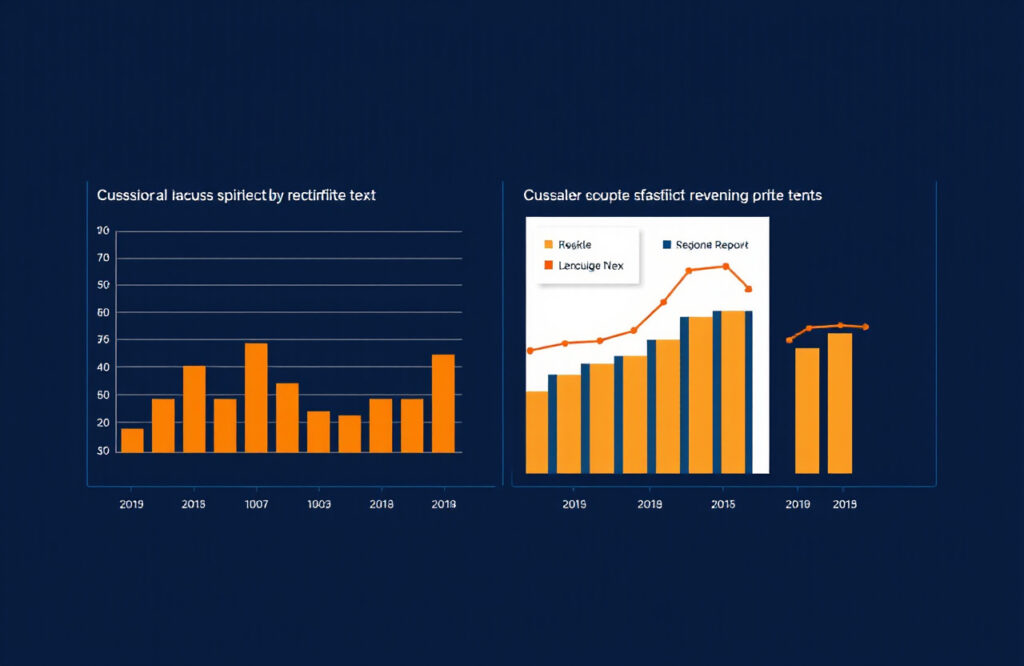
The High-Level KPI Report provides insights into Current Procedural Terminology (CPT) in medical coding, confirming that medical coders utilize the most common and profitable codes for claims. This report estimates several key parameters, including total encounters, total collected payments, accounts receivables, and the number of procedures. Analyzing these KPIs helps identify areas needing improvement. For example, if costs rise in a month, profits should ideally increase concurrently, while also monitoring accounts receivables (ARs).
Per-Encounter Reimbursement Report
The Per-Encounter Reimbursement Report allows for a comparison of reimbursement rates against competitors. The calculation is straightforward: total payment divided by the total number of encounters within a specific timeframe. Understanding the average reimbursement rate per patient enhances the consistency of the RCM process. This is particularly relevant for surgical procedures, where pre-service work encompasses evaluations, patient checks, and medication prescriptions.
Accounts Receivables (AR) Tracking Report
Efficient revenue cycle management relies heavily on tracking accounts receivables for physicians. Typically, medical billing agencies may overlook ARs exceeding 120 days. However, professional billers monitor specific claim periods—30 days, 60 days, etc.—to assess outstanding amounts from insurance companies. If payments surpass 120 days, billers investigate the causes of delays and collaborate to find solutions. An ideal AR rate is below 10%, while rates above 25% may necessitate significant changes or a billing audit.
Net Collection Ratio Report
The net collection rate provides a clear indication of the RCM system’s performance, revealing whether payments are collected in line with the resources utilized. Medical billing practices strive for a 95% revenue collection rate to remain competitive. A lower ratio indicates potential areas for RCM improvement. Understanding charge value, which reflects contractual adjustments to billed amounts, enables billers to assess total collected amounts and estimate profit.
Conclusion
Assessing a physician’s practice performance is contingent upon an effective billing system that focuses on continuous improvement. Inefficient billing has a direct negative impact on revenue. Thus, it is essential to engage skilled personnel in revenue cycle management to maintain profitability. P3 is dedicated to enhancing physicians’ revenue in an organized and efficient manner, recognizing the importance of such efforts. The statistical reports discussed in this article are vital for driving revenue generation from inception to completion.
For a complimentary RCM consultation, call 1-844-557-3227 today.
Importance of Effective RCM
As a clinician, what are your thoughts on the significance of having an effective revenue cycle management process in place?